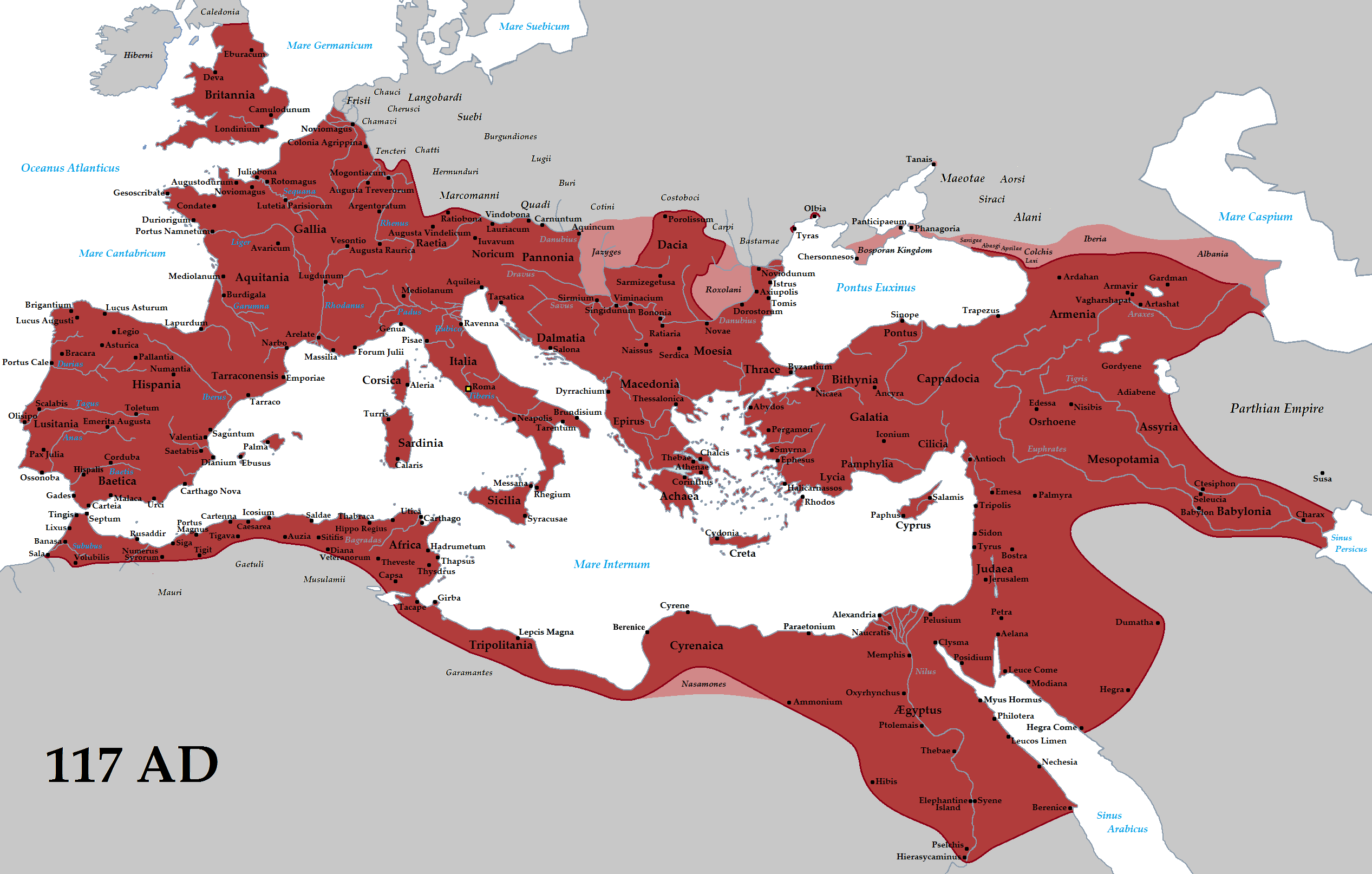
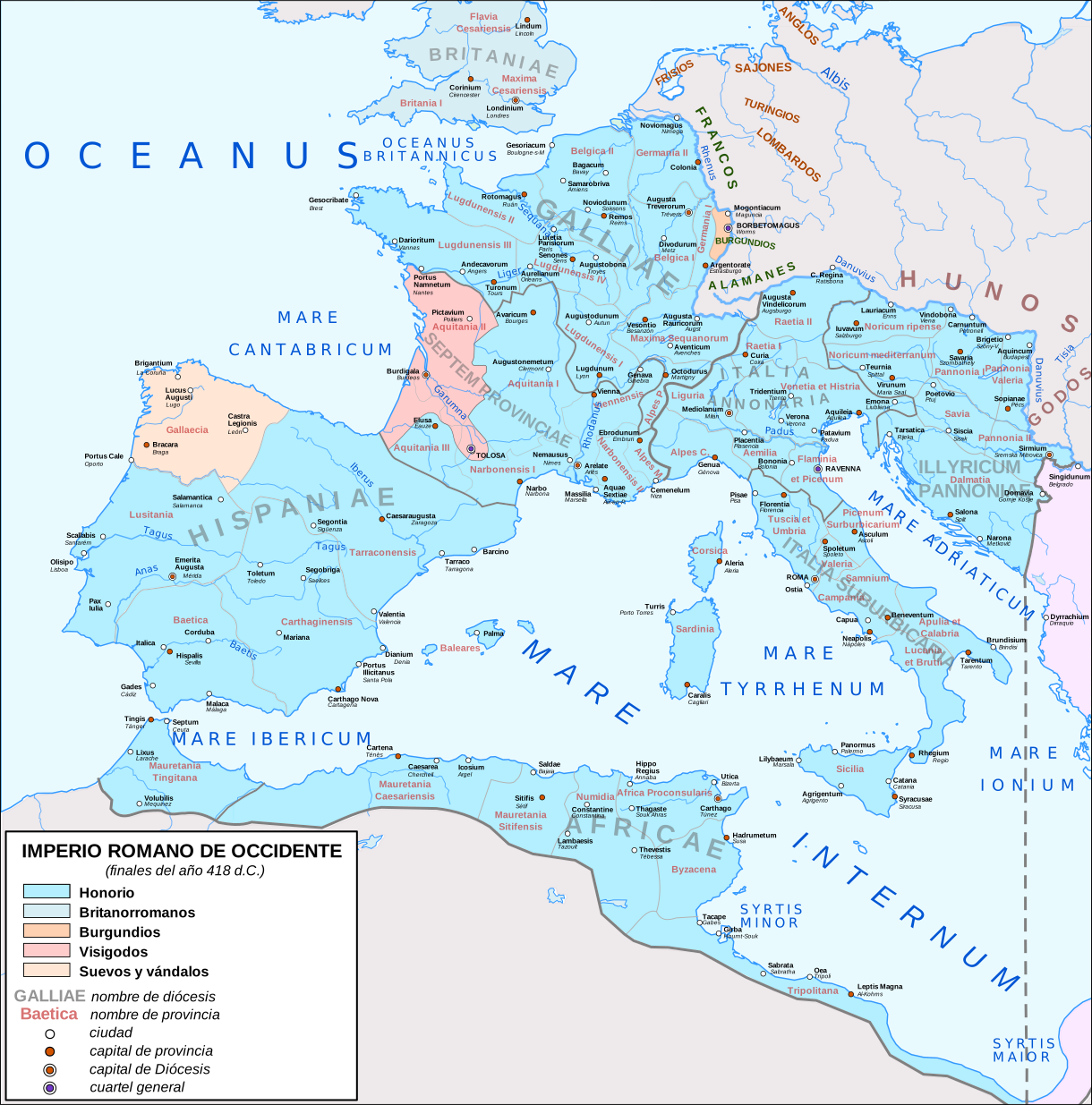
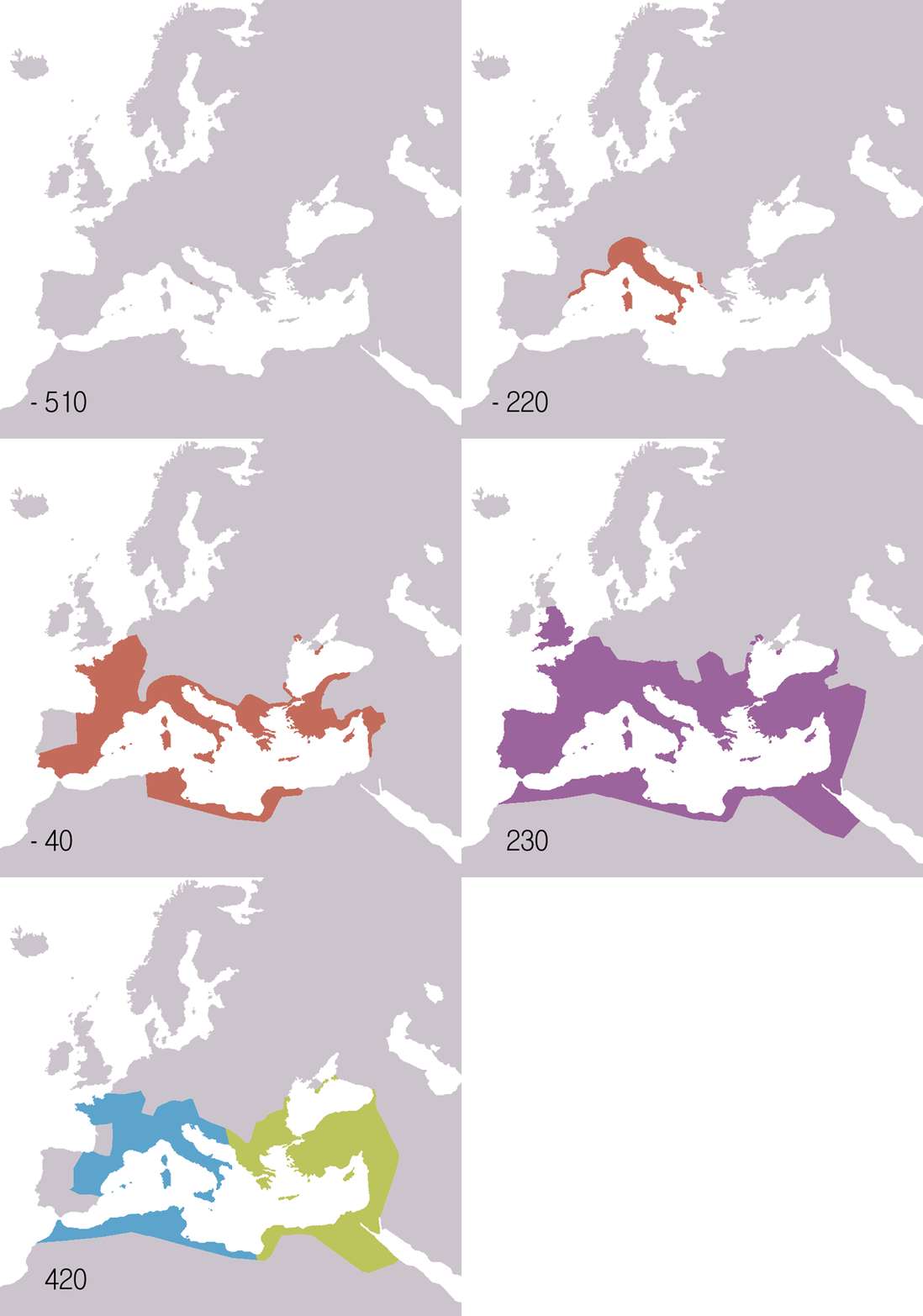
Greece lit the fire, Rome spread it across continents, then the Western Empire collapsed in 476 and vanished into ash. Charlemagne and the Holy Romans offered an answer: it would rise again and again.
📌 內容與授權:本頁事件說明文字(中英)為 Cosmic History Timeline 編輯整理。
圖片來自 Wikimedia Commons,作者與授權詳見每張圖下方連結。
延伸閱讀的 Wikipedia 與 Amazon 連結著作權歸原權利人;Amazon 連結為聯盟連結(不影響你的價格)。
📌 Sources & Credits: Event descriptions (zh / en) are editorial work by Cosmic History Timeline.
Images are sourced from Wikimedia Commons — author and license shown below each image.
Wikipedia and Amazon links belong to their respective rights holders; Amazon links are affiliate links (no extra cost to you).
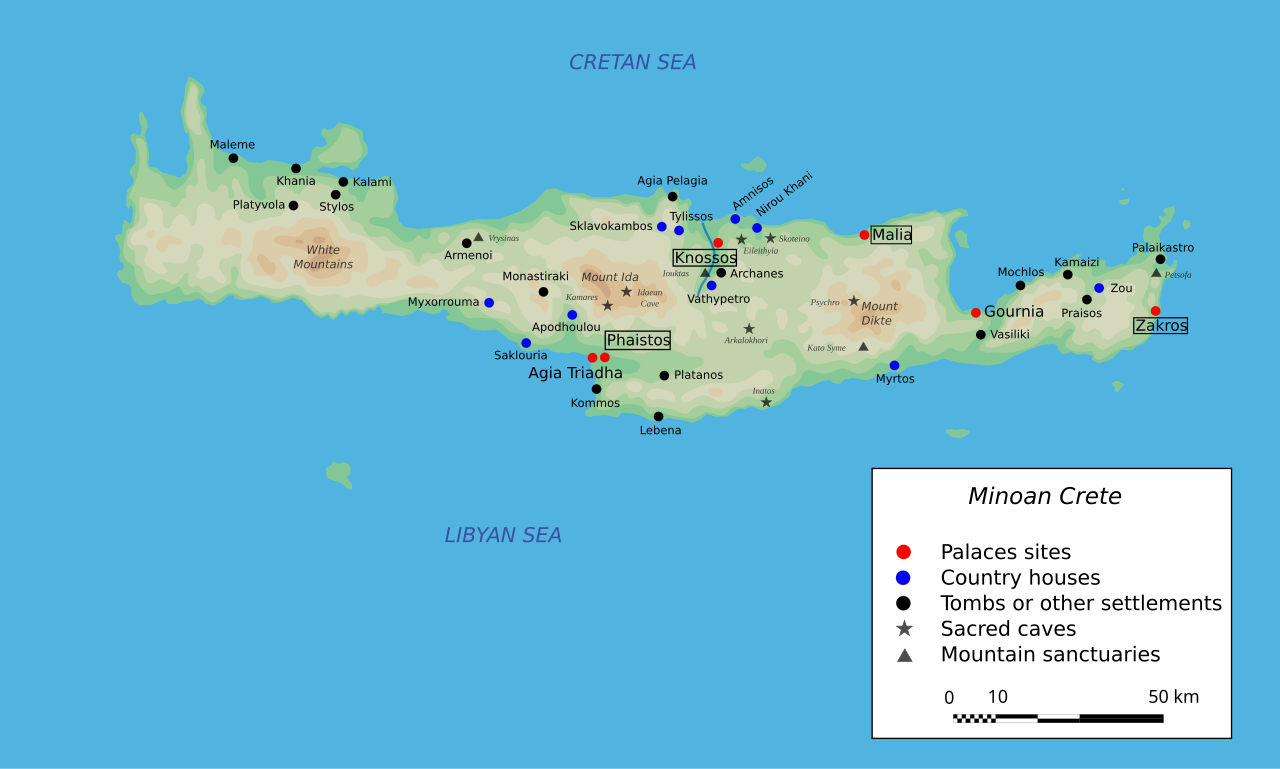
The Minoan civilization on Crete was Europe's first high culture — famed for the Knossos palace complex, Linear A script, frescoes, and the Labyrinth myth. Battered by the 1628 BC Santorini eruption and replaced by Mycenaeans by 1450 BC. The 'mother culture of Europe.'
The dominant Greek Bronze Age civilization; the historical context of the Trojan War; collapsed due to the Sea Peoples invasion, leading to the Greek Dark Ages.
After Mycenaean collapse, Greece entered a dark age of population decline and lost literacy, gradually transitioning to iron use before the classical Greek civilization emerged.
The first Pan-Hellenic games were held at Olympia before the temple of Zeus in Elis. Held every four years, participants were only Greek men; city-states observed the Olympic Truce during games. The Greek calendar started from this year. The games lasted 1,170 years, banned as pagan by Theodosius in 393.
Athenian archon Solon proclaimed 'Seisachtheia' (shaking off burdens) — canceling debts, abolishing debt slavery, stratifying citizens into four property classes, and rewriting the law code. Ending aristocratic monopoly, his reforms laid the groundwork for Cleisthenes's 508 BC democratic revolution.
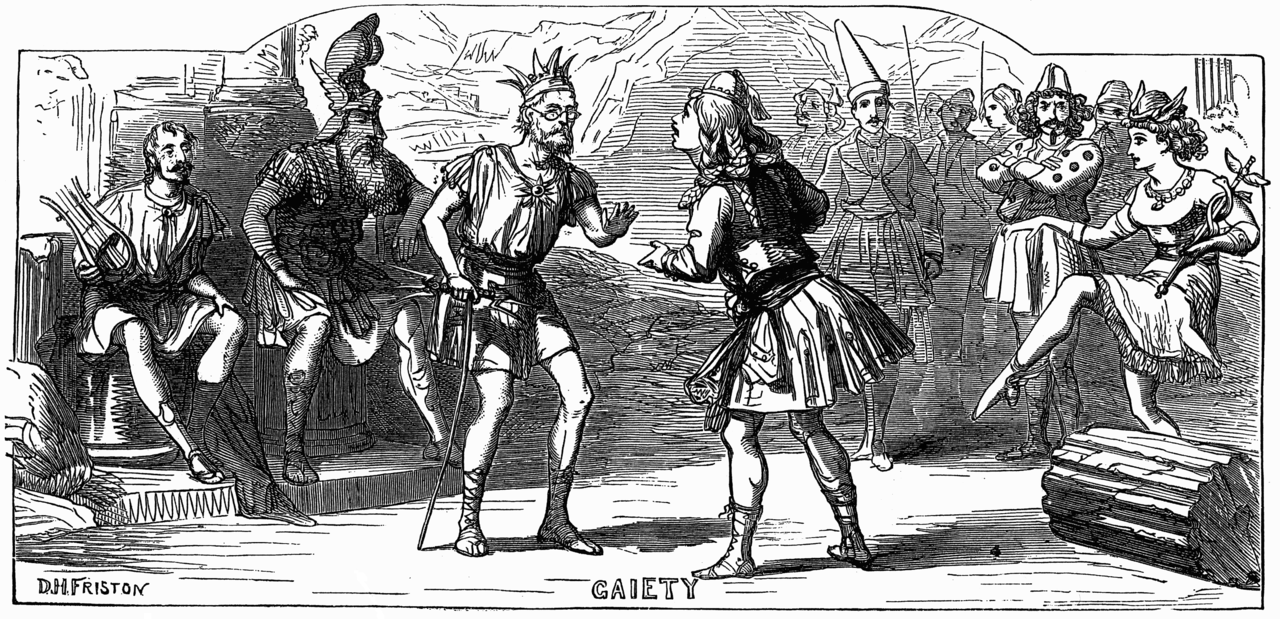
At the Athenian Dionysia festival, Thespis first stepped out of the chorus to dialogue as an actor — regarded as the first actor in Western drama (the English 'thespian' derives from him). The Dionysia became ancient Greece's most important cultural event, nurturing Aeschylus, Sophocles, and Euripides.
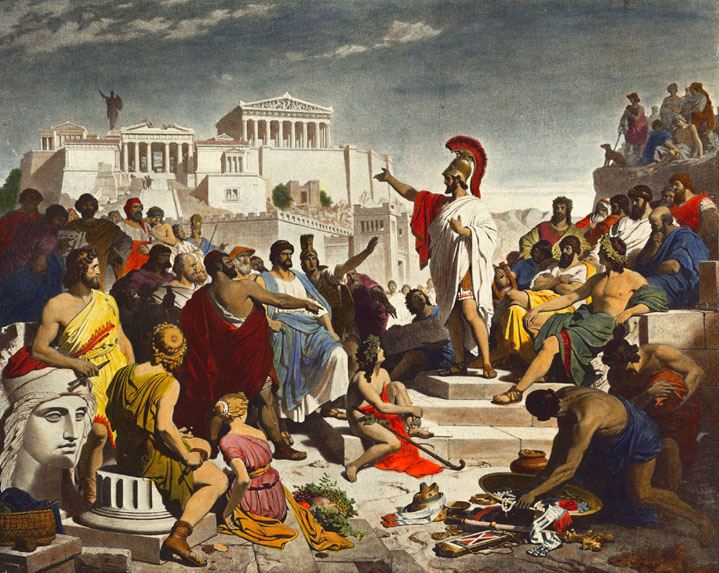
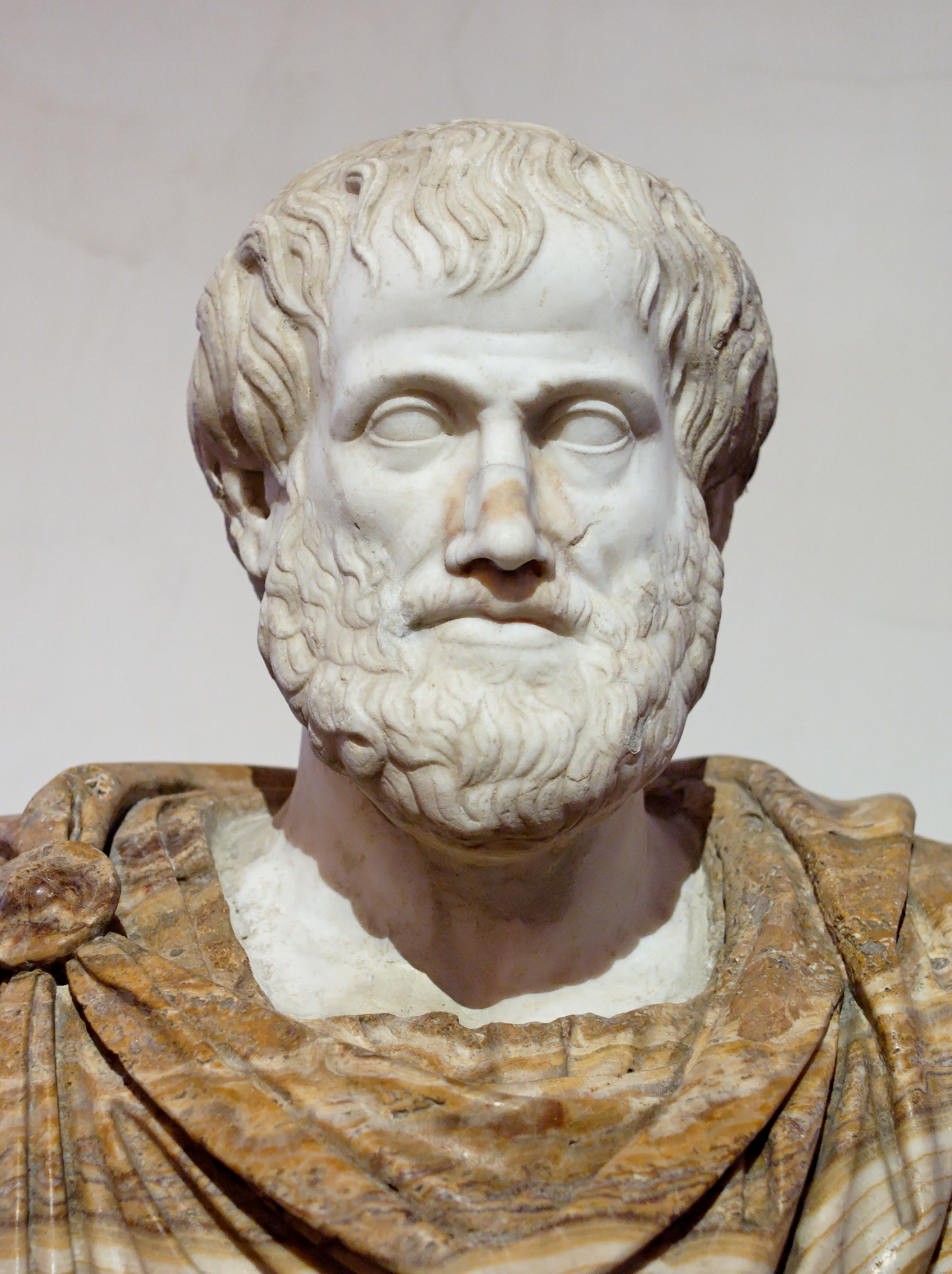
From Cleisthenes's 508 BC democratic reforms to the Macedonian suppression of Athenian democracy in 322 BC, 186 years of Classical Athens birthed Western civilization: democracy, drama (Sophocles, Euripides), philosophy (Socrates, Plato, Aristotle), history (Herodotus, Thucydides), and architecture (Parthenon).
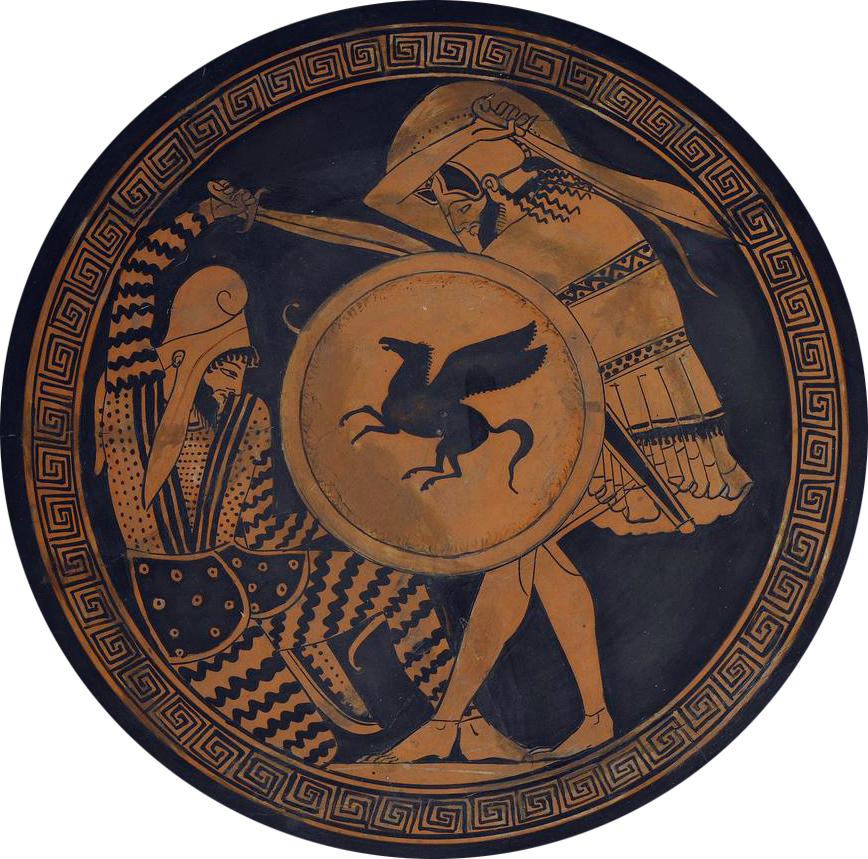
In August, Spartan King Leonidas and 300 elites plus a few thousand Greek allies held Thermopylae against Xerxes's Persian army for three days. All died, but the delay gave the Greek navy time for the decisive Salamis victory. An eternal symbol of Greek freedom resisting tyranny.
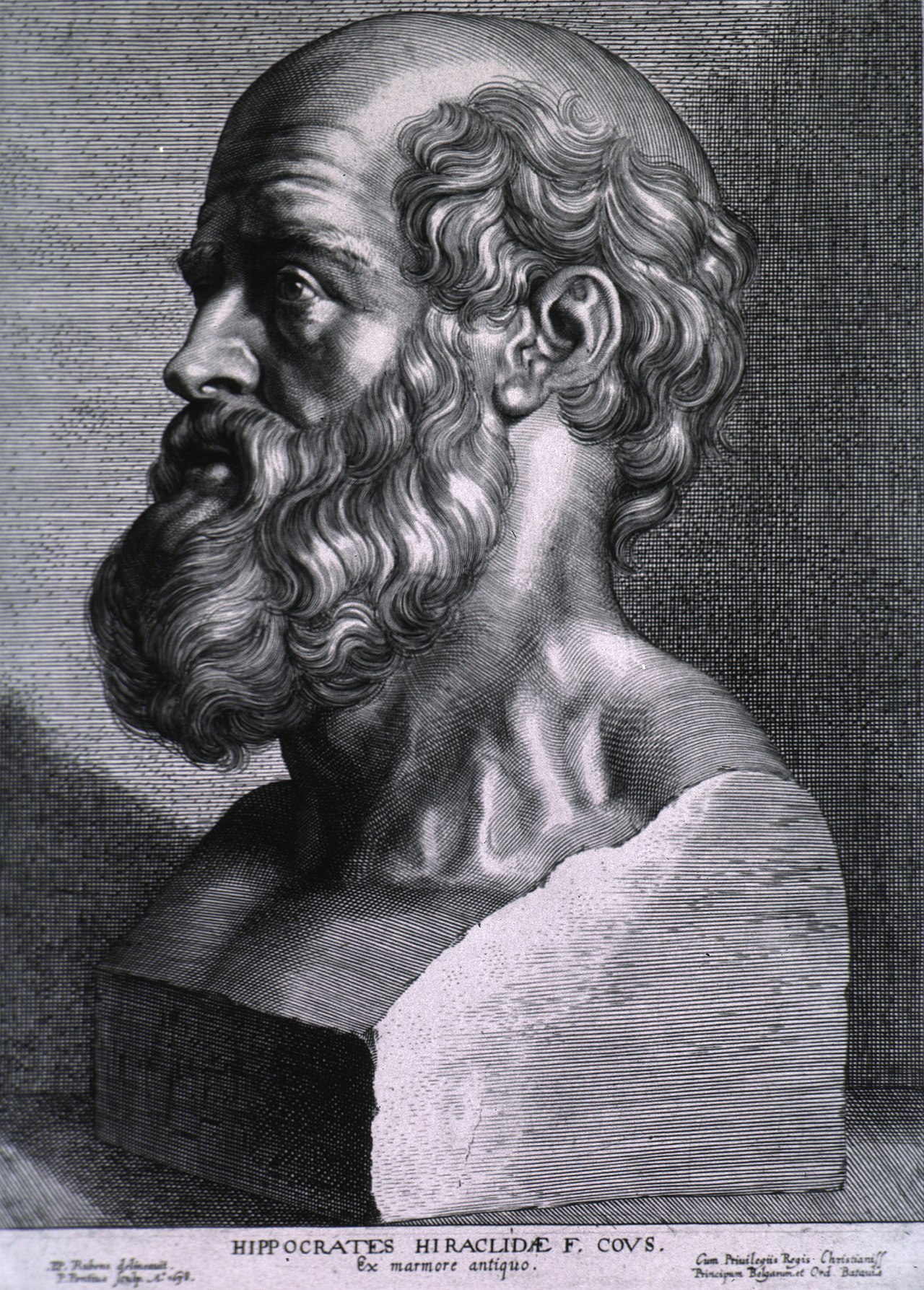
圖:Paulus Pontius / After Peter Paul Rubens · Public domain · Wikimedia CommonsImage: Paulus Pontius / After Peter Paul Rubens · Public domain · Wikimedia Commons
西方醫學之父,將醫學從迷信提升為理性學科,希波克拉底誓詞至今仍是醫學倫理的基礎。
Father of Western medicine; elevated medicine from superstition to rational discipline; the Hippocratic Oath remains medicine's ethical foundation.
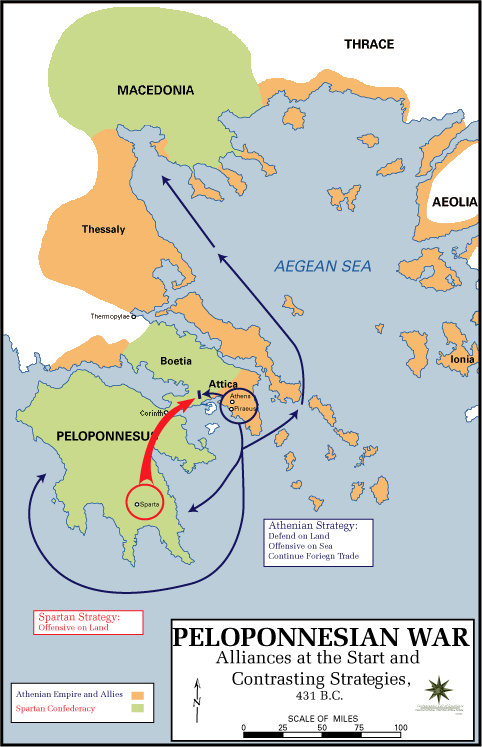
圖:U.S. Army Cartographer, as amended by uploader to correct spelling mistake · Public domain · Wikimedia CommonsImage: U.S. Army Cartographer, as amended by uploader to correct spelling mistake · Public domain · Wikimedia Commons
In April, Athens (sea power) and Sparta (land power) began a 27-year war that engulfed all Greece. The 430 BC Athenian plague killed Pericles; the 415 BC Sicilian Expedition was a disaster; Athens surrendered in 404 BC. The Greek polis system exhausted itself, paving the way for Macedonia. Thucydides wrote history's first scientific war history.
In 415 BC, Athenian Alcibiades pushed for a Syracuse expedition to sever Sparta's supplies. In 413 BC, Nicias's 40,000 troops and 200 ships were annihilated at Syracuse. Athens's best forces were lost overnight; the Peloponnesian War's balance tilted to Sparta. Thucydides called it Greece's greatest disaster.
After Athenian democracy's restoration, 70-year-old Socrates was charged with 'corrupting the youth' and 'impiety.' A 501-jury convicted 281-220 and sentenced him to death. Refusing to escape, he drank hemlock. Plato's 'Apology' and 'Phaedo' record it — a turning point in Western philosophy, opening the way to Ideas and dialectic.
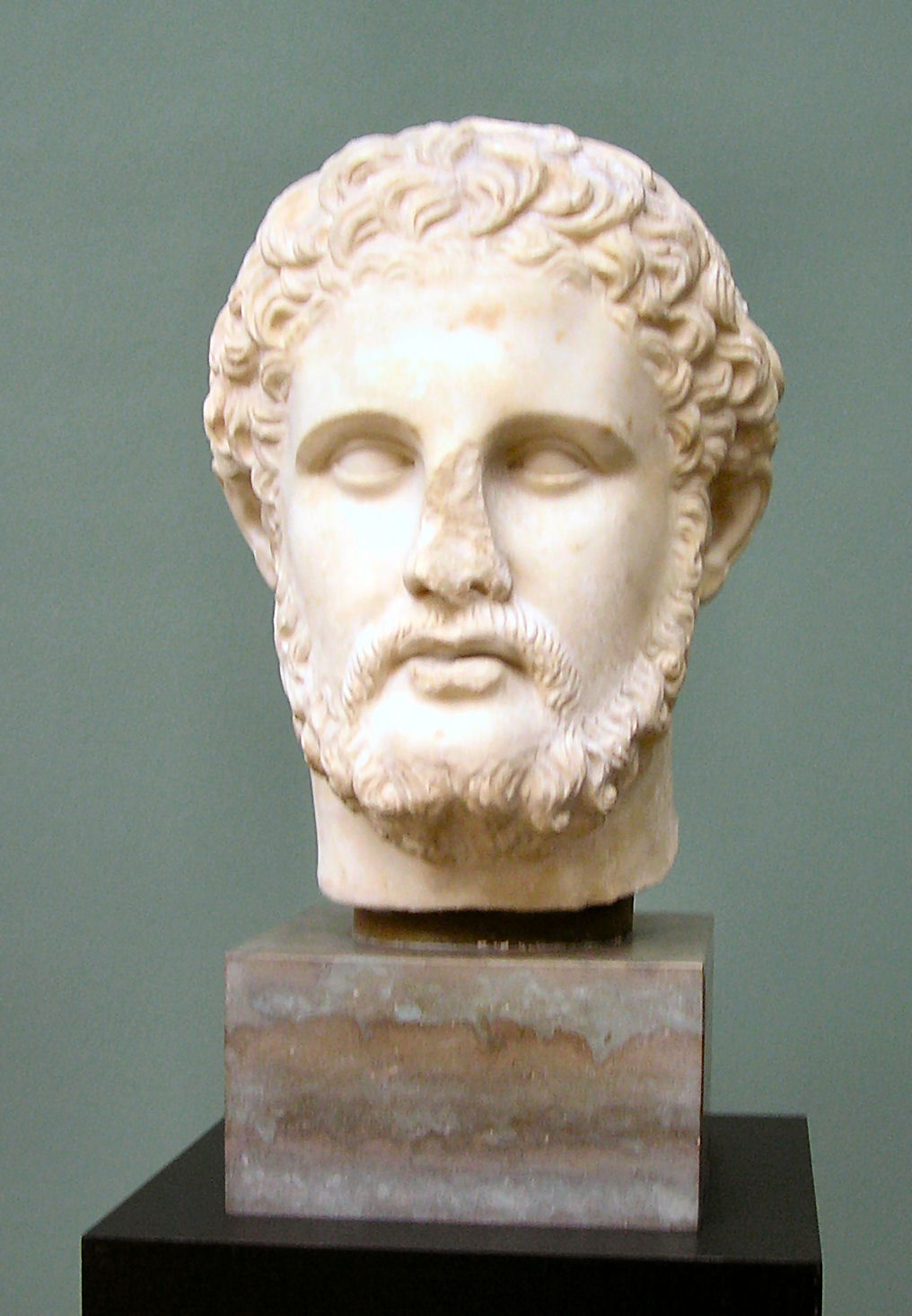
Philip II 23 歲即位,改革馬其頓軍制創薩里沙長矛方陣、兵團(phalanx)、混合兵種戰術。24 年內征服巴爾幹、-338 年 Chaeronea 擊敗希臘聯軍。將希臘統一為「柯林斯聯盟」,為兒子 Alexander 打下征服波斯根基。
At 23, Philip II became king and reformed Macedonian military — creating the sarissa pike phalanx and combined-arms tactics. In 24 years he conquered the Balkans; at Chaeronea (338 BC) he defeated the Greek coalition. He unified Greece as the League of Corinth, laying the foundation for his son Alexander's Persian conquest.
相關主軸:Related axes:波斯/伊朗Persia中東Middle East亞歷山大·早年Alexander · Early Years
8 月 2 日 Philip II 與 18 歲 Alexander 父子擊敗雅典-底比斯聯軍於 Chaeronea。神聖軍團 300 人全戰死。希臘城邦獨立自此終結,被納入馬其頓柯林斯聯盟。Demosthenes《金冠演說》哀悼希臘自由。
On August 2, Philip II and his 18-year-old son Alexander defeated the Athens-Thebes coalition at Chaeronea. The Theban Sacred Band of 300 fell to a man. Greek polis independence ended; all were incorporated into the Macedonian League of Corinth. Demosthenes's 'On the Crown' mourned Greek freedom.
相關主軸:Related axes:西方West跨文明Cross-Civilization亞歷山大·早年Alexander · Early Years
From Alexander's death to Cleopatra's suicide, 293 years of Hellenistic kingdoms: Seleucid (Syria-Persia), Ptolemaic (Egypt), Antigonid (Macedon-Greece), Attalid (Anatolia). Greek culture — the Koine lingua franca, Alexandria's scholarship, Archimedes/Euclid's science — spread as far as India.
圖:Drawn by F. W. Putzger, A. Baldamus and E. Schwabe, uploaded to Wikimedia Common · CC BY-SA 4.0 · Wikimedia CommonsImage: Drawn by F. W. Putzger, A. Baldamus and E. Schwabe, uploaded to Wikimedia Common · CC BY-SA 4.0 · Wikimedia Commons
In 146 BC Rome destroyed Corinth and annexed Greece as the Achaea province. For 541 years Greece was politically subject — but 'conquered Greece conquered her rude conqueror' (Horace): Rome absorbed Greek philosophy, religion, art, theatre, architecture, and education. When the empire split in 395, Greece went to the East.
圖:Ángel M. Felicísimo from Mérida, España · Public domain · Wikimedia CommonsImage: Ángel M. Felicísimo from Mérida, España · Public domain · Wikimedia Commons
尤利烏斯·凱撒在羅馬元老院被刺殺,引發內戰,最終導致羅馬共和國終結。
Julius Caesar is assassinated in the Senate, triggering civil war and ultimately ending the Roman Republic.
After Theodosius I dies, the Empire permanently splits; the Western Empire falls 80 years later; the Eastern Empire (Byzantium) survives for 1,000 years.
圖:Original authors were the barons and King John of England. Uploaded by Earthsoun · Public domain · Wikimedia CommonsImage: Original authors were the barons and King John of England. Uploaded by Earthsoun · Public domain · Wikimedia Commons
英國貴族迫使約翰王簽署,限制王權、保障貴族權利,是現代憲政與法治精神的最早文件之一。
English barons force King John to sign, limiting royal power — one of the earliest documents of constitutionalism and rule of law.
圖:Attributed to Francesco Melzi · Public domain · Wikimedia CommonsImage: Attributed to Francesco Melzi · Public domain · Wikimedia Commons
文藝復興全才,《蒙娜麗莎》《最後的晚餐》作者,同時研究解剖學、飛行器、水力機械,超越時代的天才。
Renaissance polymath; painter of the Mona Lisa and Last Supper; simultaneously studied anatomy, flying machines, and hydraulics — a genius centuries ahead of his time.
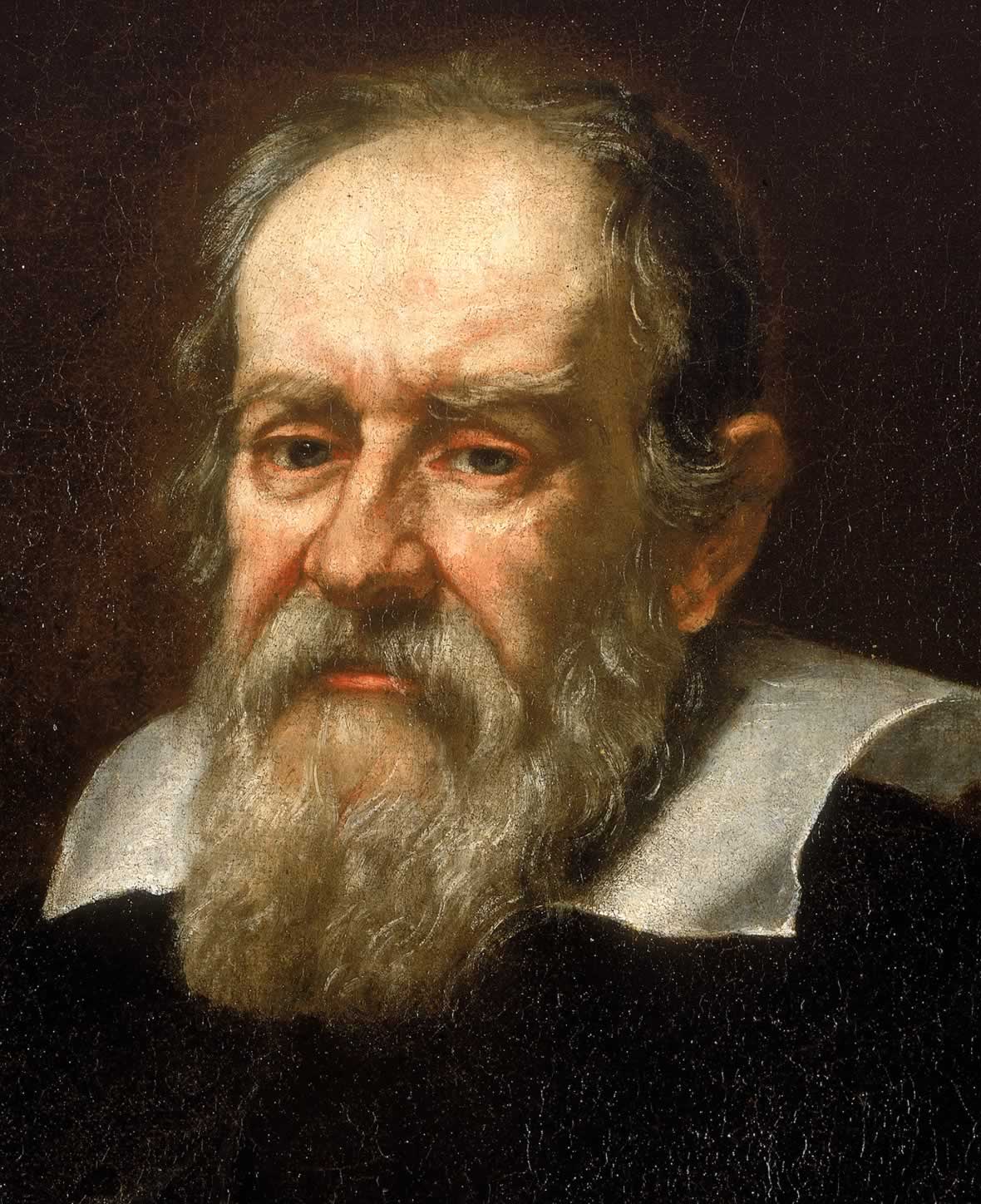
Galileo improves the telescope and turns it skyward; discovers Jupiter's moons and Venus phases; defends heliocentrism with experiment, founding modern science.
相關主軸:Related axes:科學技術Science & Tech伽利略Galileo Galilei
Europe's most devastating religious war; Central Europe loses a third of its population; the Peace of Westphalia establishes the modern sovereign state system.
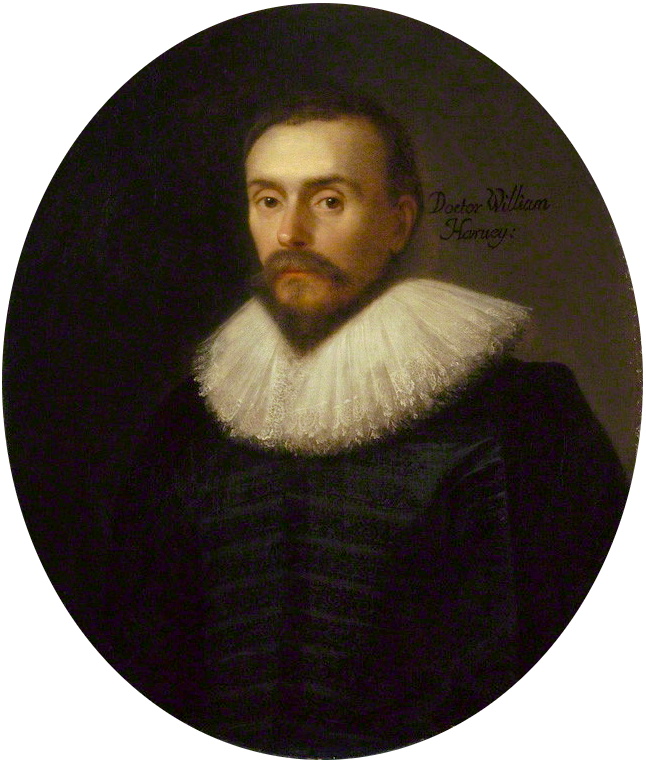
William Harvey publishes on the circulation of blood, correctly describing the cardiovascular system and overturning Galen's errors — founding modern physiology.
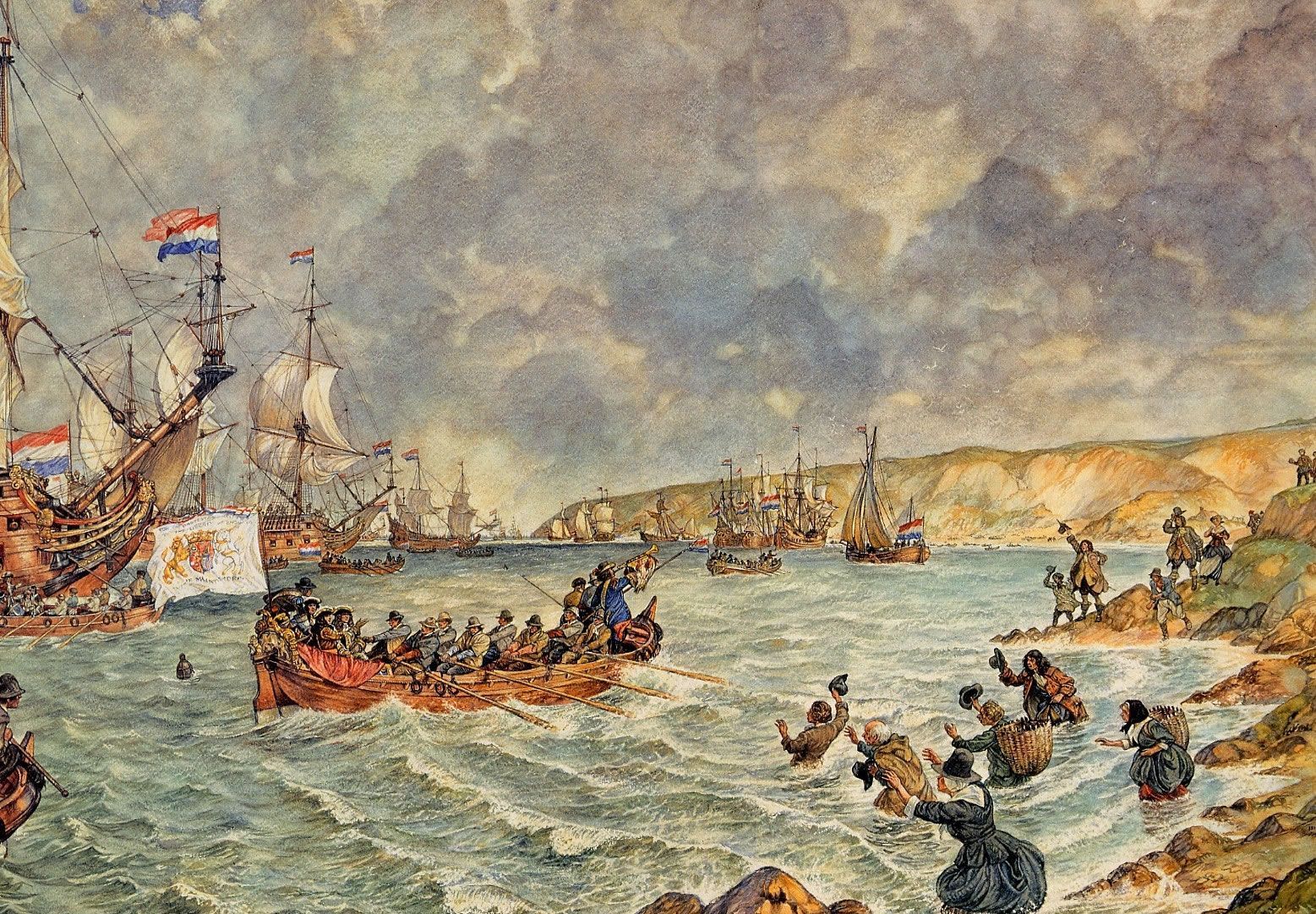
A bloodless coup overthrows James II; parliamentary sovereignty confirmed; the Bill of Rights establishes constitutional monarchy, influencing the US Constitution.
Russian chemist Mendeleev publishes the periodic table, predicting the existence of undiscovered elements — the most important classification system in chemistry.
Six nations sign the Treaty of Rome, creating the European Economic Community — the EU's predecessor and a historic experiment in voluntary sovereignty integration.