宇宙歷史 Cosmic History

138 億年前,無中生有的一聲巨響。從第一縷光線到星系碰撞,宇宙用暴力重塑自己。

138 billion years: a bang that made nothing into everything. From the first light to galactic collisions, the cosmos rebuilt itself through violence.

在互動時間軸上瀏覽 → Open in interactive timeline →
互動時間軸 Interactive Timeline 本 view 的 3 條軸線 · 滾輪縮放 · 拖曳平移 · 點事件查看詳情 3 axes · scroll to zoom · drag to pan · click events for detail
📌 內容與授權:本頁事件說明文字(中英)為 Cosmic History Timeline 編輯整理。 圖片來自 Wikimedia Commons,作者與授權詳見每張圖下方連結。 延伸閱讀的 Wikipedia 與 Amazon 連結著作權歸原權利人;Amazon 連結為聯盟連結(不影響你的價格)。 📌 Sources & Credits: Event descriptions (zh / en) are editorial work by Cosmic History Timeline. Images are sourced from Wikimedia Commons — author and license shown below each image. Wikipedia and Amazon links belong to their respective rights holders; Amazon links are affiliate links (no extra cost to you).

古代 · 102 條事件 Ancient · 102 events

西元前 13800000000 年 astronomy

宇宙大爆炸 Big Bang

宇宙大爆炸 / Big Bang
圖:NASA/WMAP Science Team · Public domain · Wikimedia CommonsImage: NASA/WMAP Science Team · Public domain · Wikimedia Commons

宇宙從極度高溫高密度的奇點爆炸膨脹,時間、空間與物質同時誕生。

The universe exploded from an infinitely dense singularity, creating space, time, and matter.

西元前 13800000008 年 astronomy

宇宙暴脹 Cosmic Inflation

宇宙暴脹 / Cosmic Inflation
圖:NASA / WMAP Science Team · Public domain · Wikimedia CommonsImage: NASA / WMAP Science Team · Public domain · Wikimedia Commons

大爆炸後10⁻³²秒,宇宙從量子尺度急速膨脹至宏觀尺度,奠定宇宙大尺度結構。

10⁻³² seconds after the Big Bang, the universe expands exponentially from quantum to macroscopic scale.

西元前 13800000007 年 astronomy

夸克時代 Quark Epoch

夸克時代 / Quark Epoch
圖:NASA / WMAP Science Team · Public domain · Wikimedia CommonsImage: NASA / WMAP Science Team · Public domain · Wikimedia Commons

大爆炸後10^-12秒,宇宙由夸克、膠子和輕子組成的熱湯構成,溫度高達萬億度。

From 10^-12 seconds after the Big Bang, the universe consisted of a hot soup of quarks, gluons and leptons.

西元前 13800000006 年 astronomy

粒子反粒子湮滅 Matter-Antimatter Annihilation

粒子反粒子湮滅 / Matter-Antimatter Annihilation
圖:Eduemoni · CC BY-SA 4.0 · Wikimedia CommonsImage: Eduemoni · CC BY-SA 4.0 · Wikimedia Commons

物質與反物質大量湮滅,物質僅勝出十億分之一,奠定物質宇宙

Matter and antimatter annihilate en masse; matter survives by one part per billion, setting the foundation for a matter universe.

西元前 13800000003 年 astronomy

微中子退耦 Neutrino Decoupling

微中子退耦 / Neutrino Decoupling
圖:NASA / WMAP Science Team · Public domain · Wikimedia CommonsImage: NASA / WMAP Science Team · Public domain · Wikimedia Commons

微中子不再與其他物質交互作用,形成宇宙微中子背景

Neutrinos cease interacting with other matter, forming the cosmic neutrino background.

西元前 13800000002 年 astronomy

電子正子湮滅 Electron-Positron Annihilation

電子正子湮滅 / Electron-Positron Annihilation
圖:Jens Maus (https://jens-maus.de/) · Public domain · Wikimedia CommonsImage: Jens Maus (https://jens-maus.de/) · Public domain · Wikimedia Commons

溫度降至無法產生電子-正子對,剩餘電子構成日後的原子

Temperature drops below electron-positron pair production threshold; remaining electrons will form atoms.

西元前 13800000001 年 astronomy

質子與中子形成 Proton and Neutron Formation

質子與中子形成 / Proton and Neutron Formation
圖:NASA / WMAP Science Team · Public domain · Wikimedia CommonsImage: NASA / WMAP Science Team · Public domain · Wikimedia Commons

大爆炸後約1微秒,夸克結合形成質子和中子,物質的基本單位誕生。

About 1 microsecond after the Big Bang, quarks combined to form protons and neutrons.

西元前 13800000000 年 astronomy

宇宙核合成 Big Bang Nucleosynthesis

宇宙核合成 / Big Bang Nucleosynthesis
圖:外部來源 / external sourceImage: 外部來源 / external source

大爆炸後3-20分鐘,氫、氦、鋰等輕元素核形成,奠定宇宙化學組成(75%氫,25%氦)。

3-20 minutes after the Big Bang, light element nuclei formed, establishing the universe's chemical composition (75% hydrogen, 25% helium).

西元前 13787000000 年 astronomy

宇宙黑暗時代 Cosmic Dark Ages

宇宙黑暗時代 / Cosmic Dark Ages
圖:NASA / WMAP Science Team · Public domain · Wikimedia CommonsImage: NASA / WMAP Science Team · Public domain · Wikimedia Commons

宇宙復合後到第一批恆星誕生前,宇宙中沒有任何光源,完全黑暗。

Between recombination and the first stars, the universe contained no light sources — completely dark.

西元前 13787000000 年 astronomy

宇宙復合時期・CMB Cosmic Recombination & CMB

宇宙復合時期・CMB / Cosmic Recombination & CMB
圖:NASA / WMAP Science Team · Public domain · Wikimedia CommonsImage: NASA / WMAP Science Team · Public domain · Wikimedia Commons

大爆炸後38萬年,電子與質子結合成氫原子,宇宙從不透明變為透明,宇宙微波背景輻射釋放。

380,000 years after the Big Bang, electrons combine with protons; the universe becomes transparent; the CMB is released.

西元前 13700000000 年 nature

暗物質形成 Dark Matter Forms

暗物質形成 / Dark Matter Forms
圖:Aflafla1 translator: Manlleus (ca) WikiHelper1982 (French translation) · CC0 · Wikimedia CommonsImage: Aflafla1 translator: Manlleus (ca) WikiHelper1982 (French translation) · CC0 · Wikimedia Commons

Invisible matter that makes up ~27% of the universe formed shortly after the Big Bang, shaping galaxy structure.

西元前 13500000000 年 astronomy

銀河系形成 Milky Way Forms

銀河系形成 / Milky Way Forms
圖:NASA/JPL-Caltech/ESO/R. Hurt · Public domain · Wikimedia CommonsImage: NASA/JPL-Caltech/ESO/R. Hurt · Public domain · Wikimedia Commons

我們的銀河系逐漸形成,包含超過2000億顆恆星,直徑約10萬光年。

Our Milky Way galaxy gradually assembles, containing over 200 billion stars.

西元前 13500000000 年 astronomy

第一代恆星點燃・宇宙黎明 First Stars Ignite・Cosmic Dawn

第一代恆星點燃・宇宙黎明 / First Stars Ignite・Cosmic Dawn
圖:NASA, ESA, P. Oesch (Yale University), G. Brammer (STScI), P. van Dokkum (Yale U · Public domain · Wikimedia CommonsImage: NASA, ESA, P. Oesch (Yale University), G. Brammer (STScI), P. van Dokkum (Yale U · Public domain · Wikimedia Commons

第一批恆星開始核融合發光,結束長達數億年的宇宙黑暗時代

The first stars ignite nuclear fusion, ending the cosmic Dark Ages that lasted hundreds of millions of years.

西元前 13400000000 年 astronomy

宇宙恆星形成高峰 Cosmic Star Formation Peak

宇宙恆星形成高峰 / Cosmic Star Formation Peak
圖:NASA/JPL-Caltech · Attribution · Wikimedia CommonsImage: NASA/JPL-Caltech · Attribution · Wikimedia Commons

約 100 億年前,宇宙恆星形成速率達到巔峰,此後逐漸下降

Around 10 billion years ago, the cosmic star formation rate reached its peak before gradually declining.

西元前 13200000000 年 astronomy

銀河系最早恆星(第三族星) Milky Way's First Stars (Pop III)

銀河系最早恆星(第三族星) / Milky Way's First Stars (Pop III)
圖:NASA/JPL-Caltech/ESO/R. Hurt · Public domain · Wikimedia CommonsImage: NASA/JPL-Caltech/ESO/R. Hurt · Public domain · Wikimedia Commons

純氫氦巨星,壽命極短,超新星爆炸後散播第一批重元素

Massive pure hydrogen-helium stars with extremely short lifespans; their supernovae scatter the first heavy elements.

西元前 13000000000 年 astronomy

第一批星系形成 First Galaxies Form

第一批星系形成 / First Galaxies Form
圖:外部來源 / external sourceImage: 外部來源 / external source

早期恆星聚集,第一批原始星系在宇宙中形成,引力成為宇宙結構的主宰力量。

Early stars cluster together; the first primitive galaxies form; gravity becomes the dominant force shaping cosmic structure.

西元前 13000000000 年 astronomy

宇宙再電離時代 Epoch of Reionization

宇宙再電離時代 / Epoch of Reionization
圖:M. Alvarez (http://www.cita.utoronto.ca/~malvarez), R. Kaehler, and T. Abel · CC BY 4.0 · Wikimedia CommonsImage: M. Alvarez (http://www.cita.utoronto.ca/~malvarez), R. Kaehler, and T. Abel · CC BY 4.0 · Wikimedia Commons

第一批恆星和星系的紫外線輻射將中性氫電離,宇宙從黑暗時代進入透明時代。

UV radiation from the first stars and galaxies ionized neutral hydrogen, ending the cosmic Dark Ages.

西元前 13000000000 年 astronomy

瑪土撒拉星形成 Methuselah Star (HD 140283) Forms

瑪土撒拉星形成 / Methuselah Star (HD 140283) Forms
圖:Digitized Sky Survey (DSS), STScI/AURA, Palomar/Caltech, and UKSTU/AAO · CC BY 4.0 · Wikimedia CommonsImage: Digitized Sky Survey (DSS), STScI/AURA, Palomar/Caltech, and UKSTU/AAO · CC BY 4.0 · Wikimedia Commons

已知最古老恆星之一,約 138 億年,幾乎與宇宙同齡

One of the oldest known stars, ~13.8 billion years old, nearly as old as the universe itself.

西元前 13000000000 年 astronomy

Kraken 星系合併 Kraken Galaxy Merger

Kraken 星系合併 / Kraken Galaxy Merger
圖:NASA/JPL-Caltech/ESO/R. Hurt · Public domain · Wikimedia CommonsImage: NASA/JPL-Caltech/ESO/R. Hurt · Public domain · Wikimedia Commons

銀河系最早期的重大合併事件,由球狀星團分析推測

The earliest major merger in Milky Way history, inferred from globular cluster analysis.

西元前 12800000000 年 astronomy

宇宙再電離完成 Cosmic Reionization Complete

宇宙再電離完成 / Cosmic Reionization Complete
圖:NASA · Public domain · Wikimedia CommonsImage: NASA · Public domain · Wikimedia Commons

恆星和類星體的紫外線將星際氫重新電離,宇宙再次變得透明

UV light from stars and quasars reionizes intergalactic hydrogen; the universe becomes transparent again.

西元前 12000000000 年 astronomy

銀河系最早球狀星團(M4) Oldest Globular Cluster (M4) Forms

銀河系最早球狀星團(M4) / Oldest Globular Cluster (M4) Forms
圖:ESO Imaging Survey · CC BY 4.0 · Wikimedia CommonsImage: ESO Imaging Survey · CC BY 4.0 · Wikimedia Commons

M4 是距地球最近的球狀星團之一,包含已知最古老的白矮星

M4 is one of the nearest globular clusters to Earth, containing the oldest known white dwarfs.

西元前 12000000000 年 astronomy

最早類星體 First Quasars

最早類星體 / First Quasars
圖:NASA/CXC/A.Siemiginowska(CfA)/J.Bechtold(U.Arizona) · Public domain · Wikimedia CommonsImage: NASA/CXC/A.Siemiginowska(CfA)/J.Bechtold(U.Arizona) · Public domain · Wikimedia Commons

超大質量黑洞驅動的宇宙最亮天體開始出現

The brightest objects in the universe, powered by supermassive black holes, begin to appear.

西元前 11800000000 年 astronomy

類星體活動高峰 Peak Quasar Activity

類星體活動高峰 / Peak Quasar Activity
圖:NASA/CXC/A.Siemiginowska(CfA)/J.Bechtold(U.Arizona) · Public domain · Wikimedia CommonsImage: NASA/CXC/A.Siemiginowska(CfA)/J.Bechtold(U.Arizona) · Public domain · Wikimedia Commons

宇宙約 20 億年時類星體數量達到巔峰,超大質量黑洞最活躍的時期

Quasar numbers peak when the universe is ~2 billion years old; supermassive black holes are at their most active.

西元前 11000000000 年 astronomy

銀河系棒旋結構形成 Milky Way Bar Structure Forms

銀河系棒旋結構形成 / Milky Way Bar Structure Forms
圖:NASA/JPL-Caltech/Federal University of Rio Grande do Sul · Attribution · Wikimedia CommonsImage: NASA/JPL-Caltech/Federal University of Rio Grande do Sul · Attribution · Wikimedia Commons

銀河系中心形成棒狀結構,演化為棒旋星系

A bar structure forms at the Milky Way's center, evolving into a barred spiral galaxy.

西元前 11000000000 年 astronomy

宇宙大尺度結構・宇宙網 Cosmic Web Forms

宇宙大尺度結構・宇宙網 / Cosmic Web Forms
圖:Andrew Pontzen and Fabio Governato · CC BY 2.0 · Wikimedia CommonsImage: Andrew Pontzen and Fabio Governato · CC BY 2.0 · Wikimedia Commons

星系團沿暗物質纖維狀結構排列,形成宇宙網

Galaxy clusters arrange along dark matter filaments, forming the cosmic web.

西元前 11000000000 年 astronomy

蓋亞-恩克拉多斯合併・恆星形成高峰 Gaia-Enceladus Merger・Star Formation Peak

蓋亞-恩克拉多斯合併・恆星形成高峰 / Gaia-Enceladus Merger・Star Formation Peak
圖:ESA (artist’s impression and composition); Koppelman, Villalobos and Helmi (simu · CC BY-SA 3.0 igo · Wikimedia CommonsImage: ESA (artist’s impression and composition); Koppelman, Villalobos and Helmi (simu · CC BY-SA 3.0 igo · Wikimedia Commons

約銀河系四分之一質量的矮星系猛烈撞入,觸發恆星形成高峰

A dwarf galaxy ~1/4 the Milky Way's mass violently merges, triggering peak star formation.

西元前 10400000000 年 astronomy

宇宙首次適居 Universe First Habitable

宇宙首次適居 / Universe First Habitable
圖:Spacegel. This image uses star and exoplanet visualizations of Wikimedia Commons · CC BY 4.0 · Wikimedia CommonsImage: Spacegel. This image uses star and exoplanet visualizations of Wikimedia Commons · CC BY 4.0 · Wikimedia Commons

重元素足夠形成岩質行星,宇宙首次具備孕育生命的條件

Enough heavy elements exist to form rocky planets; the universe becomes habitable for the first time.

西元前 10000000000 年 astronomy

銀河系厚盤形成 Milky Way Thick Disk Forms

銀河系厚盤形成 / Milky Way Thick Disk Forms
圖:NASA/JPL-Caltech/ESO/R. Hurt · Public domain · Wikimedia CommonsImage: NASA/JPL-Caltech/ESO/R. Hurt · Public domain · Wikimedia Commons

銀河系厚盤在約100億年前形成,包含較老的恆星族群,富含重元素。

The Milky Way's thick disk formed about 10 billion years ago, containing older stellar populations rich in heavy elements.

西元前 10000000000 年 astronomy

銀河系球狀星團形成 Globular Clusters Form

銀河系球狀星團形成 / Globular Clusters Form
圖:NASA Hubble · CC BY 2.0 · Wikimedia CommonsImage: NASA Hubble · CC BY 2.0 · Wikimedia Commons

銀暈中的古老星團群形成,如 M4、M13,包含數十萬至百萬顆恆星

Ancient star clusters form in the galactic halo, such as M4 and M13, containing hundreds of thousands to millions of stars.

西元前 10000000000 年 astronomy

物質主導時代・結構加速形成 Matter-Dominated Era・Structure Accelerates

物質主導時代・結構加速形成 / Matter-Dominated Era・Structure Accelerates
圖:NASA/WMAP Science Team · Public domain · Wikimedia CommonsImage: NASA/WMAP Science Team · Public domain · Wikimedia Commons

物質密度超過輻射,引力作用加速星系和星系團的形成

Matter density exceeds radiation; gravity accelerates the formation of galaxies and galaxy clusters.

西元前 10000000000 年 astronomy

恆星核合成·重元素誕生 Stellar Nucleosynthesis

恆星核合成·重元素誕生 / Stellar Nucleosynthesis
圖:外部來源 / external sourceImage: 外部來源 / external source

第一代大質量恆星在超新星爆炸中合成鐵以上的重元素,播撒到宇宙中,形成下一代行星和生命的原料。

First-generation massive stars synthesized heavy elements in supernova explosions, seeding the cosmos with the raw materials for planets and life.

西元前 10000000000 年 astronomy

蓋亞-恩克拉多斯星系合併 Gaia-Enceladus Merger

蓋亞-恩克拉多斯星系合併 / Gaia-Enceladus Merger
圖:ESA (artist’s impression and composition); Koppelman, Villalobos and Helmi (simu · CC BY-SA 3.0 igo · Wikimedia CommonsImage: ESA (artist’s impression and composition); Koppelman, Villalobos and Helmi (simu · CC BY-SA 3.0 igo · Wikimedia Commons

銀河系與蓋亞-恩克拉多斯矮星系發生重大合併事件,大量恆星被吸收,改變了銀河系的結構。

The Milky Way merged with the Gaia-Enceladus dwarf galaxy, absorbing billions of stars and reshaping its structure.

西元前 9000000000 年 astronomy

銀河系第二族星大量形成 Population II Stars Form En Masse

銀河系第二族星大量形成 / Population II Stars Form En Masse
圖:NASA/JPL-Caltech/A. Kashlinsky (Goddard Space Flight Center) · Public domain · Wikimedia CommonsImage: NASA/JPL-Caltech/A. Kashlinsky (Goddard Space Flight Center) · Public domain · Wikimedia Commons

含微量重元素的第二族星大量形成,構成銀暈和厚盤的主要恆星

Population II stars with trace heavy elements form in large numbers, comprising the halo and thick disk.

西元前 9000000000 年 astronomy

暗能量主導·宇宙加速膨脹 Dark Energy Dominance

暗能量主導·宇宙加速膨脹 / Dark Energy Dominance
圖:外部來源 / external sourceImage: 外部來源 / external source

約50億年前,暗能量開始主導宇宙,宇宙由減速膨脹轉為加速膨脹,最終命運可能是熱寂。

About 5 billion years ago, dark energy began to dominate, causing the universe to accelerate in its expansion.

西元前 8000000000 年 astronomy

銀河系薄盤形成 Milky Way Thin Disk Forms

銀河系薄盤形成 / Milky Way Thin Disk Forms
圖:NASA/JPL-Caltech/ESO/R. Hurt · Public domain · Wikimedia CommonsImage: NASA/JPL-Caltech/ESO/R. Hurt · Public domain · Wikimedia Commons

銀河系薄盤在約80億年前形成,包含太陽等較年輕的恆星,是大多數恆星形成的地方。

The thin disk formed about 8 billion years ago, containing younger stars like the Sun where most star formation occurs.

西元前 8000000000 年 astronomy

星系團碰撞合併高峰 Galaxy Cluster Merger Peak

星系團碰撞合併高峰 / Galaxy Cluster Merger Peak
圖:NASA, ESA, M. Trenti (University of Cambridge, UK and University of Colorado, Bo · CC BY 3.0 · Wikimedia CommonsImage: NASA, ESA, M. Trenti (University of Cambridge, UK and University of Colorado, Bo · CC BY 3.0 · Wikimedia Commons

大量星系團互相碰撞合併,形成超大規模結構

Massive galaxy clusters collide and merge, forming the largest structures in the universe.

西元前 8000000000 年 astronomy

銀河系厚盤耗盡・薄盤開始 Thick Disk Exhausts・Thin Disk Begins

銀河系厚盤耗盡・薄盤開始 / Thick Disk Exhausts・Thin Disk Begins
圖:European Space Agency · CC BY-SA 3.0 igo · Wikimedia CommonsImage: European Space Agency · CC BY-SA 3.0 igo · Wikimedia Commons

厚盤氫氣耗盡停止造星,新氣體沉降形成較薄的盤面

Thick disk exhausts its hydrogen and stops forming stars; fresh gas settles into a thinner disk.

西元前 7000000000 年 astronomy

銀河系核球穩定 Milky Way Bulge Stabilizes

銀河系核球穩定 / Milky Way Bulge Stabilizes
圖:NASA, ESA and the Hubble Heritage Team (STScI/AURA) · Public domain · Wikimedia CommonsImage: NASA, ESA and the Hubble Heritage Team (STScI/AURA) · Public domain · Wikimedia Commons

銀河系中心的棒狀核球區域穩定,包含大量古老恆星

The bar-shaped bulge at the Milky Way's center stabilizes, containing predominantly old stars.

西元前 6500000000 年 astronomy

類星體活動衰退 Quasar Activity Declines

類星體活動衰退 / Quasar Activity Declines
圖:Credit for WFPC2 image: NASA and J. Bahcall (IAS) Credit for ACS image: NASA, A. · Public domain · Wikimedia CommonsImage: Credit for WFPC2 image: NASA and J. Bahcall (IAS) Credit for ACS image: NASA, A. · Public domain · Wikimedia Commons

星系中心黑洞周圍的燃料逐漸耗盡,類星體數量急劇下降

Fuel around galactic central black holes depletes; quasar numbers drop sharply.

西元前 5500000000 年 astronomy

銀河系恆星形成率下降 Milky Way Star Formation Rate Declines

銀河系恆星形成率下降 / Milky Way Star Formation Rate Declines
圖:NASA and ESA · Public domain · Wikimedia CommonsImage: NASA and ESA · Public domain · Wikimedia Commons

銀河系每年僅形成 1-2 顆新恆星,遠低於早期每年數十顆

The Milky Way forms only 1-2 new stars per year, far below the dozens per year in its early history.

西元前 5000000000 年 astronomy

暗能量開始主導 Dark Energy Dominance Begins

暗能量開始主導 / Dark Energy Dominance Begins
圖:Ann Feild (STScI) · Public domain · Wikimedia CommonsImage: Ann Feild (STScI) · Public domain · Wikimedia Commons

宇宙從減速膨脹轉為加速膨脹,1998 年由超新星觀測證實

The universe transitions from decelerating to accelerating expansion; confirmed by supernova observations in 1998.

西元前 4800000000 年 astronomy

半人馬座α三合星形成 Alpha Centauri System Forms

半人馬座α三合星形成 / Alpha Centauri System Forms
圖:Digitized Sky Survey 2. Acknowledgement: Davide De Martin/Mahdi Zamani · CC BY 4.0 · Wikimedia CommonsImage: Digitized Sky Survey 2. Acknowledgement: Davide De Martin/Mahdi Zamani · CC BY 4.0 · Wikimedia Commons

距太陽最近的恆星系統(4.37 光年),包含三顆恆星

The nearest star system to the Sun (4.37 light-years), comprising three stars.

西元前 4600000000 年 astronomy

木星形成 Jupiter Forms

木星形成 / Jupiter Forms
圖:NASA/STSCI (S.T.A.R.S) · Public domain · Wikimedia CommonsImage: NASA/STSCI (S.T.A.R.S) · Public domain · Wikimedia Commons

太陽系最大行星率先形成,其強大引力主導太陽系結構,保護內行星免受彗星撞擊。

The solar system's largest planet forms first; its gravity dominates the solar system structure and shields inner planets.

西元前 4600000000 年 astronomy

天狼星形成 Sirius Forms

天狼星形成 / Sirius Forms
圖:NASA, ESA, H. Bond (STScI), and M. Barstow (University of Leicester) · Public domain · Wikimedia CommonsImage: NASA, ESA, H. Bond (STScI), and M. Barstow (University of Leicester) · Public domain · Wikimedia Commons

夜空最亮恆星,距太陽 8.6 光年,古埃及人用它預測尼羅河泛濫

The brightest star in the night sky, 8.6 light-years away; ancient Egyptians used it to predict Nile floods.

西元前 4600000000 年 astronomy

太陽星雲超新星觸發坍縮 Solar Nebula Supernova Trigger

太陽星雲超新星觸發坍縮 / Solar Nebula Supernova Trigger
圖:NASA/JPL-Caltech · Public domain · Wikimedia CommonsImage: NASA/JPL-Caltech · Public domain · Wikimedia Commons

附近超新星的衝擊波壓縮星際氣體雲,觸發太陽系形成

A nearby supernova's shockwave compresses an interstellar gas cloud, triggering solar system formation.

西元前 4600000000 年 astronomy

太陽系形成 Solar System Forms

太陽系形成 / Solar System Forms
圖:Harman Smith and Laura Generosa (nee Berwin), graphic artists and contractors to · Public domain · Wikimedia CommonsImage: Harman Smith and Laura Generosa (nee Berwin), graphic artists and contractors to · Public domain · Wikimedia Commons

太陽由星際氣體雲坍縮形成,周圍塵埃盤逐漸凝聚成八大行星。

The Sun condenses from a molecular cloud; surrounding dust forms the planets.

西元前 4600000000 年 astronomy

太陽系在獵戶臂誕生 Solar System Born in Orion Arm

太陽系在獵戶臂誕生 / Solar System Born in Orion Arm
圖:File:Artist’s impression of the Milky Way.jpg: NASA/JPL-Caltech/ESO/R. Hurt deri · Public domain · Wikimedia CommonsImage: File:Artist’s impression of the Milky Way.jpg: NASA/JPL-Caltech/ESO/R. Hurt deri · Public domain · Wikimedia Commons

太陽系在銀河系獵戶旋臂的分子雲中形成,距銀河系中心約2.6萬光年,每2.25億年繞銀心公轉一圈。

The Solar System formed in a molecular cloud in the Milky Way's Orion Arm, about 26,000 light-years from the galactic center.

西元前 4600000000 年 astronomy

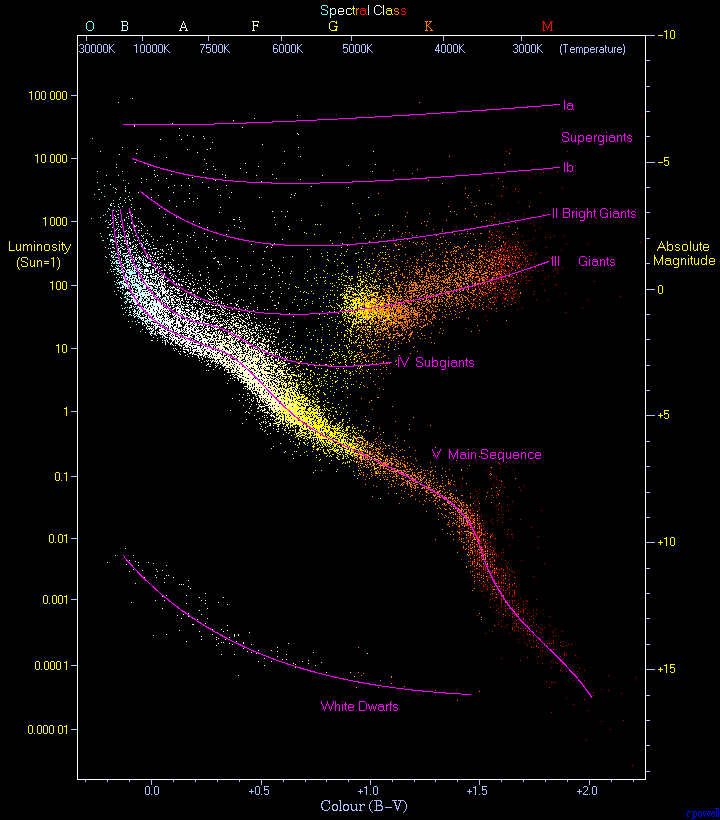
太陽進入主序星階段 Sun Enters Main Sequence

太陽進入主序星階段 / Sun Enters Main Sequence
圖:Richard Powell · CC BY-SA 2.5 · Wikimedia CommonsImage: Richard Powell · CC BY-SA 2.5 · Wikimedia Commons

太陽開始穩定的氫核融合,進入約100億年的主序星階段,提供地球穩定的能量來源。

The Sun began stable hydrogen fusion, entering its ~10 billion year main sequence phase, providing Earth with a stable energy source.

西元前 4580000000 年 astronomy

土星形成 Saturn Forms

土星形成 / Saturn Forms
圖:NASA / JPL / Space Science Institute · Public domain · Wikimedia CommonsImage: NASA / JPL / Space Science Institute · Public domain · Wikimedia Commons

第二大氣態巨行星形成,以壯觀的環狀系統聞名,主要由冰和岩石組成。

The second gas giant forms, famous for its spectacular ring system made of ice and rock.

西元前 4560000000 年 astronomy

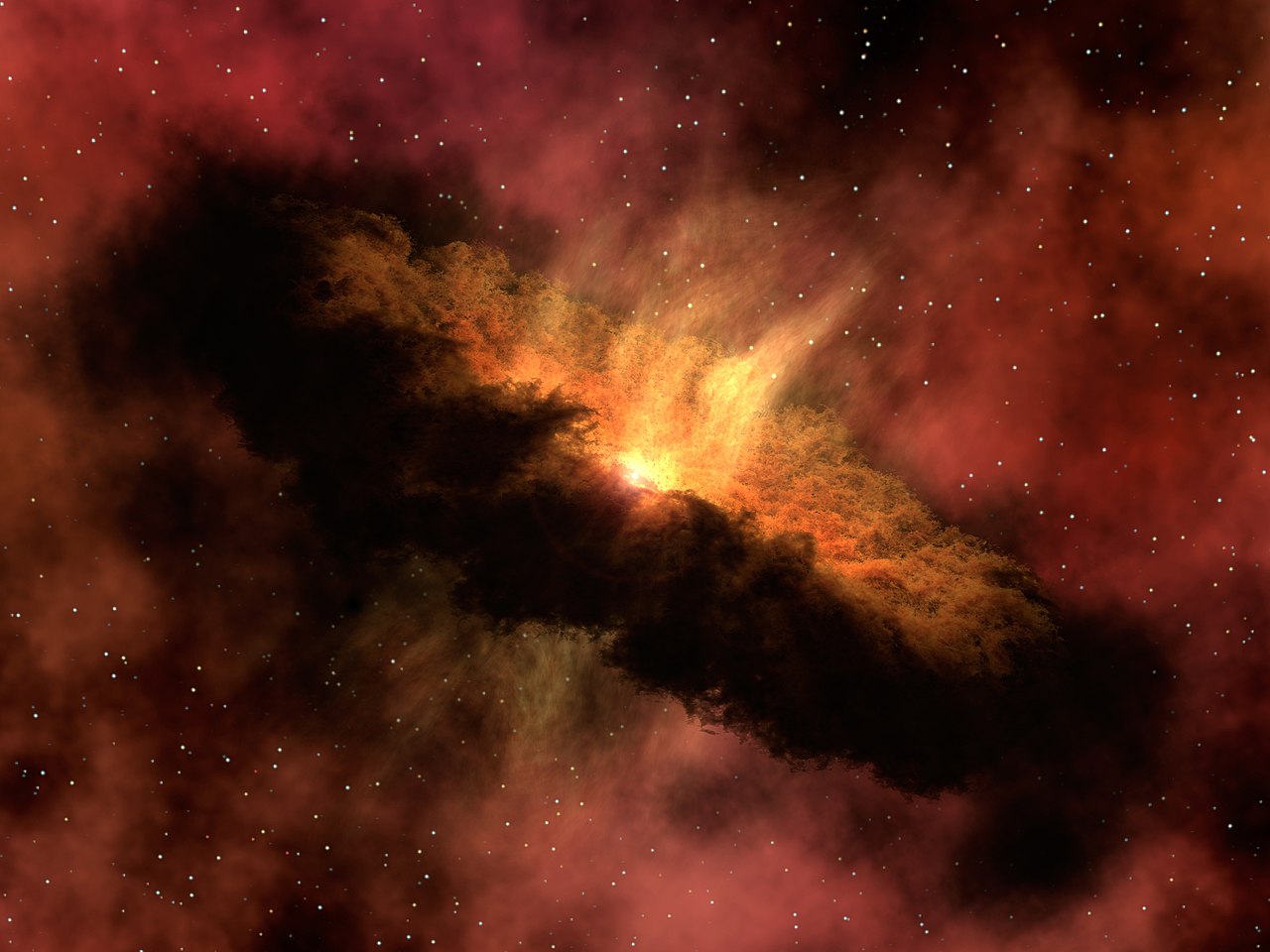
原行星盤形成 Protoplanetary Disk Forms

原行星盤形成 / Protoplanetary Disk Forms
圖:Public domain · Wikimedia CommonsImage: Public domain · Wikimedia Commons

太陽形成後,剩餘氣體和塵埃形成旋轉的原行星盤,是所有行星、小行星和彗星的原材料。

After the Sun formed, remaining gas and dust formed a rotating protoplanetary disk, the raw material for all planets, asteroids and comets.

西元前 4500000000 年 astronomy

火星形成 Mars Forms

火星形成 / Mars Forms
圖:Kevin Gill from Los Angeles, CA, United States · CC BY 2.0 · Wikimedia CommonsImage: Kevin Gill from Los Angeles, CA, United States · CC BY 2.0 · Wikimedia Commons

太陽系第四行星,有古老河床與極冠,是最可能存在外星生命痕跡的行星。

The fourth planet; ancient riverbeds and polar ice caps make it the most likely candidate for extraterrestrial life.

西元前 4500000000 年 astronomy

金星形成 Venus Forms

金星形成 / Venus Forms
圖:NASA/Johns Hopkins University Applied Physics Laboratory/Carnegie Institution of · Public domain · Wikimedia CommonsImage: NASA/Johns Hopkins University Applied Physics Laboratory/Carnegie Institution of · Public domain · Wikimedia Commons

與地球大小相近的孿生行星,但極端溫室效應使表面溫度高達465度,是太陽系最熱的行星。

Earth's twin in size but extreme greenhouse effect makes its surface 465°C — the hottest planet in the solar system.

西元前 4500000000 年 astronomy

海王星形成 Neptune Forms

海王星形成 / Neptune Forms
圖:NASA / Voyager 2 / PDS / OPUS / Ardenau4 · CC0 · Wikimedia CommonsImage: NASA / Voyager 2 / PDS / OPUS / Ardenau4 · CC0 · Wikimedia Commons

太陽系最外層的大行星,風速高達2100公里/小時,擁有太陽系最強烈的風暴。

The outermost major planet; wind speeds up to 2,100 km/h — the most violent storms in the solar system.

西元前 4500000000 年 astronomy

太陽系早期大轟炸 Early Heavy Bombardment

太陽系早期大轟炸 / Early Heavy Bombardment
圖:Timwether · CC BY-SA 3.0 · Wikimedia CommonsImage: Timwether · CC BY-SA 3.0 · Wikimedia Commons

太陽系形成初期,大量小天體互相碰撞,行星表面佈滿撞擊坑

In the early solar system, massive numbers of small bodies collide, cratering planetary surfaces.

西元前 4500000000 年 astronomy

木星大遷移(大飛馳假說) Grand Tack — Jupiter Migration

木星大遷移(大飛馳假說) / Grand Tack — Jupiter Migration
圖:NASA/STSCI (S.T.A.R.S) · Public domain · Wikimedia CommonsImage: NASA/STSCI (S.T.A.R.S) · Public domain · Wikimedia Commons

木星形成後向內遷移至火星軌道附近,又被土星拉回,此過程清空了內太陽系大量物質,解釋了火星偏小的原因。

Jupiter migrated inward toward Mars's orbit before being pulled back by Saturn, sweeping the inner solar system and explaining Mars's small size.

西元前 4400000000 年 astronomy

地球海洋形成(鋯石證據) Earth's Oceans Form (Zircon Evidence)

地球海洋形成(鋯石證據) / Earth's Oceans Form (Zircon Evidence)
圖:Woudloper · CC BY-SA 4.0 · Wikimedia CommonsImage: Woudloper · CC BY-SA 4.0 · Wikimedia Commons

鋯石礦物證據顯示地球表面液態水可能在 44 億年前就存在

Zircon mineral evidence suggests liquid water may have existed on Earth's surface 4.4 billion years ago.

西元前 4200000000 年 astronomy

地球磁場形成 Earth's Magnetic Field Forms

地球磁場形成 / Earth's Magnetic Field Forms
圖:Public domain · Wikimedia CommonsImage: Public domain · Wikimedia Commons

地球液態外核對流產生磁場,保護地球免受太陽風侵蝕,是生命存在的關鍵條件之一。

Convection in Earth's liquid outer core generated a magnetic field, shielding it from solar wind — a key condition for life.

西元前 4100000000 年 astronomy

水星形成 Mercury Forms

水星形成 / Mercury Forms
圖:NASA/Johns Hopkins University Applied Physics Laboratory/Carnegie Institution of · Public domain · Wikimedia CommonsImage: NASA/Johns Hopkins University Applied Physics Laboratory/Carnegie Institution of · Public domain · Wikimedia Commons

太陽系最小、最靠近太陽的行星,可能曾經歷巨大撞擊剝離地殼

The smallest planet and closest to the Sun; may have lost its crust in a giant impact.

西元前 4100000000 年 astronomy

晚期大轟炸 Late Heavy Bombardment

晚期大轟炸 / Late Heavy Bombardment
圖:Timwether · CC BY-SA 3.0 · Wikimedia CommonsImage: Timwether · CC BY-SA 3.0 · Wikimedia Commons

約40億年前,大量小行星密集撞擊地球與月球,可能同時帶來大量水和有機分子。

~4 billion years ago, intense asteroid bombardment; may have delivered water and organic molecules to Earth.

西元前 4000000000 年 astronomy

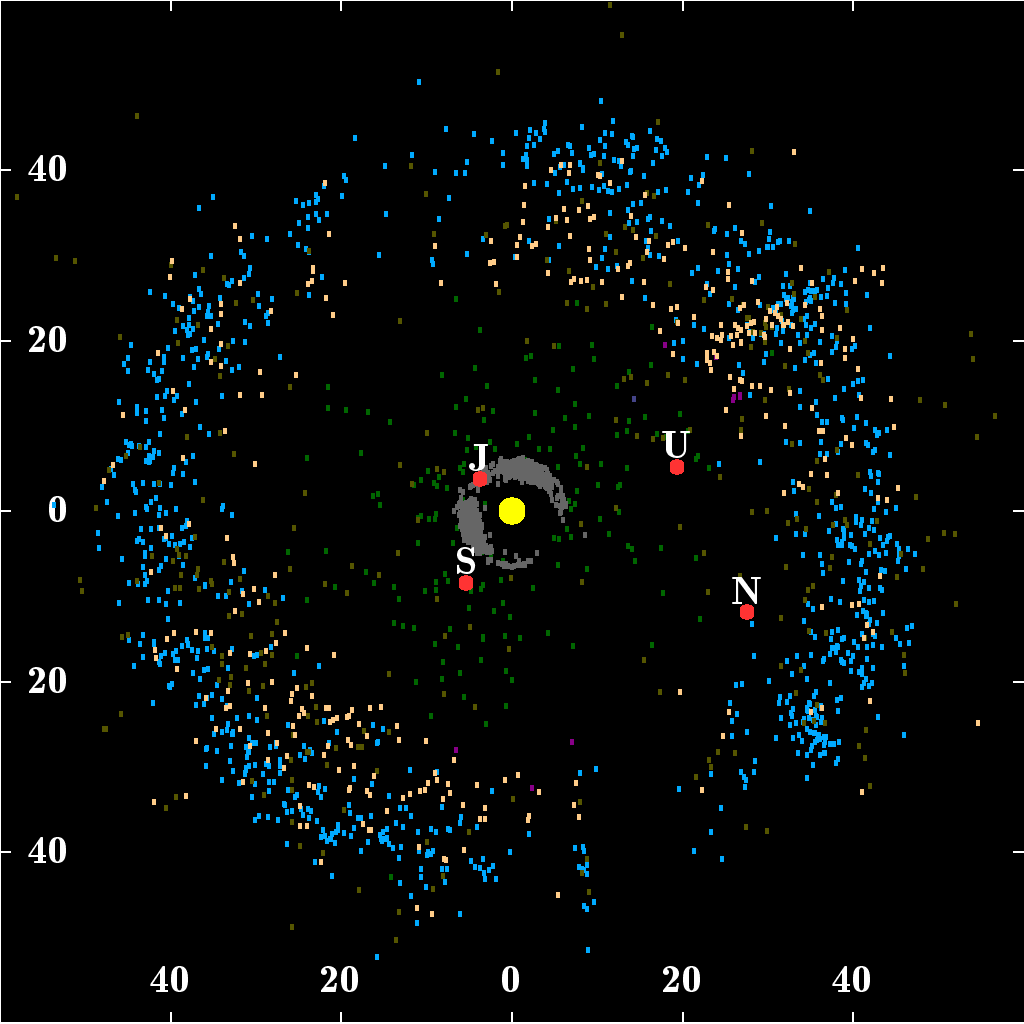
柯伊伯帶形成 Kuiper Belt Forms

柯伊伯帶形成 / Kuiper Belt Forms
圖:WilyD at English Wikipedia · CC BY-SA 3.0 · Wikimedia CommonsImage: WilyD at English Wikipedia · CC BY-SA 3.0 · Wikimedia Commons

海王星軌道外的冰質天體帶形成,是短週期彗星的來源,冥王星是其最大成員。

The belt of icy bodies beyond Neptune's orbit formed, source of short-period comets; Pluto is its largest known member.

西元前 4000000000 年 astronomy

火星磁場消失 Mars Loses Magnetic Field

火星磁場消失 / Mars Loses Magnetic Field
圖:NASA/Univ. of Colorado · Public domain · Wikimedia CommonsImage: NASA/Univ. of Colorado · Public domain · Wikimedia Commons

火星核心冷卻,全球磁場消失,太陽風開始剝離大氣

Mars' core cools, its global magnetic field collapses, and solar wind begins stripping its atmosphere.

西元前 4000000000 年 astronomy

宇宙恆星形成率降至高峰一半 Star Formation Drops to Half Peak

宇宙恆星形成率降至高峰一半 / Star Formation Drops to Half Peak
圖:ESO/R. Maiolino · CC BY 4.0 · Wikimedia CommonsImage: ESO/R. Maiolino · CC BY 4.0 · Wikimedia Commons

宇宙可用氫氣持續消耗,恆星形成速率降至巔峰時期的一半

Available hydrogen continues to deplete; the cosmic star formation rate drops to half its peak value.

西元前 4000000000 年 nature

銀河系中心黑洞・人馬座A* Milky Way Black Hole・Sagittarius A*

銀河系中心黑洞・人馬座A* / Milky Way Black Hole・Sagittarius A*
圖:Original uploader was Serendipodous at en.wikipedia · Public domain · Wikimedia CommonsImage: Original uploader was Serendipodous at en.wikipedia · Public domain · Wikimedia Commons

Supermassive black hole at the center of the Milky Way, ~4 million solar masses.

西元前 3900000000 年 astronomy

行星軌道重組(尼斯模型) Planetary Orbital Reshuffling (Nice Model)

行星軌道重組(尼斯模型) / Planetary Orbital Reshuffling (Nice Model)
圖:en:User:AstroMark · CC BY-SA 3.0 · Wikimedia CommonsImage: en:User:AstroMark · CC BY-SA 3.0 · Wikimedia Commons

外太陽系行星軌道發生大規模重組,海王星和天王星向外遷移,觸發晚期重轟炸期,大量小行星撞擊內太陽系。

Massive reshuffling of outer planet orbits sent Neptune and Uranus outward, triggering the Late Heavy Bombardment.

西元前 3800000000 年 astronomy

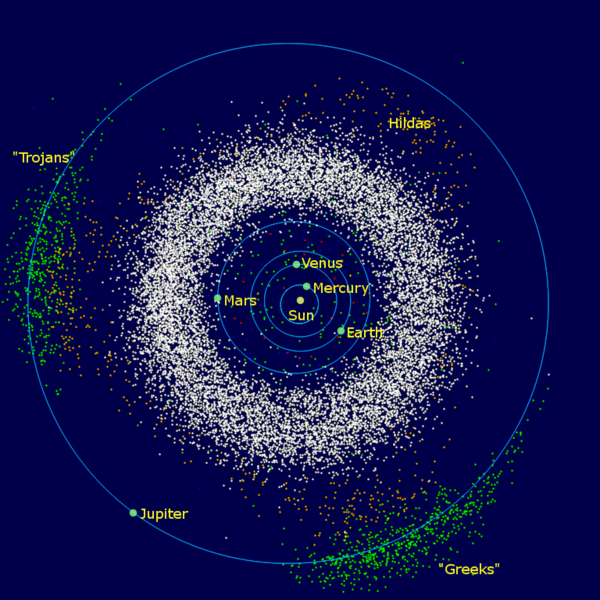
木星特洛伊小行星群穩定 Jupiter Trojan Asteroids Stabilize

木星特洛伊小行星群穩定 / Jupiter Trojan Asteroids Stabilize
圖:Mdf at English Wikipedia · Public domain · Wikimedia CommonsImage: Mdf at English Wikipedia · Public domain · Wikimedia Commons

大量小行星被困在木星軌道的拉格朗日 L4/L5 點

Large numbers of asteroids become trapped at Jupiter's L4/L5 Lagrangian points.

西元前 3500000000 年 astronomy

銀河系薄盤旋臂結構成熟 Thin Disk Spiral Structure Matures

銀河系薄盤旋臂結構成熟 / Thin Disk Spiral Structure Matures
圖:User:Rursus · CC BY-SA 3.0 · Wikimedia CommonsImage: User:Rursus · CC BY-SA 3.0 · Wikimedia Commons

薄盤中的旋臂結構完全成熟,類似今日所見的壯觀旋臂

Spiral arm structure in the thin disk fully matures into the grand design we see today.

西元前 3500000000 年 astronomy

木星遷移到現在軌道 Jupiter Settles Into Current Orbit

木星遷移到現在軌道 / Jupiter Settles Into Current Orbit
圖:NASA, ESA, Jupiter ERS Team; image processing by Ricardo Hueso (UPV/EHU) and Jud · CC BY 4.0 · Wikimedia CommonsImage: NASA, ESA, Jupiter ERS Team; image processing by Ricardo Hueso (UPV/EHU) and Jud · CC BY 4.0 · Wikimedia Commons

木星經過大遷移後穩定在距太陽 5.2 AU 的軌道

After the Grand Tack migration, Jupiter settles into its current orbit at 5.2 AU from the Sun.

西元前 3000000000 年 astronomy

火星大氣層大量流失 Mars Atmosphere Largely Lost

火星大氣層大量流失 / Mars Atmosphere Largely Lost
圖:NASA/Univ. of Colorado · Public domain · Wikimedia CommonsImage: NASA/Univ. of Colorado · Public domain · Wikimedia Commons

失去磁場保護後,太陽風持續剝離火星大氣,火星變為寒冷荒漠

Without magnetic field protection, solar wind strips Mars' atmosphere; Mars becomes a cold desert.

西元前 2500000000 年 astronomy

土星衛星系統穩定 Saturn Moon System Stabilizes

土星衛星系統穩定 / Saturn Moon System Stabilizes
圖:Kevin Gill from Los Angeles, CA, United States · CC BY 2.0 · Wikimedia CommonsImage: Kevin Gill from Los Angeles, CA, United States · CC BY 2.0 · Wikimedia Commons

泰坦、恩克拉多斯等主要衛星軌道穩定,泰坦發展出濃厚大氣

Titan, Enceladus and other major moons stabilize; Titan develops a thick atmosphere.

西元前 2000000000 年 astronomy

橢圓星系停止造星(紅與死) Elliptical Galaxies Stop Forming Stars

橢圓星系停止造星(紅與死) / Elliptical Galaxies Stop Forming Stars
圖:NASA/ESA/Hubble Space Telescope · Public domain · Wikimedia CommonsImage: NASA/ESA/Hubble Space Telescope · Public domain · Wikimedia Commons

大量橢圓星系耗盡氣體停止造星,呈現紅色的老年恆星群

Many elliptical galaxies exhaust their gas and stop forming stars, becoming 'red and dead'.

西元前 2000000000 年 astronomy

大小麥哲倫雲被銀河系捕獲 Magellanic Clouds Captured

大小麥哲倫雲被銀河系捕獲 / Magellanic Clouds Captured
圖:ESO/S. Brunier · CC BY 4.0 · Wikimedia CommonsImage: ESO/S. Brunier · CC BY 4.0 · Wikimedia Commons

大小麥哲倫雲成為銀河系衛星星系,麥哲倫星流形成

The Large and Small Magellanic Clouds become satellite galaxies; the Magellanic Stream forms.

西元前 1000000000 年 astronomy

人馬座矮星系碰撞・旋臂加強 Sagittarius Dwarf Collision・Arms Strengthened

人馬座矮星系碰撞・旋臂加強 / Sagittarius Dwarf Collision・Arms Strengthened
圖:European Space Agency · CC BY-SA 3.0 igo · Wikimedia CommonsImage: European Space Agency · CC BY-SA 3.0 igo · Wikimedia Commons

人馬座矮橢球星系多次穿越銀河盤面,每次碰撞都加強旋臂結構

Sagittarius Dwarf Galaxy repeatedly passes through the Milky Way disk, strengthening spiral arms with each collision.

西元前 1000000000 年 astronomy

宇宙膨脹速度持續加快 Expansion Rate Continues Accelerating

宇宙膨脹速度持續加快 / Expansion Rate Continues Accelerating
圖:User:Coldcreation · CC BY-SA 3.0 · Wikimedia CommonsImage: User:Coldcreation · CC BY-SA 3.0 · Wikimedia Commons

暗能量持續主導,遠處星系退行速度越來越快

Dark energy continues to dominate; distant galaxies recede at ever-increasing speeds.

西元前 800000000 年 astronomy

土星環形成 Saturn's Rings Form

土星環形成 / Saturn's Rings Form
圖:NASA / JPL-Caltech / Space Science Institute · Public domain · Wikimedia CommonsImage: NASA / JPL-Caltech / Space Science Institute · Public domain · Wikimedia Commons

最新研究顯示土星環可能僅 1~4 億年,遠比土星本身年輕

Recent research suggests Saturn's rings may be only 100-400 million years old, far younger than Saturn itself.

西元前 500000000 年 astronomy

小行星帶穩定 Asteroid Belt Stabilizes

小行星帶穩定 / Asteroid Belt Stabilizes
圖:Mdf at English Wikipedia · Public domain · Wikimedia CommonsImage: Mdf at English Wikipedia · Public domain · Wikimedia Commons

木星與火星間的小行星帶在木星重力影響下最終穩定

The asteroid belt between Jupiter and Mars finally stabilizes under Jupiter's gravitational influence.

西元前 500000000 年 astronomy

宇宙空洞持續擴大 Cosmic Voids Continue Expanding

宇宙空洞持續擴大 / Cosmic Voids Continue Expanding
圖:NASA, ESA, and E. Hallman (University of Colorado, Boulder) · Public domain · Wikimedia CommonsImage: NASA, ESA, and E. Hallman (University of Colorado, Boulder) · Public domain · Wikimedia Commons

星系團之間的巨大空洞持續擴張,最大的牧夫座空洞直徑 3.3 億光年

Vast voids between galaxy clusters keep expanding; the Boötes Void spans 330 million light-years.

西元前 500000000 年 astronomy

銀河系獵戶臂形成 Orion Arm Forms

銀河系獵戶臂形成 / Orion Arm Forms
圖:File:Artist’s impression of the Milky Way.jpg: NASA/JPL-Caltech/ESO/R. Hurt deri · Public domain · Wikimedia CommonsImage: File:Artist’s impression of the Milky Way.jpg: NASA/JPL-Caltech/ESO/R. Hurt deri · Public domain · Wikimedia Commons

太陽所在的獵戶臂(本地臂)從英仙臂分支形成

The Orion Arm (Local Arm) where our Sun resides branches off from the Perseus Arm.

西元前 400000000 年 astronomy

月球火山活動停止 Lunar Volcanism Ceases

月球火山活動停止 / Lunar Volcanism Ceases
圖:NASA/Colorado School of Mines/MIT/GSFC/Scientific Visualization Studio · Public domain · Wikimedia CommonsImage: NASA/Colorado School of Mines/MIT/GSFC/Scientific Visualization Studio · Public domain · Wikimedia Commons

月球內部冷卻,最後的火山活動停止,月海不再有新的熔岩流

The Moon's interior cools; final volcanic activity ceases, and no new lava flows fill the maria.

西元前 250000000 年 astronomy

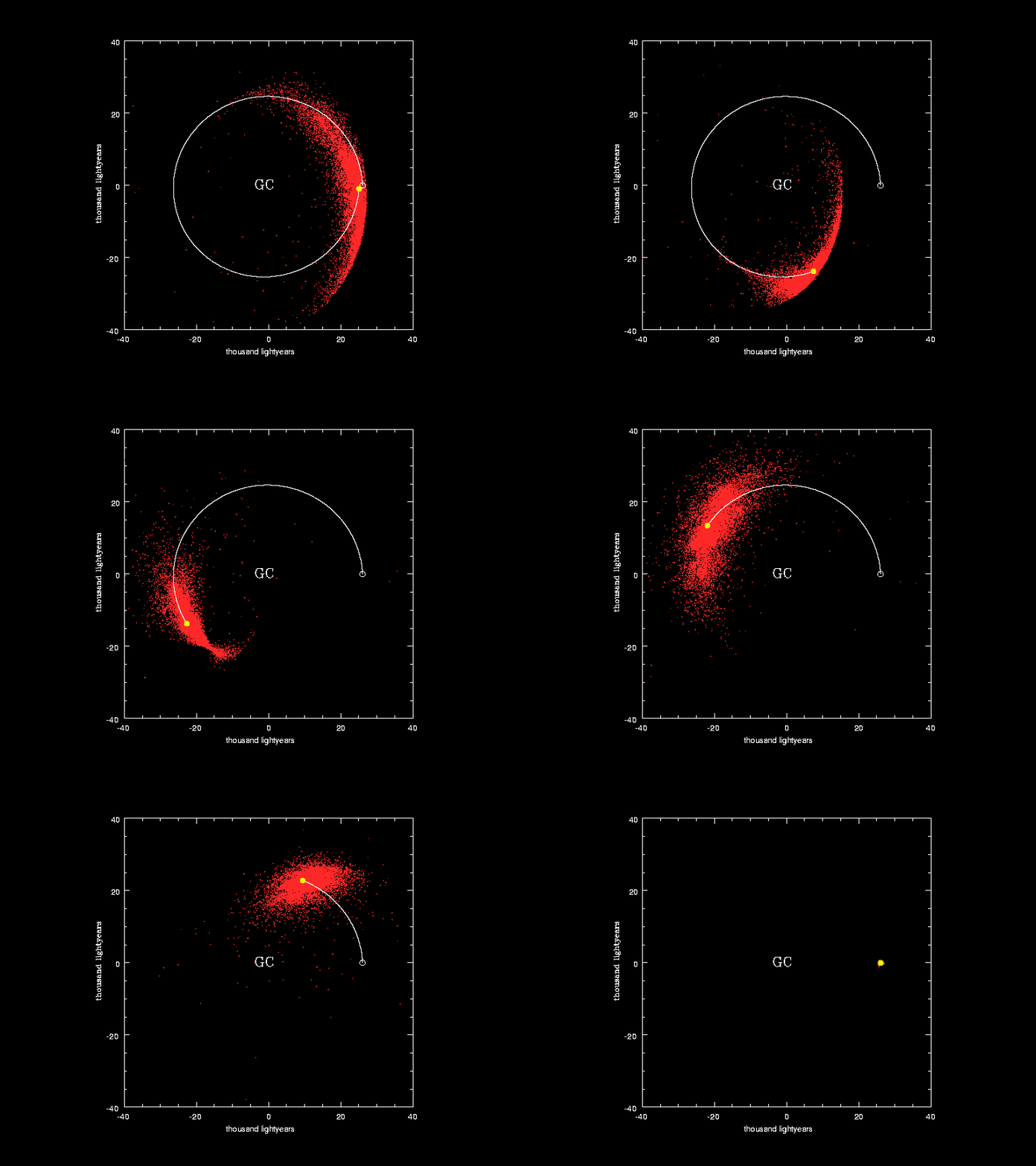
太陽繞銀河系一圈(銀河年) One Galactic Year Ago

太陽繞銀河系一圈(銀河年) / One Galactic Year Ago
圖:ESO, European Southern Observatory · CC BY 4.0 · Wikimedia CommonsImage: ESO, European Southern Observatory · CC BY 4.0 · Wikimedia Commons

太陽每 2.25 億年繞銀河系中心一圈,此時恰好是一個銀河年前

The Sun takes 225 million years to orbit the galactic center; this marks exactly one galactic year ago.

西元前 200000000 年 astronomy

人馬座矮星系第二次穿越銀河盤 Sagittarius Dwarf Second Disk Passage

人馬座矮星系第二次穿越銀河盤 / Sagittarius Dwarf Second Disk Passage
圖:European Space Agency · CC BY-SA 3.0 igo · Wikimedia CommonsImage: European Space Agency · CC BY-SA 3.0 igo · Wikimedia Commons

人馬座矮星系再次穿越銀河盤面,觸發新一輪恆星形成

Sagittarius Dwarf passes through the Milky Way disk again, triggering a new round of star formation.

西元前 100000000 年 astronomy

拉尼亞凱亞超星系團結構穩定 Laniakea Supercluster Stabilizes

拉尼亞凱亞超星系團結構穩定 / Laniakea Supercluster Stabilizes
圖:Andrew Z. Colvin · CC BY-SA 4.0 · Wikimedia CommonsImage: Andrew Z. Colvin · CC BY-SA 4.0 · Wikimedia Commons

包含銀河系在內的超星系團結構趨於穩定,跨越 5 億光年

The supercluster containing the Milky Way stabilizes, spanning 500 million light-years.

西元前 100000000 年 astronomy

月球最後大型撞擊(第谷坑) Last Major Lunar Impact (Tycho Crater)

月球最後大型撞擊(第谷坑) / Last Major Lunar Impact (Tycho Crater)
圖:NASA · Public domain · Wikimedia CommonsImage: NASA · Public domain · Wikimedia Commons

直徑 85 公里的第谷坑形成,是月球上最年輕的大型撞擊坑之一

85km-wide Tycho crater forms, one of the youngest large impact craters on the Moon.

西元前 65000000 年 astronomy

希克蘇魯伯小行星撞擊 Chicxulub Asteroid Impact

希克蘇魯伯小行星撞擊 / Chicxulub Asteroid Impact
圖:NASA/JPL-Caltech, modified b · Public domain · Wikimedia CommonsImage: NASA/JPL-Caltech, modified b · Public domain · Wikimedia Commons

10 公里小行星撞擊墨西哥灣,導致恐龍滅絕與白堊紀結束

A 10km asteroid strikes the Gulf of Mexico, causing the dinosaur extinction and ending the Cretaceous.

相關主軸:Related axes:恐龍Dinosaurs
西元前 50000000 年 astronomy

本地泡形成 Local Bubble Forms

本地泡形成 / Local Bubble Forms
圖:Kevin Jardine at galaxymap.org. See the README pdf at File:Map production detail · CC BY 4.0 · Wikimedia CommonsImage: Kevin Jardine at galaxymap.org. See the README pdf at File:Map production detail · CC BY 4.0 · Wikimedia Commons

多次超新星爆炸在太陽周圍清出一個直徑 1000 光年的低密度氣泡

Multiple supernovae clear a 1000-light-year low-density bubble around the Sun.

西元前 10000000 年 astronomy

太陽進入獵戶臂現在位置 Sun Enters Current Orion Arm Position

太陽進入獵戶臂現在位置 / Sun Enters Current Orion Arm Position
圖:Jim slater307 · CC BY-SA 4.0 · Wikimedia CommonsImage: Jim slater307 · CC BY-SA 4.0 · Wikimedia Commons

太陽繞銀河系中心運行,抵達獵戶臂內側邊緣的現在位置

The Sun, orbiting the galactic center, arrives at its current position on the inner edge of the Orion Arm.

西元前 5000000 年 astronomy

歐特雲彗星週期性擾動 Oort Cloud Periodic Perturbation

歐特雲彗星週期性擾動 / Oort Cloud Periodic Perturbation
圖:NASA This SVG image was created by Medium69. Cette image SVG a été créée p · Public domain · Wikimedia CommonsImage: NASA This SVG image was created by Medium69. Cette image SVG a été créée p · Public domain · Wikimedia Commons

經過恆星或銀河潮汐力週期性擾動歐特雲,將彗星送入內太陽系

Passing stars or galactic tides periodically perturb the Oort Cloud, sending comets into the inner solar system.

西元前 2500000 年 astronomy

近地超新星觸發冰河期 Nearby Supernova May Trigger Ice Age

近地超新星觸發冰河期 / Nearby Supernova May Trigger Ice Age
圖:NASA, ESA, J. Hester and A. Loll (Arizona State University) · Public domain · Wikimedia CommonsImage: NASA, ESA, J. Hester and A. Loll (Arizona State University) · Public domain · Wikimedia Commons

距地球約 150 光年的超新星爆炸,可能影響地球氣候並觸發冰河期

A supernova ~150 light-years from Earth may have affected climate and triggered glaciation.

西元前 50000 年 astronomy

巴林傑隕石坑 Barringer Meteor Crater

巴林傑隕石坑 / Barringer Meteor Crater
圖:National Map Seamless Server · Public domain · Wikimedia CommonsImage: National Map Seamless Server · Public domain · Wikimedia Commons

亞利桑那州直徑 1.2 公里的撞擊坑,地球上保存最完好的隕石坑

A 1.2km diameter impact crater in Arizona, the best-preserved meteorite crater on Earth.

近代 · 3 條事件 Early Modern · 3 events

1610 年 2 月 science

Galileo 望遠鏡觀測·《星際信使》 Galileo's Sidereus Nuncius

Galileo 望遠鏡觀測·《星際信使》 / Galileo's Sidereus Nuncius
圖:Public domain · Wikimedia CommonsImage: Public domain · Wikimedia Commons

1610/3/13 Galileo 出版《星際信使》,公開望遠鏡發現木星 4 衛星、月球山脈、金星相位,驗證 Copernicus 體系。

On Mar 13, 1610, Galileo published Sidereus Nuncius revealing Jupiter's 4 moons, lunar mountains, and Venus phases—empirical support for Copernicus.

相關主軸:Related axes:義大利Italy宇宙Cosmos伽利略·望遠鏡發現Galileo · Telescope

現代 · 29 條事件 Modern · 29 events

1903 年 science

Tsiolkovsky 火箭方程式 Tsiolkovsky Rocket Equation

Tsiolkovsky 火箭方程式 / Tsiolkovsky Rocket Equation
圖:Unknown author · Public domain · Wikimedia CommonsImage: Unknown author · Public domain · Wikimedia Commons

聾啞數學教師 Konstantin Tsiolkovsky 發表《探索宇宙空間的反作用力裝置》,建立火箭運動方程式 Δv = ve · ln(m0/m1)。預言液體燃料火箭、太空站、太空電梯。是太空飛行理論奠基人,後世蘇聯太空計畫的精神導師。

Deaf-mute math teacher Konstantin Tsiolkovsky published 'Exploration of Outer Space by Means of Reaction Devices,' establishing the rocket equation Δv = ve · ln(m0/m1). He predicted liquid-fuel rockets, space stations, and space elevators — the founder of astronautics theory and spiritual mentor of the Soviet space program.

相關主軸:Related axes:宇宙Cosmos歐洲Europe跨文明Cross-Civilization
1908 年 5 月 politics

通古斯大爆炸·史上最大隕石事件 Tunguska Event

通古斯大爆炸·史上最大隕石事件 / Tunguska Event
圖:Leonid Kulik, the expedition to the Tunguska event · Public domain · Wikimedia CommonsImage: Leonid Kulik, the expedition to the Tunguska event · Public domain · Wikimedia Commons

6 月 30 日西伯利亞通古斯河上空小行星(或彗星)空爆,估 10-15 百萬噸 TNT 當量(≈1000 顆廣島彈)。摧毀 2000 平方公里森林,是人類有紀錄以來最大天體撞擊事件。偏遠無人居,奇蹟無人死亡。

On June 30, an asteroid (or comet) airburst over the Tunguska River, Siberia — estimated 10-15 megatons TNT (~1,000 Hiroshimas). It flattened 2,000 km² of forest, the largest recorded impact event in history. The remote location meant miraculously no deaths.

相關主軸:Related axes:俄羅斯Russia宇宙Cosmos科學技術Science & Tech
1930 年 science

冥王星發現 Pluto Discovered

冥王星發現 / Pluto Discovered
圖:NASA/Johns Hopkins University Applied Physics Laboratory/Southwest Research Inst · Public domain · Wikimedia CommonsImage: NASA/Johns Hopkins University Applied Physics Laboratory/Southwest Research Inst · Public domain · Wikimedia Commons

Clyde Tombaugh discovers Pluto in 1930, considered the ninth planet for 76 years.

1957 年 7 月 science

R-7 火箭·史上首枚 ICBM R-7 Rocket — First ICBM

R-7 火箭·史上首枚 ICBM / R-7 Rocket — First ICBM
圖:Heriberto Arribas Abato · CC BY-SA 3.0 · Wikimedia CommonsImage: Heriberto Arribas Abato · CC BY-SA 3.0 · Wikimedia Commons

8 月 21 日 Korolev 設計的 R-7 在 Baikonur 試射成功,是史上首枚洲際彈道飛彈。射程 8800 公里、可載熱核彈頭打擊美國本土。10 月就用同型火箭送 Sputnik 上太空。冷戰戰略平衡的根本改變。

On August 21, Korolev's R-7 successfully launched from Baikonur — the world's first intercontinental ballistic missile. Range 8,800 km, capable of delivering thermonuclear warheads to the US mainland. In October, the same rocket type launched Sputnik. The Cold War strategic balance fundamentally shifted.

相關主軸:Related axes:宇宙Cosmos中亞/北亞Central Asia跨文明Cross-Civilization
1957 年 9 月 science

Sputnik 1·史上首顆人造衛星 Sputnik 1 — First Artificial Satellite

Sputnik 1·史上首顆人造衛星 / Sputnik 1 — First Artificial Satellite
圖:U.S. Air Force photo · Public domain · Wikimedia CommonsImage: U.S. Air Force photo · Public domain · Wikimedia Commons

10 月 4 日 R-7 火箭從 Baikonur 將 Sputnik 1(直徑 58 cm 鋁球)送入軌道。每 96 分鐘繞地球一圈,發送 21 天嗶嗶聲。震驚全美「Sputnik 危機」促成 NASA 成立(1958)、教育改革、太空競賽開始。

On October 4, the R-7 rocket from Baikonur launched Sputnik 1 (a 58-cm aluminum ball) into orbit. It circled Earth every 96 minutes, transmitting beeps for 21 days. The 'Sputnik crisis' shocked America, triggering NASA's founding (1958), education reform, and the Space Race.

相關主軸:Related axes:宇宙Cosmos冷戰·初期Cold War · Early (1947-1962)跨文明Cross-Civilization
1959 年 10 月 science

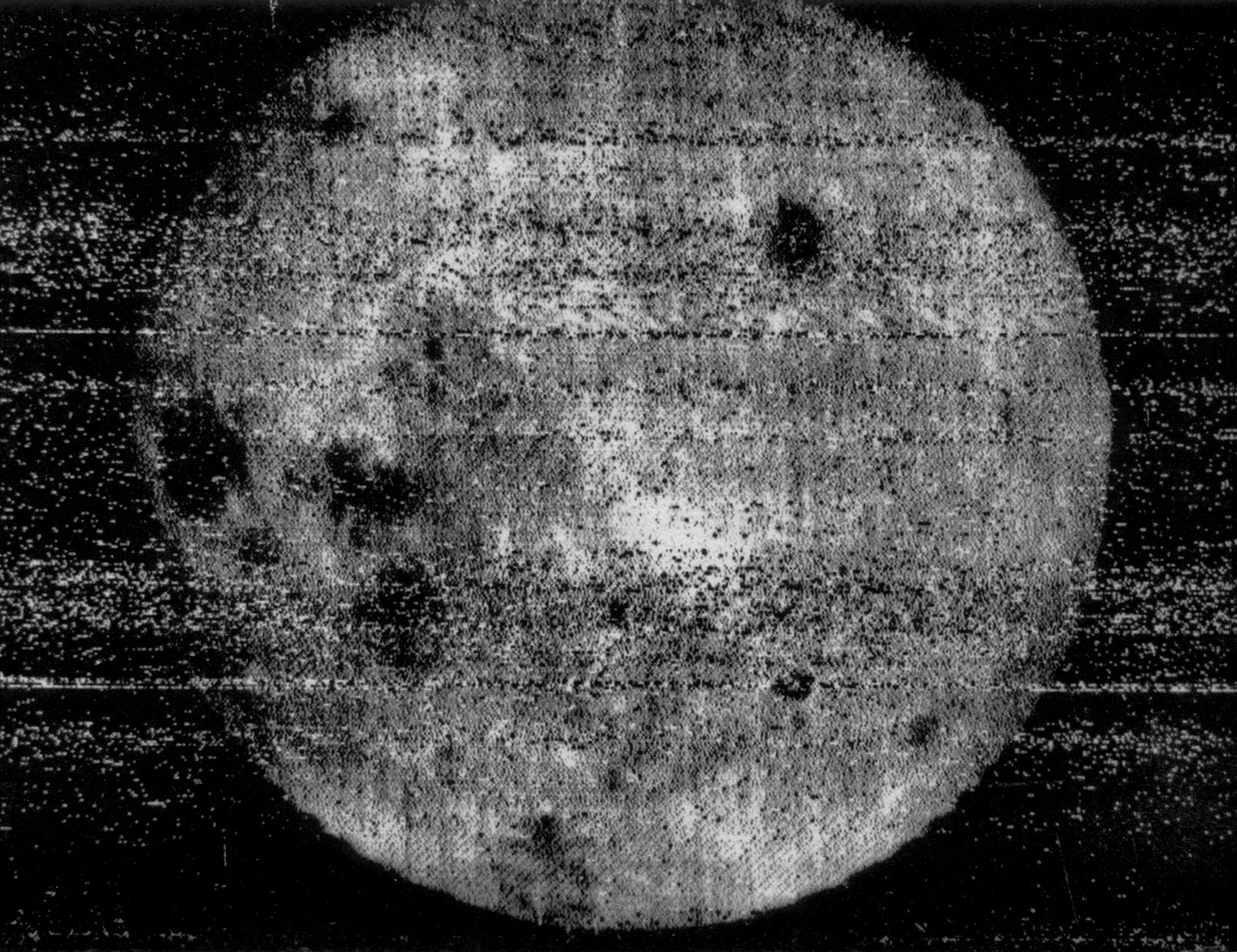
Luna 3·首拍月球背面 Luna 3 — First Photos of Far Side of Moon

Luna 3·首拍月球背面 / Luna 3 — First Photos of Far Side of Moon
圖:OKB-1 · Public domain · Wikimedia CommonsImage: OKB-1 · Public domain · Wikimedia Commons

10 月 4-7 日(Sputnik 兩週年)Luna 3 飛掠月球背面,首次拍攝人類從未見過的另一半月球。29 張照片質量粗糙但歷史性。從此月背地名以蘇聯科學家為主:Lomonosov、Mendeleev、Tsiolkovsky 隕石坑。

On October 4-7 (the second anniversary of Sputnik), Luna 3 flew past the Moon and took the first-ever photographs of the lunar far side — the half humanity had never seen. 29 grainy but historic images. Lunar far-side features now bear Soviet scientists' names: Lomonosov, Mendeleev, Tsiolkovsky craters.

相關主軸:Related axes:宇宙Cosmos地球Earth跨文明Cross-Civilization
1961 年 3 月 science

Gagarin·首位太空人 Yuri Gagarin — First Human in Space

Gagarin·首位太空人 / Yuri Gagarin — First Human in Space
圖:Александр Моклецов / СовИнформБюро · CC BY 4.0 · Wikimedia CommonsImage: Александр Моклецов / СовИнформБюро · CC BY 4.0 · Wikimedia Commons

4 月 12 日 27 歲蘇聯空軍上尉 Yuri Gagarin 搭 Vostok 1 飛船升空,108 分鐘繞地球一圈。「Поехали!」(我們走吧)成名言。是人類首次太空飛行,蘇聯太空競賽再勝一場,Gagarin 成全球巨星。

On April 12, 27-year-old Soviet Air Force lieutenant Yuri Gagarin launched aboard Vostok 1, orbiting Earth in 108 minutes. His 'Поехали!' (Let's go!) became iconic. The first human spaceflight — another Soviet Space Race victory; Gagarin became a global icon.

相關主軸:Related axes:宇宙Cosmos美洲Americas跨文明Cross-Civilization
1965 年 3 月 science

Leonov·首次太空漫步 Leonov's First Spacewalk

Leonov·首次太空漫步 / Leonov's First Spacewalk
圖:This image or video was catalogued by Lyndon B. Johnson Space Center of the Unit · Public domain · Wikimedia CommonsImage: This image or video was catalogued by Lyndon B. Johnson Space Center of the Unit · Public domain · Wikimedia Commons

3 月 18 日 Alexei Leonov 從 Voskhod 2 出艙,是人類首次太空漫步(EVA),12 分 9 秒。但艙外服膨脹差點回不去,緊急洩壓才擠回艙。冷戰太空競賽蘇聯再奪一勝。

On March 18, Alexei Leonov stepped out of Voskhod 2 — humanity's first spacewalk (EVA), lasting 12 minutes 9 seconds. His suit ballooned dangerously; only an emergency pressure release allowed him to squeeze back in. Another Soviet Space Race triumph.

相關主軸:Related axes:宇宙Cosmos美洲Americas跨文明Cross-Civilization
1967 年 4 月 science

Soyuz 系列·至今最可靠載人飛船 Soyuz Spacecraft Program

Soyuz 系列·至今最可靠載人飛船 / Soyuz Spacecraft Program
圖:CactiStaccingCrane · CC0 · Wikimedia CommonsImage: CactiStaccingCrane · CC0 · Wikimedia Commons

4 月 23 日 Soyuz 1 首飛(雖墜毀殉職首位太空人),但開啟 60 年延續至今的 Soyuz 計畫。150+ 次飛行、史上最可靠載人太空船。1975 阿波羅-Soyuz 對接、Mir + ISS 主要交通工具。Sputnik 之後蘇/俄太空計畫主軸。

On April 23, Soyuz 1 first flew (though it crashed killing its cosmonaut), launching the 60-year Soyuz program continuing today. 150+ flights, the most reliable crewed spacecraft in history. Apollo-Soyuz docking 1975, primary transport for Mir and ISS. The backbone of Soviet/Russian human spaceflight.

相關主軸:Related axes:宇宙Cosmos美洲Americas跨文明Cross-Civilization
1969 年 7 月 science

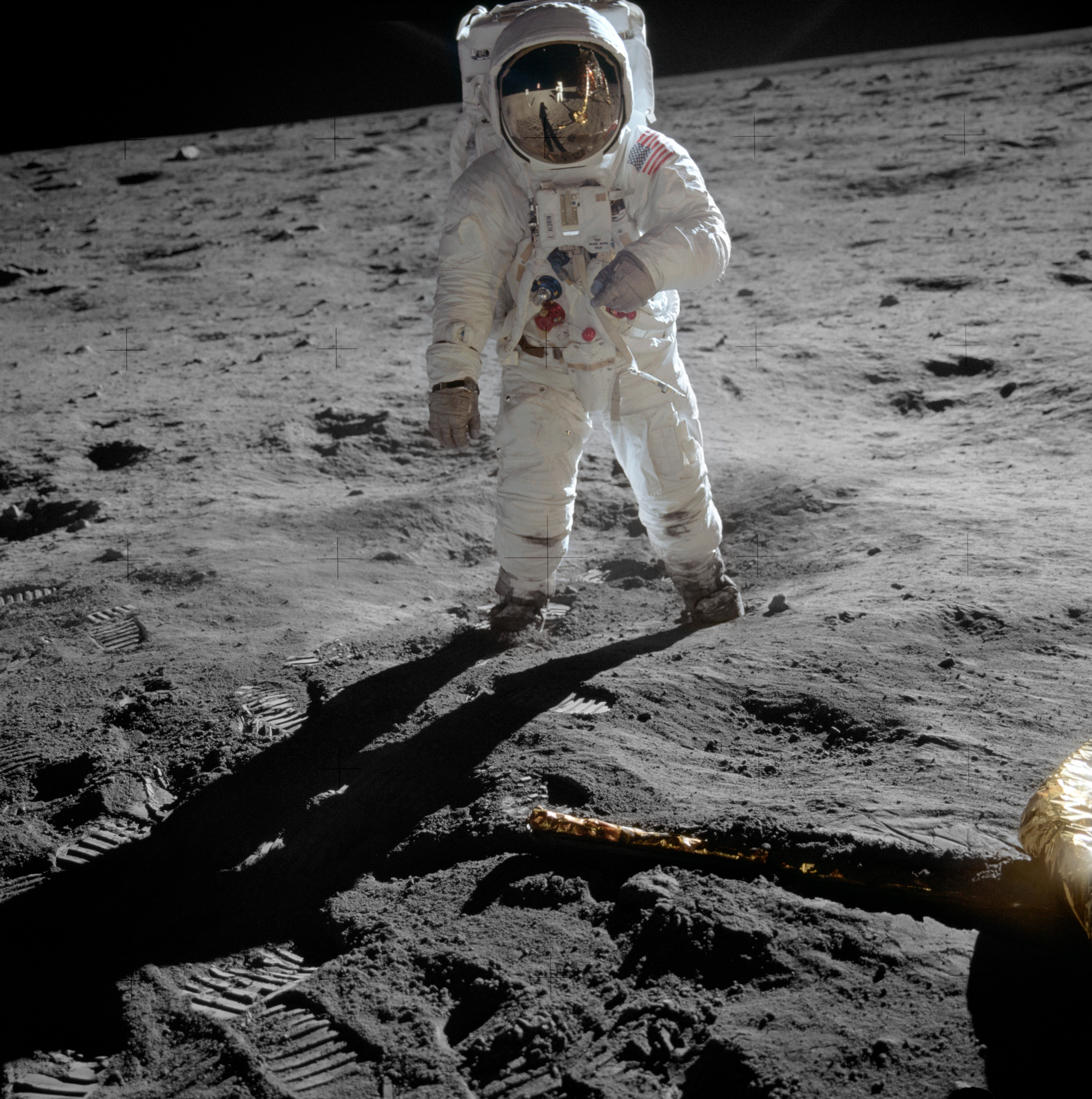
Apollo 11 登月·太空競賽勝 Apollo 11 Moon Landing

Apollo 11 登月·太空競賽勝 / Apollo 11 Moon Landing
圖:Neil Armstrong · Public domain · Wikimedia CommonsImage: Neil Armstrong · Public domain · Wikimedia Commons

1969/7/20 Armstrong 與 Aldrin 成首批踏月人類,美贏太空競賽,「One small step」成世紀名句。

On Jul 20, 1969, Armstrong and Aldrin became the first humans on the Moon, winning the Space Race; 'One small step…' was the century's iconic line.

相關主軸:Related axes:美國USA科學技術Science & Tech宇宙Cosmos
1970 年 11 月 science

Venera 7·首次降落另一行星 Venera 7 — First Soft Landing on Another Planet

Venera 7·首次降落另一行星 / Venera 7 — First Soft Landing on Another Planet
圖:Emerezhko · CC BY-SA 4.0 · Wikimedia CommonsImage: Emerezhko · CC BY-SA 4.0 · Wikimedia Commons

12 月 15 日 Venera 7 在金星表面成功軟著陸,是人類首次在另一顆行星(地球以外)實現軟著陸並回傳資料(23 分鐘)。確認金星表面溫度 475°C、氣壓 90 atm。蘇聯金星探測領先美國甚多。

On December 15, Venera 7 made the first-ever soft landing on another planet, transmitting data from Venus's surface for 23 minutes. It confirmed surface temperature of 475°C and pressure of 90 atmospheres. The USSR led the US substantially in Venus exploration.

相關主軸:Related axes:宇宙Cosmos地球Earth跨文明Cross-Civilization
1971 年 4 月 science

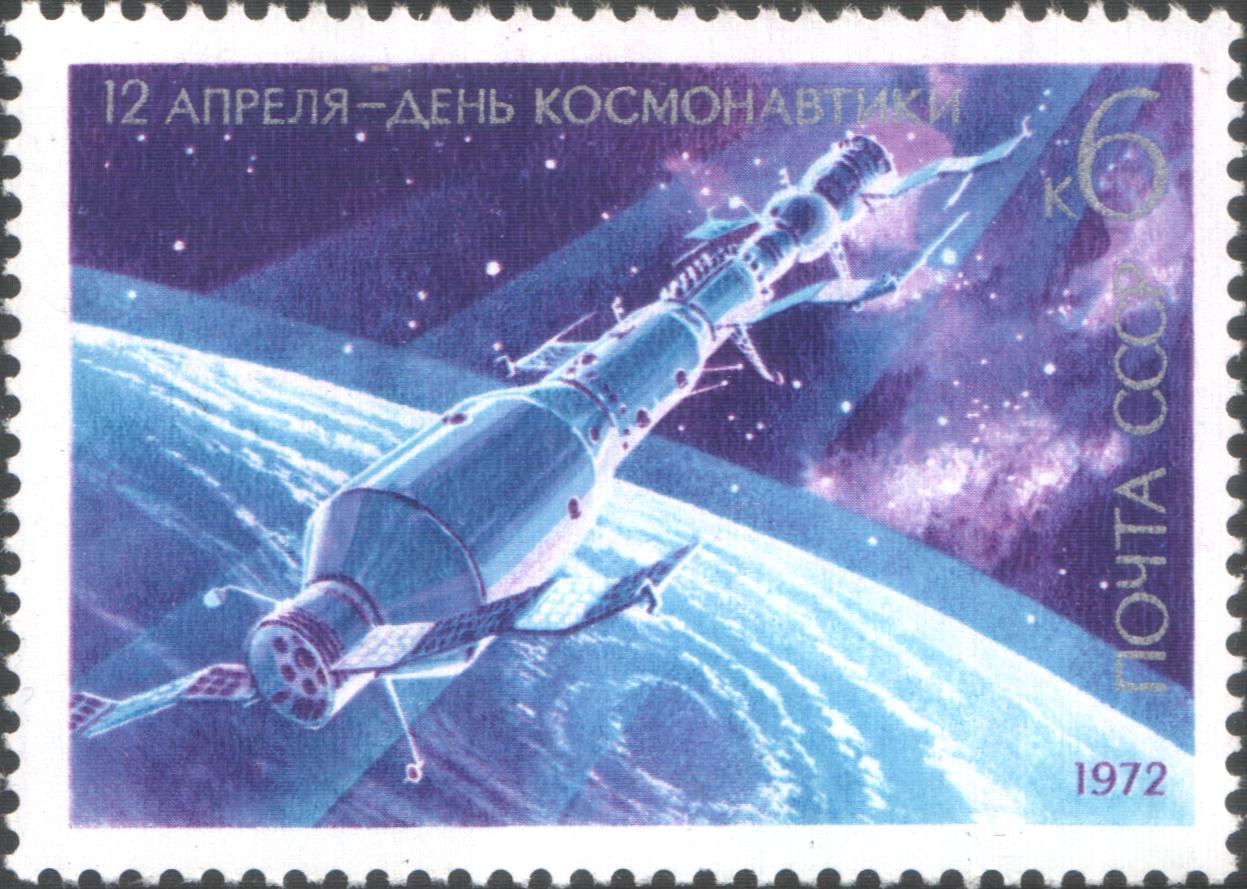
Salyut 1·史上首座太空站 Salyut 1 — First Space Station

Salyut 1·史上首座太空站 / Salyut 1 — First Space Station
圖:USSR Post · Public domain · Wikimedia CommonsImage: USSR Post · Public domain · Wikimedia Commons

4 月 19 日 Salyut 1 升空,是史上第一座太空站。可容 3 人 23 天。Soyuz 11 太空人完成首次太空站任務但返航時氣閥失效,3 人窒息死亡。Salyut 計畫共 7 個太空站延續至 1986 Mir。

On April 19, Salyut 1 launched — the first space station in history. It could host 3 people for 23 days. Soyuz 11 cosmonauts completed the first space station mission but died of asphyxiation when a valve failed during return. The Salyut program eventually built 7 stations through 1986, leading to Mir.

相關主軸:Related axes:宇宙Cosmos美洲Americas跨文明Cross-Civilization
1976 年 7 月 exploration

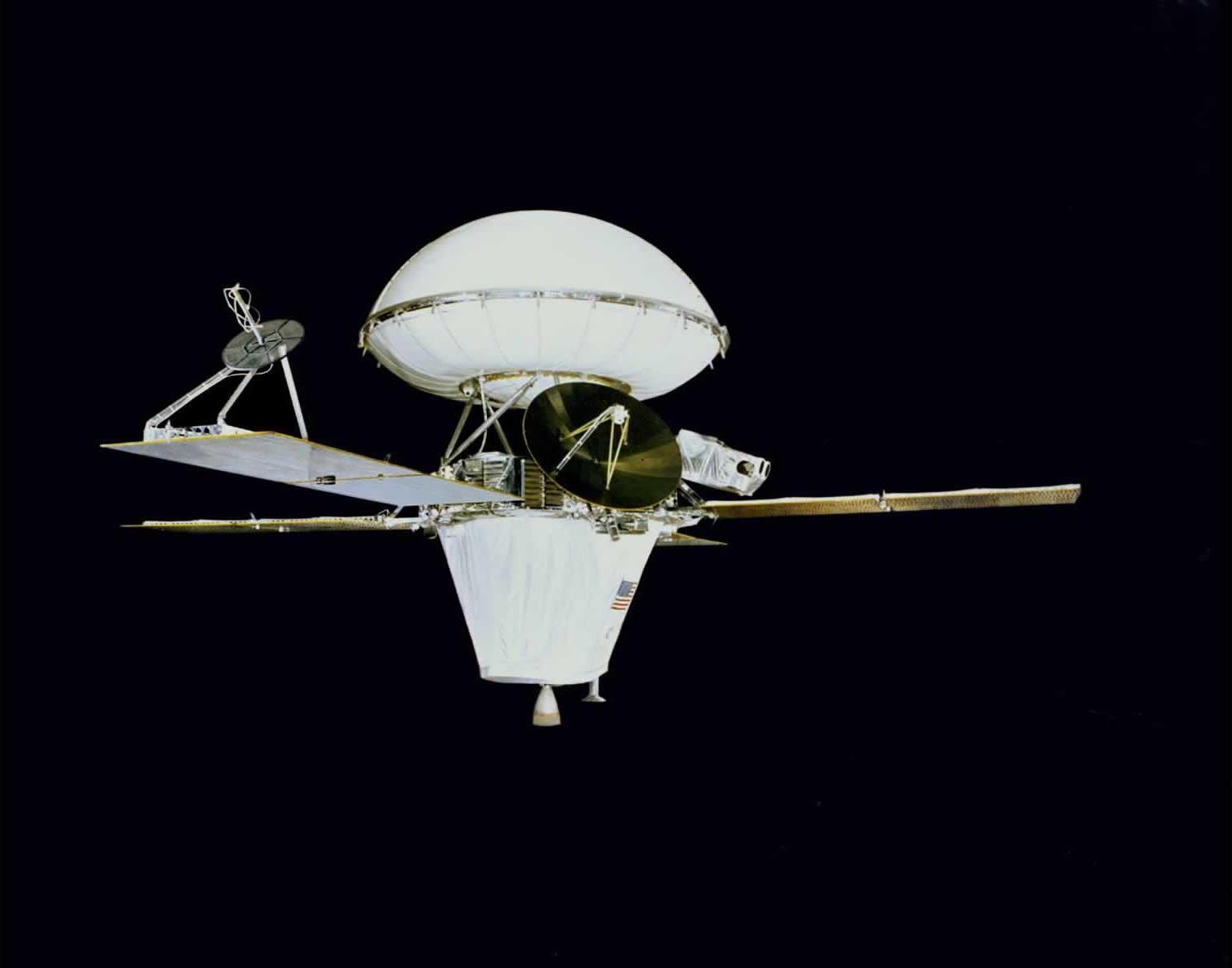
Viking 1 登陸火星·首張火星地表照 Viking 1 Lands on Mars

Viking 1 登陸火星·首張火星地表照 / Viking 1 Lands on Mars
圖:NASA · Public domain · Wikimedia CommonsImage: NASA · Public domain · Wikimedia Commons

1976/7/20 NASA Viking 1 成為首個成功登陸火星傳回地表彩照的探測器;搜尋微生物實驗結果至今有爭議。

On Jul 20, 1976, NASA's Viking 1 became the first successful Mars lander, returning surface color photos; its life-search results remain debated.

相關主軸:Related axes:美國USA太陽系Solar System
1986 年 1 月 science

Mir·長住太空站 Mir Space Station

Mir·長住太空站 / Mir Space Station
圖:NASA · Public domain · Wikimedia CommonsImage: NASA · Public domain · Wikimedia Commons

2 月 19 日 Mir 太空站核心艙升空,是史上首座永久有人居住的太空站。在軌 15 年(1986-2001),太空人 Polyakov 創單次連續 437 天紀錄至今。1995 年起與美國太空梭對接,是冷戰後合作典範。

On February 19, the core module of Mir launched — the first continuously inhabited space station in history. In orbit for 15 years (1986-2001), cosmonaut Polyakov set the still-unbroken record of 437 continuous days. From 1995, US Space Shuttles docked with Mir — a model of post-Cold War cooperation.

相關主軸:Related axes:宇宙Cosmos美洲Americas跨文明Cross-Civilization
1988 年 10 月 science

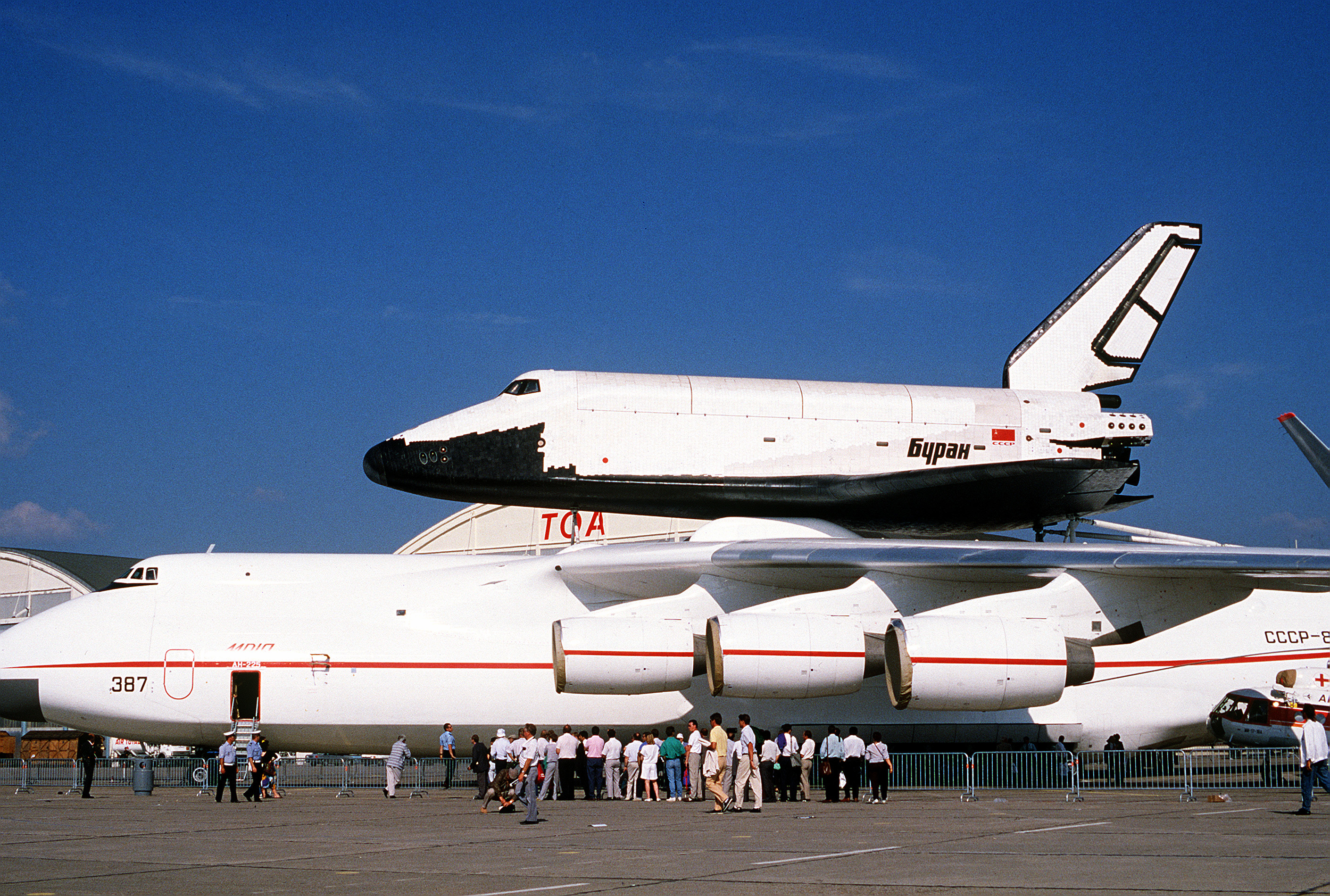
Buran 太空梭·單次任務 Buran — Soviet Space Shuttle

Buran 太空梭·單次任務 / Buran — Soviet Space Shuttle
圖:MASTER SGT. DAVE CASEY · Public domain · Wikimedia CommonsImage: MASTER SGT. DAVE CASEY · Public domain · Wikimedia Commons

11 月 15 日蘇聯 Buran(暴風雪)太空梭由 Energia 火箭發射,無人軌道飛行 206 分鐘後自動降落 Baikonur 跑道,分毫不差。比美國梭更先進(無人自動)。但 1991 年蘇聯解體後計畫取消,唯一一次飛行。2002 機庫倒塌摧毀。

On November 15, the Soviet Buran (Snowstorm) shuttle launched on the Energia rocket. After 206 minutes of unmanned orbital flight, it autolanded at Baikonur with perfect precision — more advanced than the US Shuttle (fully automated). But the program was canceled after the 1991 collapse — Buran's only flight. The hangar collapsed in 2002, destroying it.

相關主軸:Related axes:宇宙Cosmos美洲Americas跨文明Cross-Civilization
1989 年 8 月 exploration

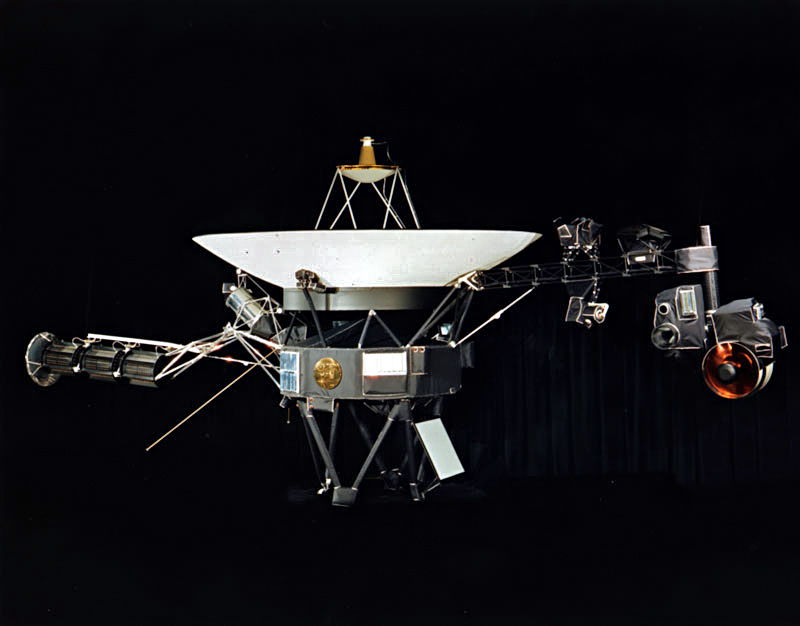
Voyager 2 飛掠海王星 Voyager 2 at Neptune

Voyager 2 飛掠海王星 / Voyager 2 at Neptune
圖:NASA/JPL-Caltech · Public domain · Wikimedia CommonsImage: NASA/JPL-Caltech · Public domain · Wikimedia Commons

1989/8/25 Voyager 2 飛掠海王星,人類至今唯一探測海王星的太空船;完成大巡遊四大外行星任務。

On Aug 25, 1989, Voyager 2 flew by Neptune—humanity's only mission to ever visit the planet; completed the Grand Tour of outer planets.

相關主軸:Related axes:美國USA太陽系Solar System
2004 年 science

機會號・精神號登陸火星 Spirit & Opportunity Land on Mars

機會號・精神號登陸火星 / Spirit & Opportunity Land on Mars
圖:NASA/JPL/Cornell University, Maas Digital LLC · Public domain · Wikimedia CommonsImage: NASA/JPL/Cornell University, Maas Digital LLC · Public domain · Wikimedia Commons

NASA 雙胞胎火星探測車成功登陸,機會號運作超過 14 年

NASA's twin Mars rovers land successfully; Opportunity operates for over 14 years.

2013 年 1 月 politics

車里雅賓斯克隕石·首次全球行車記錄器拍到 Chelyabinsk Meteor

車里雅賓斯克隕石·首次全球行車記錄器拍到 / Chelyabinsk Meteor
圖:Alex Alishevskikh · CC BY-SA 2.0 · Wikimedia CommonsImage: Alex Alishevskikh · CC BY-SA 2.0 · Wikimedia Commons

2 月 15 日烏拉爾車里雅賓斯克上空 18 公尺小行星進入大氣層空爆,估 50 萬噸 TNT(比 Tunguska 小 30 倍)。衝擊波震碎玻璃,1500 餘人受傷。是首次大規模隕石事件被全球行車記錄器記錄,影片瘋傳。

On February 15, an 18-meter asteroid airburst over Chelyabinsk in the Urals — estimated 500 kt TNT (30x smaller than Tunguska). The shockwave shattered windows, injuring over 1,500 people. The first major meteor event captured by dashcams worldwide; videos went viral.

相關主軸:Related axes:俄羅斯Russia宇宙Cosmos科學技術Science & Tech
2015 年 6 月 exploration

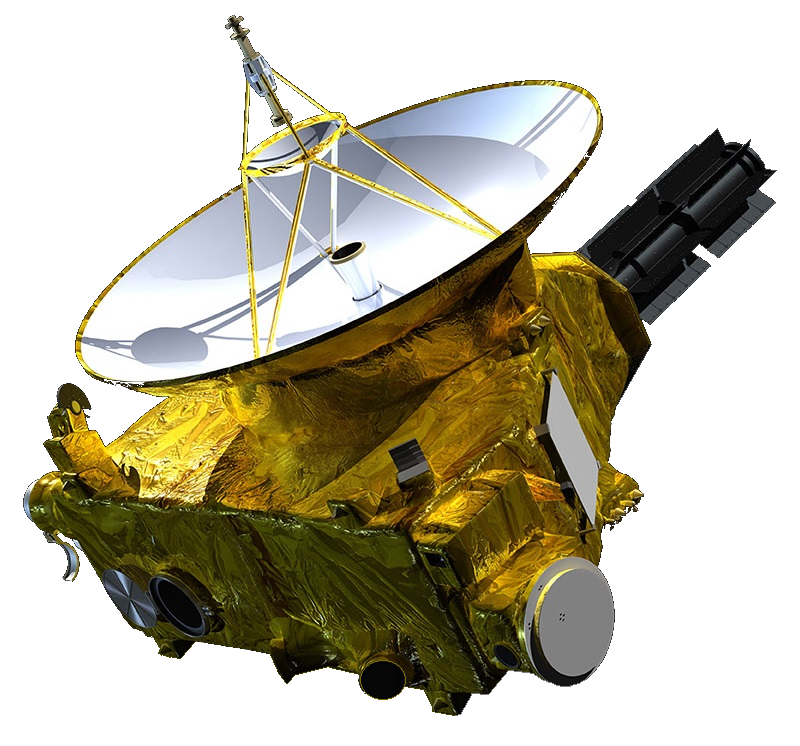
New Horizons 飛掠冥王星 New Horizons at Pluto

New Horizons 飛掠冥王星 / New Horizons at Pluto
圖:National Aeronautics and Space Administration (NASA), Applied Physics Laboratory · Public domain · Wikimedia CommonsImage: National Aeronautics and Space Administration (NASA), Applied Physics Laboratory · Public domain · Wikimedia Commons

2015/7/14 New Horizons 飛掠冥王星 1.2 萬 km,首次傳回冥王星高清影像;至今最遠行星探測。

On Jul 14, 2015, New Horizons passed within 12,000 km of Pluto, sending the first high-resolution images of the dwarf planet.

相關主軸:Related axes:美國USA太陽系Solar System
2015 年 8 月 science

LIGO 首測重力波 LIGO Detects Gravitational Waves

LIGO 首測重力波 / LIGO Detects Gravitational Waves
圖:PhilipNeustrom at English Wikipedia · Public domain · Wikimedia CommonsImage: PhilipNeustrom at English Wikipedia · Public domain · Wikimedia Commons

2015/9/14 LIGO 首次直接偵測到 13 億光年外黑洞合併重力波,驗證 Einstein 100 年前預言;2017 諾貝爾物理獎。

On Sep 14, 2015, LIGO directly detected gravitational waves from a 1.3B ly black hole merger, validating Einstein's 100-year-old prediction; 2017 Nobel Prize.

相關主軸:Related axes:美國USA宇宙Cosmos
2021 年 science

毅力號登陸火星・機智號首飛 Perseverance Lands・Ingenuity First Flight

毅力號登陸火星・機智號首飛 / Perseverance Lands・Ingenuity First Flight
圖:NASA/JPL-Caltech · Public domain · Wikimedia CommonsImage: NASA/JPL-Caltech · Public domain · Wikimedia Commons

毅力號成功登陸火星採集岩石樣本,機智號完成人類首次外星動力飛行

Perseverance lands on Mars to collect rock samples; Ingenuity achieves the first powered flight on another planet.

2021 年 12 月 exploration

James Webb 太空望遠鏡發射 James Webb Space Telescope Launched

James Webb 太空望遠鏡發射 / James Webb Space Telescope Launched
圖:NASA · Public domain · Wikimedia CommonsImage: NASA · Public domain · Wikimedia Commons

2021/12/25 JWST 聖誕發射升空至 L2 點,最大紅外望遠鏡,觀測宇宙 135 億光年前早期星系;Hubble 繼任者。

On Dec 25, 2021, JWST launched to L2—the largest IR telescope ever, observing galaxies 13.5B years back; Hubble's successor.

相關主軸:Related axes:科學技術Science & Tech宇宙Cosmos
4000000000 年 astronomy

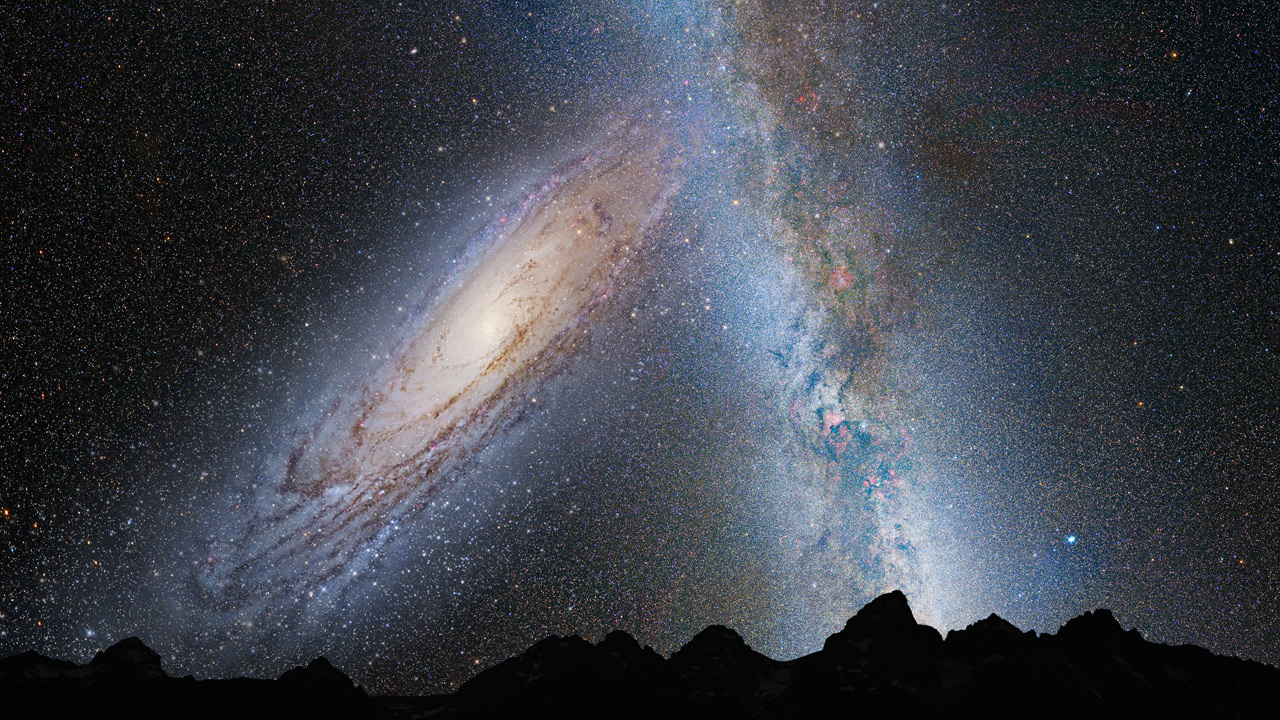
銀河系與仙女座星系碰撞(預測) Milky Way-Andromeda Collision (Predicted)

銀河系與仙女座星系碰撞(預測) / Milky Way-Andromeda Collision (Predicted)
圖:NASA; ESA; Z. Levay and R. van der Marel, STScI; T. Hallas; and A. Mellinger · Public domain · Wikimedia CommonsImage: NASA; ESA; Z. Levay and R. van der Marel, STScI; T. Hallas; and A. Mellinger · Public domain · Wikimedia Commons

仙女座星系正以每秒110公里的速度接近銀河系,預計約40億年後兩者將碰撞合併,形成新的橢圓星系。

The Andromeda galaxy is approaching at 110 km/s and will collide with the Milky Way in about 4 billion years, forming a new elliptical galaxy.

5000000000 年 astronomy

太陽膨脹為紅巨星(預測) Sun Becomes Red Giant (Predicted)

太陽膨脹為紅巨星(預測) / Sun Becomes Red Giant (Predicted)
圖:A. Chiavassa, R. Kudritzki, B. Davies, B. Freytag and S. E. de Mink · CC BY 4.0 · Wikimedia CommonsImage: A. Chiavassa, R. Kudritzki, B. Davies, B. Freytag and S. E. de Mink · CC BY 4.0 · Wikimedia Commons
約50億年後,太陽耗盡核心氫燃料,膨脹成紅巨星,半徑擴大至今日的200倍,地球將被吞噬。

In about 5 billion years, the Sun will exhaust its hydrogen fuel and expand into a red giant, engulfing Earth.