木星形成 Jupiter Forms

太陽系最大行星率先形成,其強大引力主導太陽系結構,保護內行星免受彗星撞擊。
The solar system's largest planet forms first; its gravity dominates the solar system structure and shields inner planets.
從地球到火星,從冥王星回頭看。人類用 84 年把手臂伸向宇宙的每個角落,也在這過程中改變了對自己的想像。
From Earth to Mars, from Pluto looking back. Humanity spent 84 years reaching into every corner of space—and rewrote its own story in the process.
在互動時間軸上瀏覽 → Open in interactive timeline →太陽系最大行星率先形成,其強大引力主導太陽系結構,保護內行星免受彗星撞擊。
The solar system's largest planet forms first; its gravity dominates the solar system structure and shields inner planets.
附近超新星的衝擊波壓縮星際氣體雲,觸發太陽系形成
A nearby supernova's shockwave compresses an interstellar gas cloud, triggering solar system formation.

太陽由星際氣體雲坍縮形成,周圍塵埃盤逐漸凝聚成八大行星。
The Sun condenses from a molecular cloud; surrounding dust forms the planets.
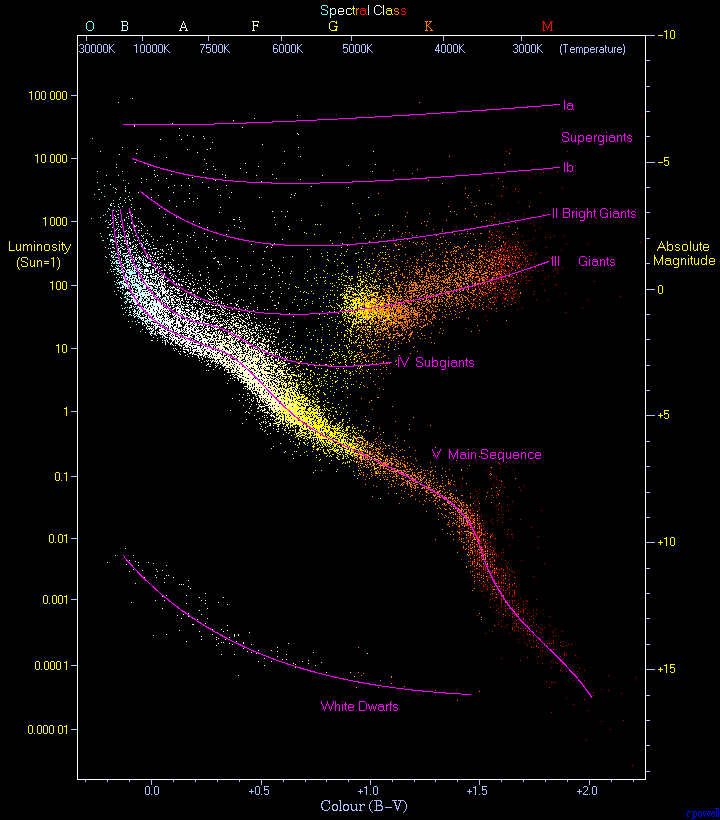
太陽開始穩定的氫核融合,進入約100億年的主序星階段,提供地球穩定的能量來源。
The Sun began stable hydrogen fusion, entering its ~10 billion year main sequence phase, providing Earth with a stable energy source.

第二大氣態巨行星形成,以壯觀的環狀系統聞名,主要由冰和岩石組成。
The second gas giant forms, famous for its spectacular ring system made of ice and rock.

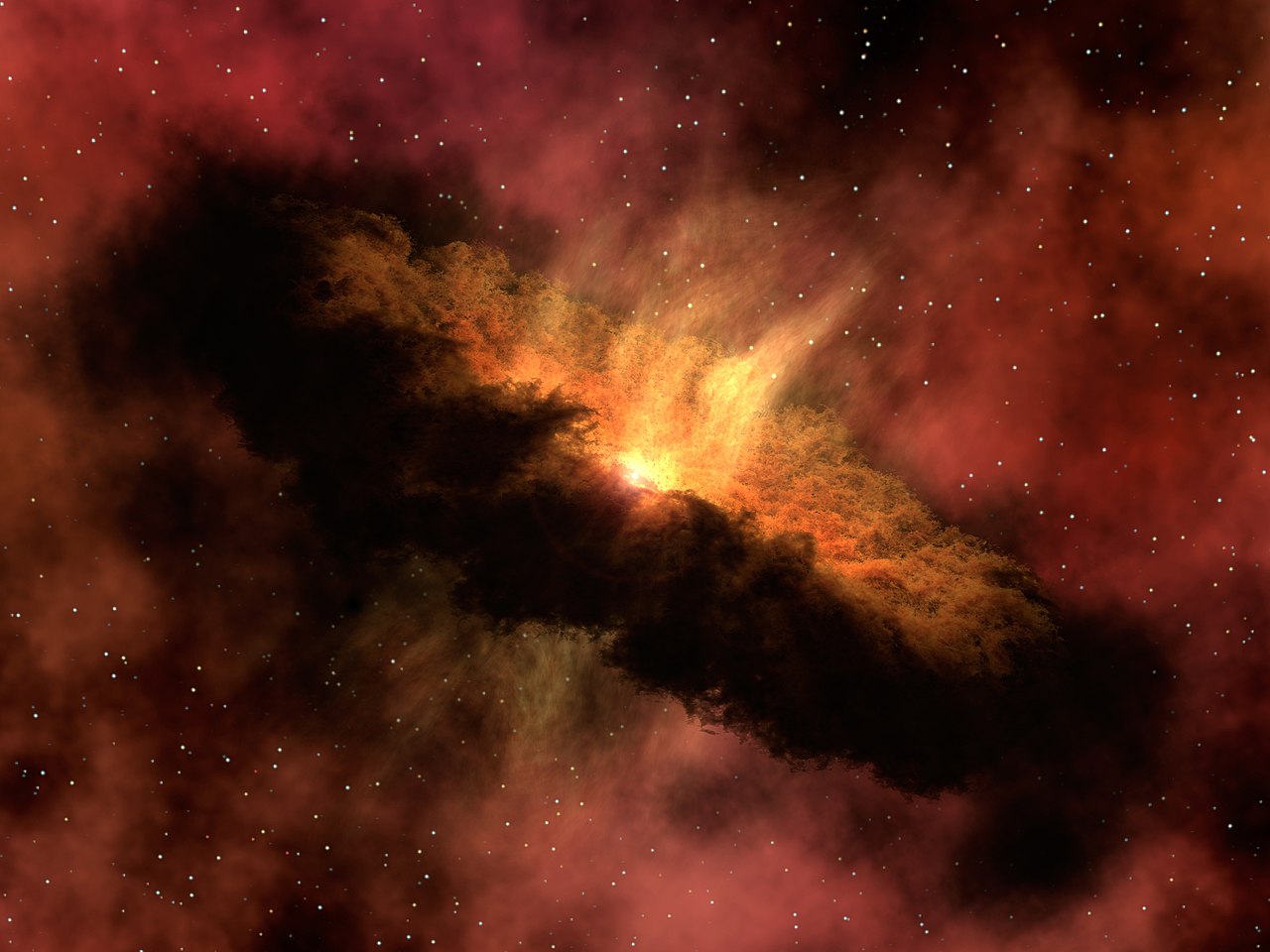
太陽形成後,剩餘氣體和塵埃形成旋轉的原行星盤,是所有行星、小行星和彗星的原材料。
After the Sun formed, remaining gas and dust formed a rotating protoplanetary disk, the raw material for all planets, asteroids and comets.

火星大小的天體忒伊亞撞擊原始地球,碎片聚合形成月球
Mars-sized body Theia collides with proto-Earth; debris coalesces to form the Moon.

一顆火星大小的天體「忒伊亞」撞擊早期地球,噴出碎片凝聚成月球。
A Mars-sized body called Theia collides with early Earth; ejected debris forms the Moon.

太陽系第四行星,有古老河床與極冠,是最可能存在外星生命痕跡的行星。
The fourth planet; ancient riverbeds and polar ice caps make it the most likely candidate for extraterrestrial life.

與地球大小相近的孿生行星,但極端溫室效應使表面溫度高達465度,是太陽系最熱的行星。
Earth's twin in size but extreme greenhouse effect makes its surface 465°C — the hottest planet in the solar system.

自轉軸傾斜98度的冰態巨行星,幾乎是「躺著」繞太陽公轉,擁有13條環和27顆衛星。
Ice giant with a 98° axial tilt, essentially orbiting on its side; has 13 rings and 27 moons.

太陽系最外層的大行星,風速高達2100公里/小時,擁有太陽系最強烈的風暴。
The outermost major planet; wind speeds up to 2,100 km/h — the most violent storms in the solar system.

太陽系形成初期,大量小天體互相碰撞,行星表面佈滿撞擊坑
In the early solar system, massive numbers of small bodies collide, cratering planetary surfaces.

木星形成後向內遷移至火星軌道附近,又被土星拉回,此過程清空了內太陽系大量物質,解釋了火星偏小的原因。
Jupiter migrated inward toward Mars's orbit before being pulled back by Saturn, sweeping the inner solar system and explaining Mars's small size.

鋯石礦物證據顯示地球表面液態水可能在 44 億年前就存在
Zircon mineral evidence suggests liquid water may have existed on Earth's surface 4.4 billion years ago.

地球液態外核對流產生磁場,保護地球免受太陽風侵蝕,是生命存在的關鍵條件之一。
Convection in Earth's liquid outer core generated a magnetic field, shielding it from solar wind — a key condition for life.

太陽系最小、最靠近太陽的行星,可能曾經歷巨大撞擊剝離地殼
The smallest planet and closest to the Sun; may have lost its crust in a giant impact.

約40億年前,大量小行星密集撞擊地球與月球,可能同時帶來大量水和有機分子。
~4 billion years ago, intense asteroid bombardment; may have delivered water and organic molecules to Earth.
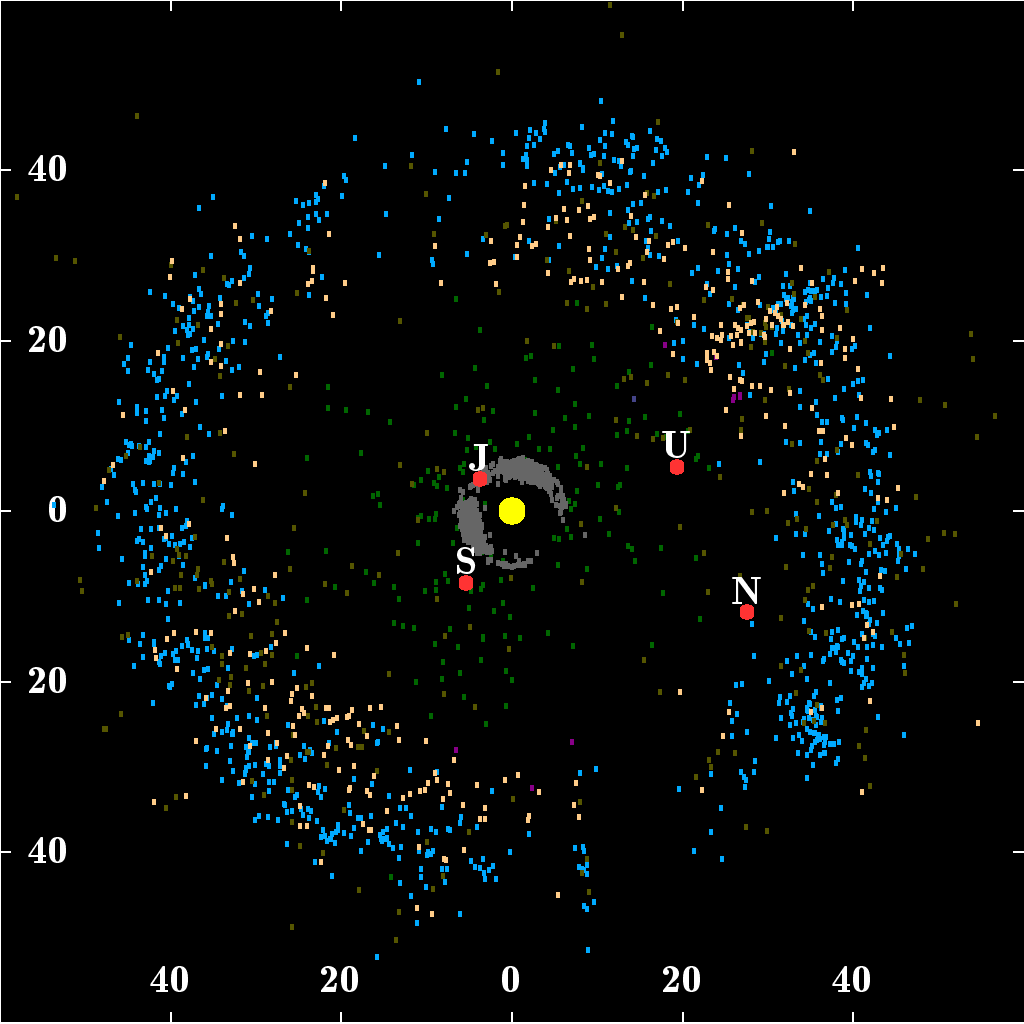
海王星軌道外的冰質天體帶形成,是短週期彗星的來源,冥王星是其最大成員。
The belt of icy bodies beyond Neptune's orbit formed, source of short-period comets; Pluto is its largest known member.

火星核心冷卻,全球磁場消失,太陽風開始剝離大氣
Mars' core cools, its global magnetic field collapses, and solar wind begins stripping its atmosphere.

外太陽系行星軌道發生大規模重組,海王星和天王星向外遷移,觸發晚期重轟炸期,大量小行星撞擊內太陽系。
Massive reshuffling of outer planet orbits sent Neptune and Uranus outward, triggering the Late Heavy Bombardment.

火星北半球可能曾覆蓋廣大海洋,有河道沖積扇地形證據
Mars' northern hemisphere may have been covered by a vast ocean, evidenced by river channels and alluvial fans.
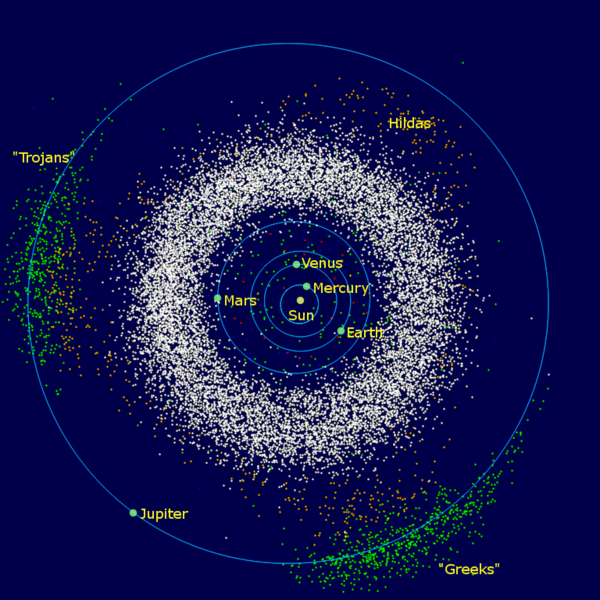
大量小行星被困在木星軌道的拉格朗日 L4/L5 點
Large numbers of asteroids become trapped at Jupiter's L4/L5 Lagrangian points.

木星經過大遷移後穩定在距太陽 5.2 AU 的軌道
After the Grand Tack migration, Jupiter settles into its current orbit at 5.2 AU from the Sun.
失去磁場保護後,太陽風持續剝離火星大氣,火星變為寒冷荒漠
Without magnetic field protection, solar wind strips Mars' atmosphere; Mars becomes a cold desert.

泰坦、恩克拉多斯等主要衛星軌道穩定,泰坦發展出濃厚大氣
Titan, Enceladus and other major moons stabilize; Titan develops a thick atmosphere.

巨大撞擊導致天王星自轉軸傾斜 98°,幾乎「躺著」公轉
A massive impact tilts Uranus' rotation axis 98°, making it orbit nearly on its side.

木星大氣中的巨大反氣旋風暴,持續數百年以上
A giant anticyclonic storm in Jupiter's atmosphere, persisting for centuries or longer.

金星海洋蒸發,CO₂ 累積導致失控溫室效應,表面溫度達 460°C
Venus' oceans evaporate; runaway CO₂ greenhouse effect raises surface temperature to 460°C.

最新研究顯示土星環可能僅 1~4 億年,遠比土星本身年輕
Recent research suggests Saturn's rings may be only 100-400 million years old, far younger than Saturn itself.
木星與火星間的小行星帶在木星重力影響下最終穩定
The asteroid belt between Jupiter and Mars finally stabilizes under Jupiter's gravitational influence.

月球內部冷卻,最後的火山活動停止,月海不再有新的熔岩流
The Moon's interior cools; final volcanic activity ceases, and no new lava flows fill the maria.
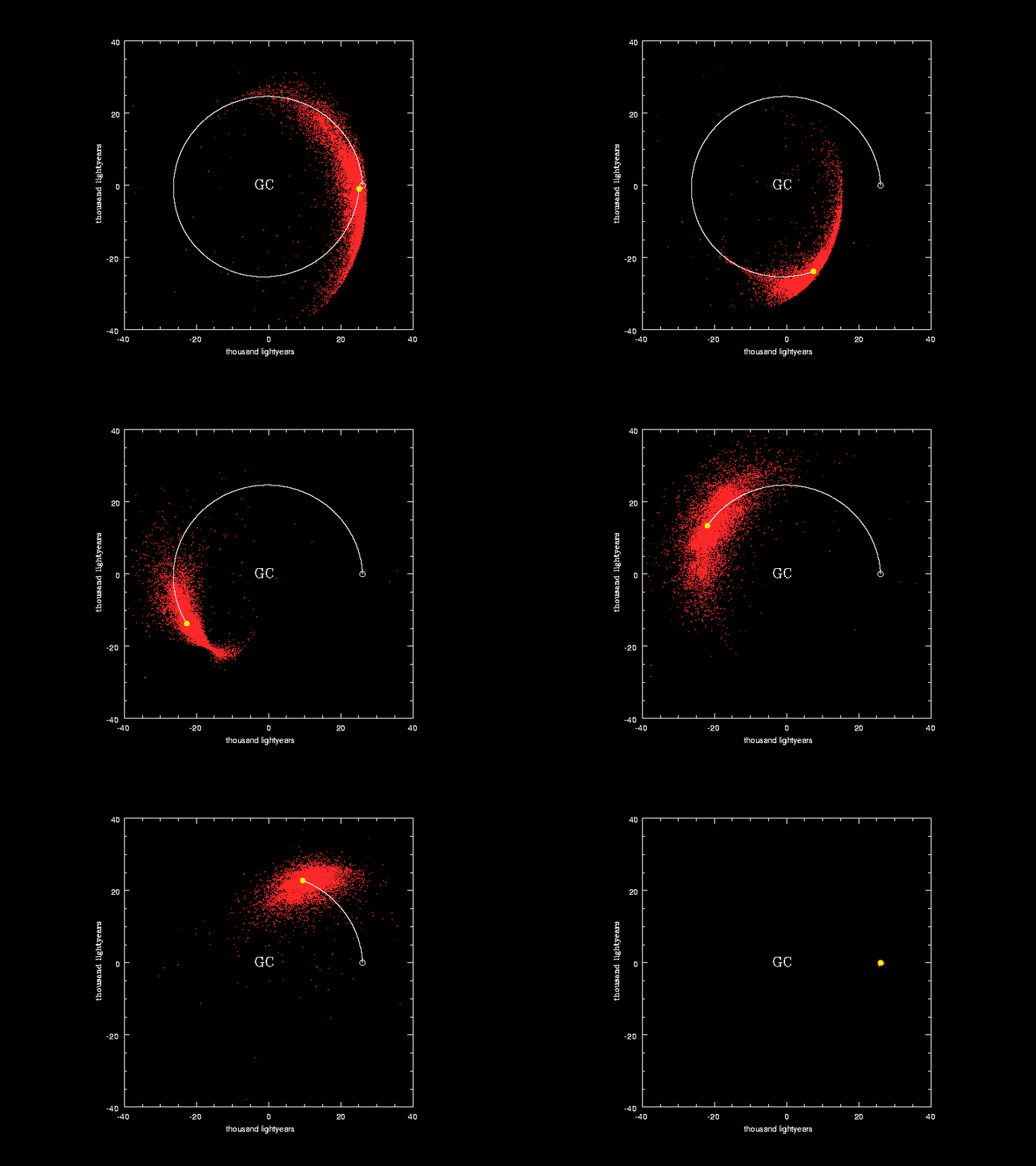
太陽每 2.25 億年繞銀河系中心一圈,此時恰好是一個銀河年前
The Sun takes 225 million years to orbit the galactic center; this marks exactly one galactic year ago.

直徑 85 公里的第谷坑形成,是月球上最年輕的大型撞擊坑之一
85km-wide Tycho crater forms, one of the youngest large impact craters on the Moon.

10 公里小行星撞擊墨西哥灣,導致恐龍滅絕與白堊紀結束
A 10km asteroid strikes the Gulf of Mexico, causing the dinosaur extinction and ending the Cretaceous.

經過恆星或銀河潮汐力週期性擾動歐特雲,將彗星送入內太陽系
Passing stars or galactic tides periodically perturb the Oort Cloud, sending comets into the inner solar system.

距地球約 150 光年的超新星爆炸,可能影響地球氣候並觸發冰河期
A supernova ~150 light-years from Earth may have affected climate and triggered glaciation.

亞利桑那州直徑 1.2 公里的撞擊坑,地球上保存最完好的隕石坑
A 1.2km diameter impact crater in Arizona, the best-preserved meteorite crater on Earth.

荷蘭天文學家惠更斯首次正確辨認土星環結構
Dutch astronomer Huygens first correctly identifies Saturn's ring structure.

以數學預測發現的行星,驗證了牛頓力學的精確性
A planet discovered through mathematical prediction, validating the precision of Newtonian mechanics.

Clyde Tombaugh discovers Pluto in 1930, considered the ninth planet for 76 years.

蘇聯發射人類第一顆人造衛星,開啟太空時代
The Soviet Union launches the first artificial satellite, opening the Space Age.

1962/2/20 John Glenn 乘 Friendship 7 成為首位繞地軌道的美國人,追上蘇聯太空競賽;3 圈 4h55m 完成。
On Feb 20, 1962, John Glenn aboard Friendship 7 became the first American to orbit Earth—catching up with the Soviet space race (3 orbits, 4h55m).

阿波羅11號太空人阿姆斯壯和艾德林成為首次踏上月球的人類,是人類太空探索的最大里程碑。
Apollo 11 astronauts Armstrong and Aldrin become the first humans on the Moon — humanity's greatest milestone in space exploration.

阿姆斯壯與乘組員成為首批踏上月球的人類
Armstrong and crew become the first humans to set foot on the Moon.
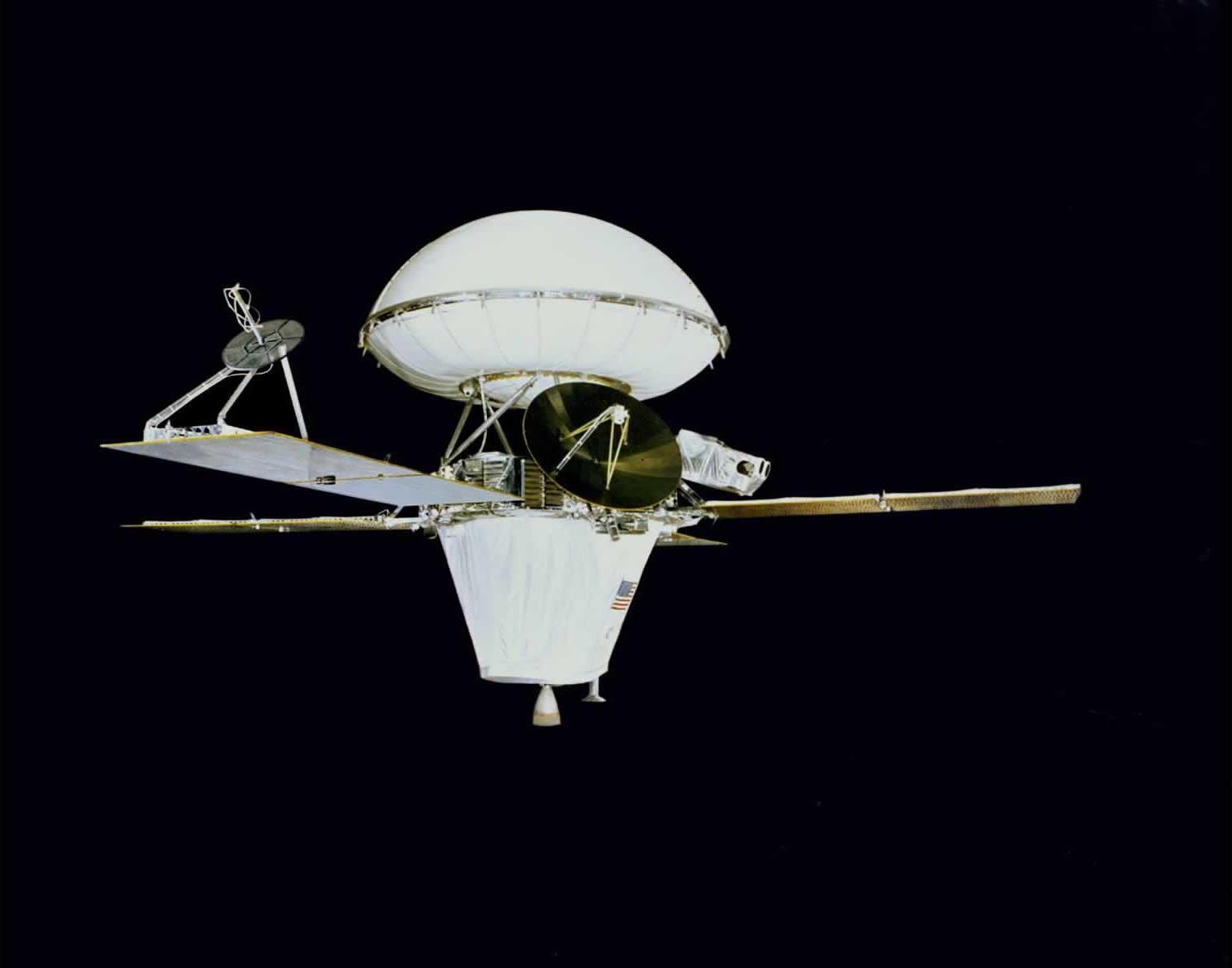
1976/7/20 NASA Viking 1 成為首個成功登陸火星傳回地表彩照的探測器;搜尋微生物實驗結果至今有爭議。
On Jul 20, 1976, NASA's Viking 1 became the first successful Mars lander, returning surface color photos; its life-search results remain debated.

航海家 1 號/2 號探訪四顆外行星,航海家 1 號已進入星際空間
Voyager 1 and 2 visit all four outer planets; Voyager 1 has entered interstellar space.
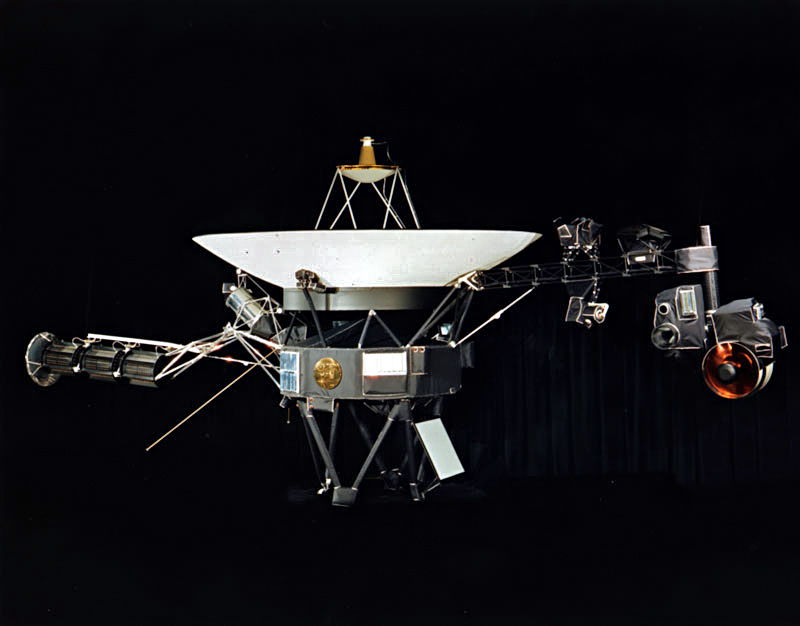
1989/8/25 Voyager 2 飛掠海王星,人類至今唯一探測海王星的太空船;完成大巡遊四大外行星任務。
On Aug 25, 1989, Voyager 2 flew by Neptune—humanity's only mission to ever visit the planet; completed the Grand Tour of outer planets.

1997 發射、2004 抵土星、2005 Huygens 登陸 Titan、2017 主控撞入土星結束 20 年任務;土星系研究里程碑。
Launched 1997, arrived Saturn 2004, Huygens landed on Titan 2005; ended with controlled Saturn plunge in 2017—a 20-year mission epoch.

NASA 雙胞胎火星探測車成功登陸,機會號運作超過 14 年
NASA's twin Mars rovers land successfully; Opportunity operates for over 14 years.

IAU reclassifies Pluto as a dwarf planet in 2006 after defining new planetary criteria.

首次近距離拍攝冥王星,揭示心形平原「湯博區」
First close-up images of Pluto, revealing the heart-shaped Tombaugh Regio.
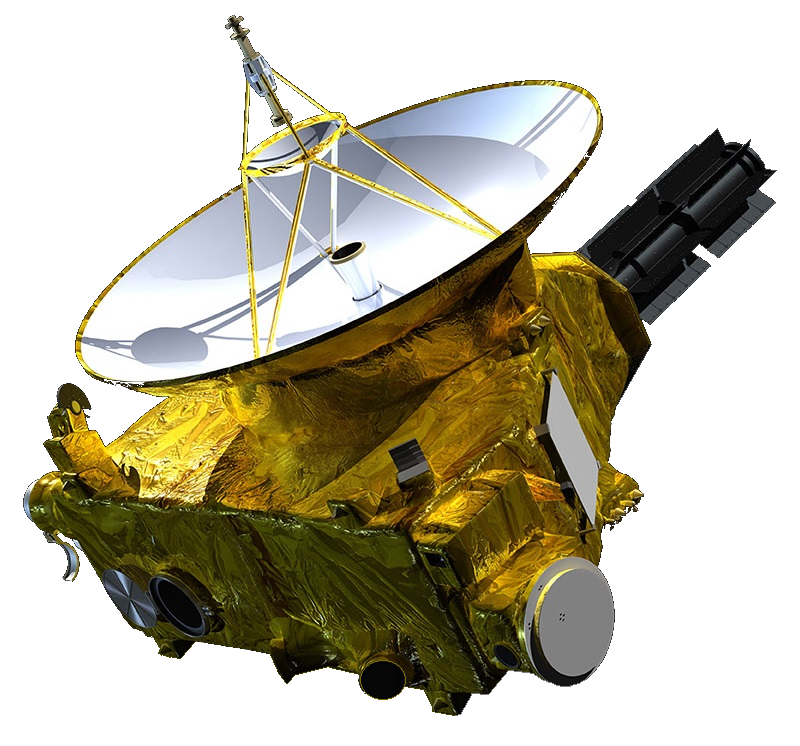
2015/7/14 New Horizons 飛掠冥王星 1.2 萬 km,首次傳回冥王星高清影像;至今最遠行星探測。
On Jul 14, 2015, New Horizons passed within 12,000 km of Pluto, sending the first high-resolution images of the dwarf planet.

毅力號成功登陸火星採集岩石樣本,機智號完成人類首次外星動力飛行
Perseverance lands on Mars to collect rock samples; Ingenuity achieves the first powered flight on another planet.

約50億年後,太陽耗盡核心氫燃料,膨脹成紅巨星,半徑擴大至今日的200倍,地球將被吞噬。
In about 5 billion years, the Sun will exhaust its hydrogen fuel and expand into a red giant, engulfing Earth.