印度河流域文明 Indus Valley Civilization

哈拉帕和摩亨佐-達羅等城市興起,擁有先進的城市規劃和排水系統。
Cities like Harappa and Mohenjo-daro flourish with advanced urban planning and sophisticated drainage systems.
從吠陀聖火到蒙兀兒的尖塔,印度寫了一部5000年的帝國史。每個朝代都留下了神廟、經典和一個新信仰。
From Vedic fire to Mughal spires: India's 5,000-year empire of dynasties, doctrines, and gods. Each age left temples, texts, and a transformed faith.
在互動時間軸上瀏覽 → Open in interactive timeline →哈拉帕和摩亨佐-達羅等城市興起,擁有先進的城市規劃和排水系統。
Cities like Harappa and Mohenjo-daro flourish with advanced urban planning and sophisticated drainage systems.

《吠陀》四部聖典在此期間形成,印度教的神學基礎、種姓制度與祭祀傳統均源於此時期。
The four Vedas take shape during this period; the theological foundation of Hinduism, the caste system, and sacrificial traditions all originate here.

印度哲學最深刻的思想著作,探討梵我合一、業力輪迴、解脫之道,奠定印度哲學的核心概念。
India's most profound philosophical texts; explore Brahman-Atman unity, karma, reincarnation, and liberation — the core concepts of Indian philosophy.

釋迦牟尼在菩提樹下悟道,創立佛教,影響後來亞洲文明超過兩千五百年。
Siddhartha Gautama attains enlightenment under the Bodhi Tree, founding Buddhism, which would shape Asian civilization for millennia.

印度教核心神話文獻「往世書」逐步編纂
Hindu mythological texts, the Puranas, are gradually compiled.

Chandragupta founds the Maurya Empire, first to unify most of the Indian subcontinent.

Emperor Ashoka converts to Buddhism and spreads it across Asia through missionaries.
孔雀王朝阿育王皈依佛教,派遣傳教士至斯里蘭卡、中亞,使佛教從地區性信仰轉為世界宗教。
Maurya Emperor Ashoka converts to Buddhism and sends missionaries to Sri Lanka and Central Asia, transforming Buddhism from regional faith to world religion.

印度教最重要的經典之一,記載克里希納對阿周那的教導,討論責任、靈魂、虔誠之道,影響深遠。
One of Hinduism's most important scriptures; Krishna's teachings to Arjuna on duty, the soul, and devotional paths — profoundly influential worldwide.
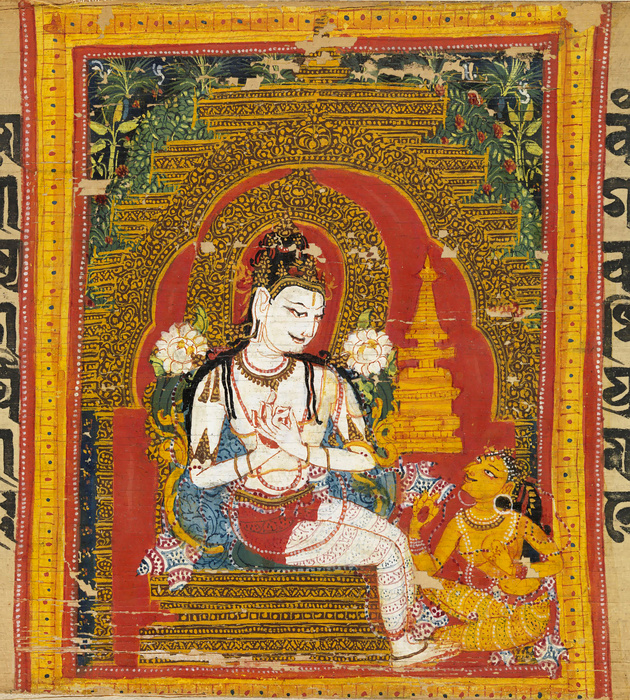
大乘佛教從部派佛教中發展出來,強調菩薩道
Mahayana Buddhism develops from earlier schools, emphasizing the Bodhisattva path.

Gupta Empire presides over India's golden age of science, mathematics, art, and literature.

強調個人虔信的巴克提運動從南印度興起
Bhakti devotional movement emerges in South India, emphasizing personal devotion to God.

卡久拉霍、坦焦爾等壯麗印度教廟宇建成
Magnificent Hindu temples built at Khajuraho, Thanjavur, and across India.
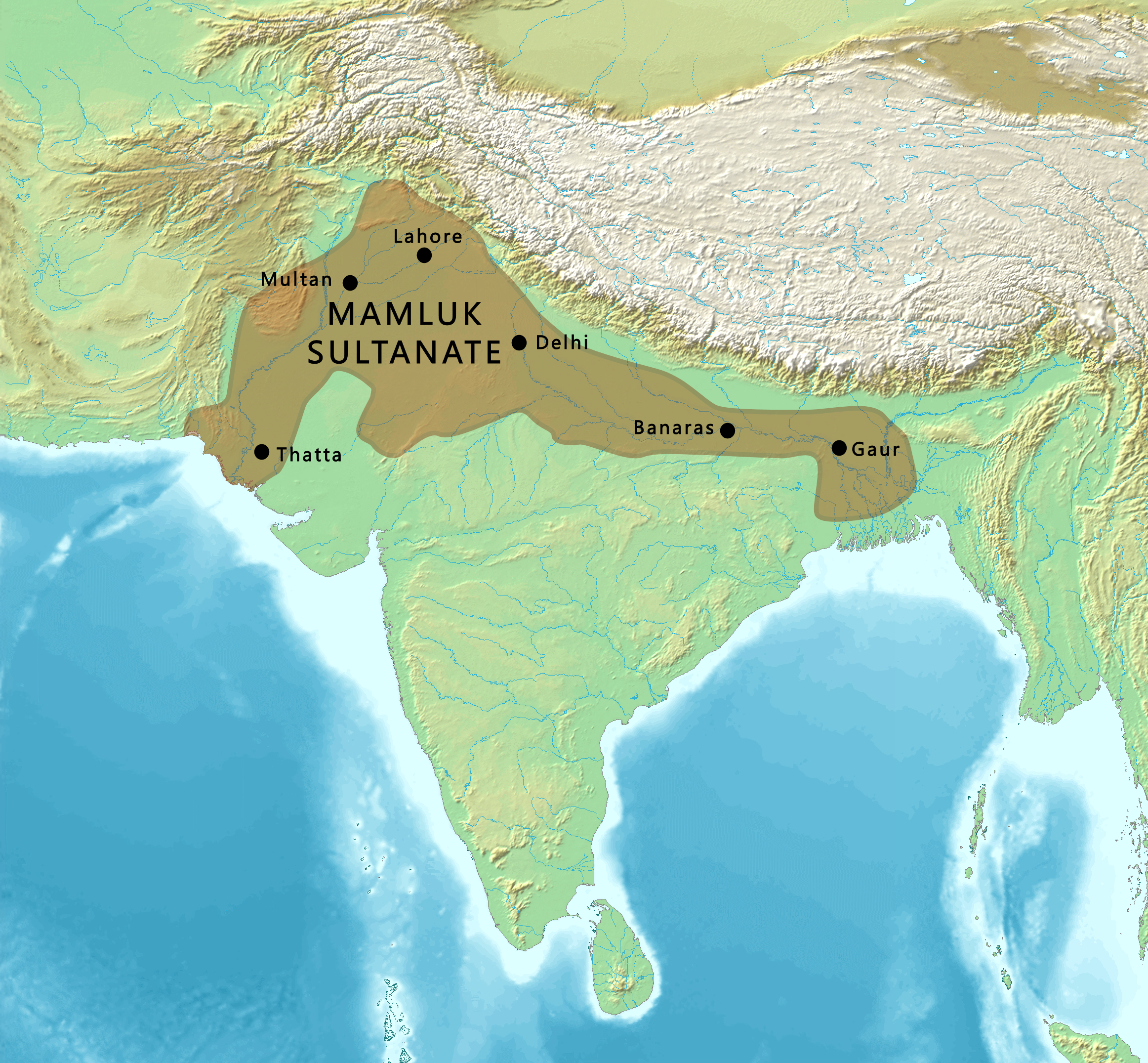
Muslim sultanates rule northern India from Delhi for over 300 years.

1498/5/20 葡萄牙 Vasco da Gama 繞好望角抵印度 Calicut,首次歐洲人直航印度;終結威尼斯-阿拉伯香料壟斷。
On May 20, 1498, Vasco da Gama reached Calicut via the Cape of Good Hope—the first European sea route to India, ending Venetian/Arab spice monopoly.

Babur founds the Mughal Empire, which will rule most of India for three centuries.

1602/3/20 荷蘭 VOC 成立,首家公開發行股票的跨國公司;壟斷亞洲貿易 200 年,近代金融與公司制度原型。
On Mar 20, 1602, the Dutch VOC was founded as the first publicly traded multinational; monopolized Asia trade for 200 years—a prototype of modern finance.

蒙兀兒皇帝沙賈汗為亡妻建造的陵墓,是伊斯蘭建築與蒙兀兒藝術的頂峰,世界七大奇蹟之一。
Built by Mughal Emperor Shah Jahan for his wife, the Taj Mahal is the pinnacle of Islamic architecture and Mughal art — one of the New Seven Wonders.

British East India Company gradually takes control of India through trade and military power.

拉姆·莫漢·羅伊創立梵社,推動印度教現代改革
Ram Mohan Roy founds Brahmo Samaj, modernizing Hindu thought and opposing sati.

Indian Rebellion of 1857 against British rule leads to direct Crown governance.

India gains independence from Britain in 1947, partitioned into India and Pakistan.

安貝德卡爾帶領印度賤民集體皈依佛教
B.R. Ambedkar leads mass conversion of Dalits to Buddhism in India.