📌 內容與授權:本頁事件說明文字(中英)為 Cosmic History Timeline 編輯整理。
圖片來自 Wikimedia Commons,作者與授權詳見每張圖下方連結。
延伸閱讀的 Wikipedia 與 Amazon 連結著作權歸原權利人;Amazon 連結為聯盟連結(不影響你的價格)。
📌 Sources & Credits: Event descriptions (zh / en) are editorial work by Cosmic History Timeline.
Images are sourced from Wikimedia Commons — author and license shown below each image.
Wikipedia and Amazon links belong to their respective rights holders; Amazon links are affiliate links (no extra cost to you).
古代 · 19 條事件Ancient · 19 events
西元前 2700 年politics
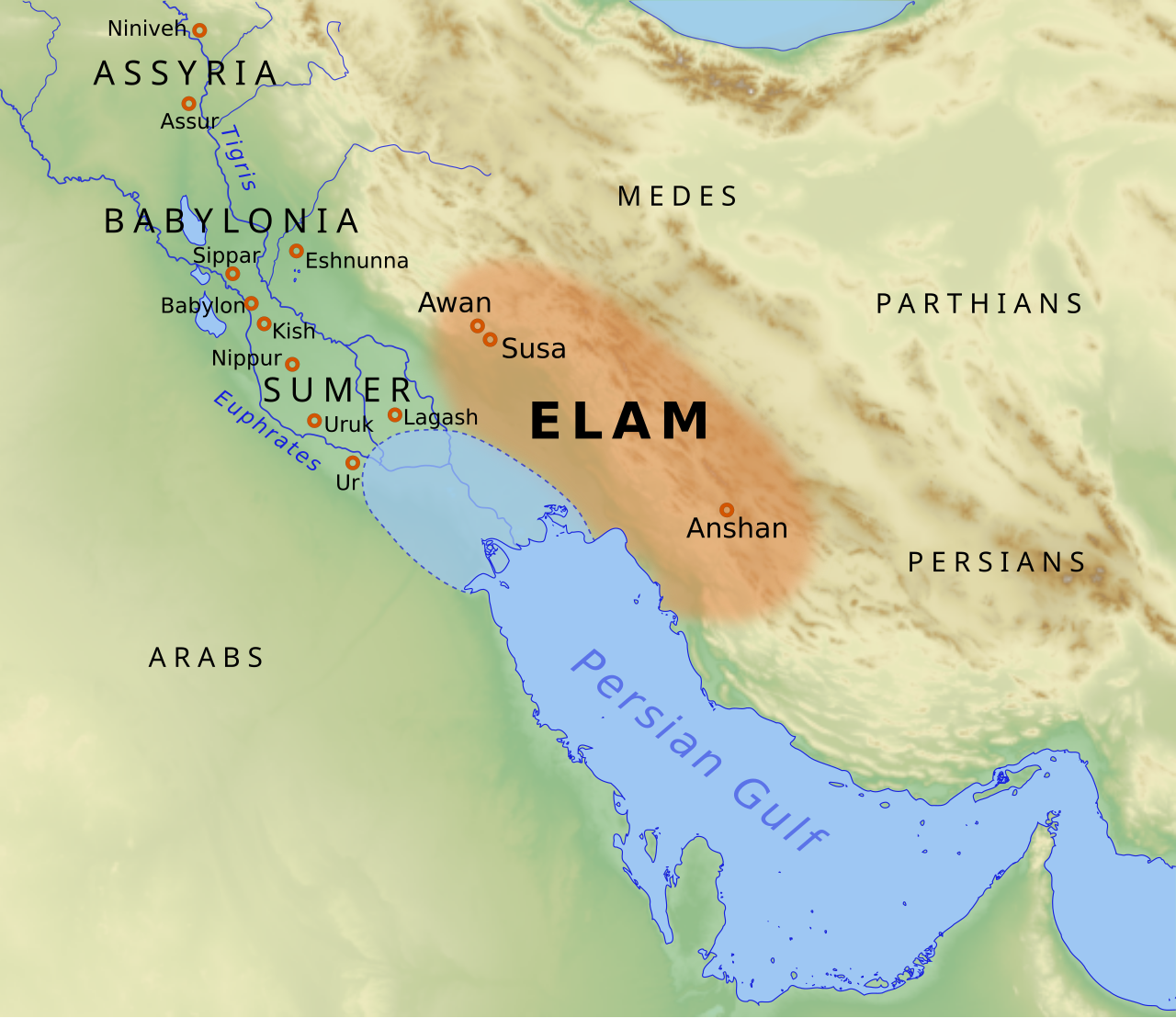
Elam 埃蘭王國·伊朗最早文明Elamite Kingdom
圖:File:Near East topographic map-blank.svg: Sémhur
File:Elam-map-PL.svg: Wkotwica
· CC BY-SA 3.0 · Wikimedia CommonsImage: File:Near East topographic map-blank.svg: Sémhur
File:Elam-map-PL.svg: Wkotwica
· CC BY-SA 3.0 · Wikimedia Commons
Centered on Susa in southwest Iran, Elamite civilization rose alongside Sumerian from -2700 — the Iranian plateau's earliest literate culture. Isolated language (neither Semitic nor Indo-European); unique cuneiform. Assyria destroyed western Elam in -639, but its culture endured into the Achaemenid era (Susa became a Persian winter capital).
印歐語系 Medes 人 9 世紀 BC 進入伊朗高原建國,以 Ecbatana(今 Hamadan)為都。-612 與巴比倫聯合滅亞述帝國。-550 被姻親部族 Persians 的 Cyrus 推翻,但 Medes 貴族在阿契美尼德帝國內享高地位。
The Indo-European Medes entered the Iranian plateau in the 9th century BC, founding a kingdom with Ecbatana (modern Hamadan) as capital. In -612 they allied with Babylon to destroy Assyria. Overthrown in -550 by their kinsmen the Persians under Cyrus — but Median nobles held high positions in the Achaemenid Empire.
Prophet Zarathustra (Zoroaster) preached his dualist religion: the good god Ahura Mazda against the evil Angra Mainyu. Core beliefs — final judgment, resurrection, heaven and hell, fire worship, monotheistic tendency — deeply influenced later Judaism, Christianity, and Islam. Became Persian state religion.
圖:Charles Francis Horne
Clarence Cook · Public domain · Wikimedia CommonsImage: Charles Francis Horne
Clarence Cook · Public domain · Wikimedia Commons
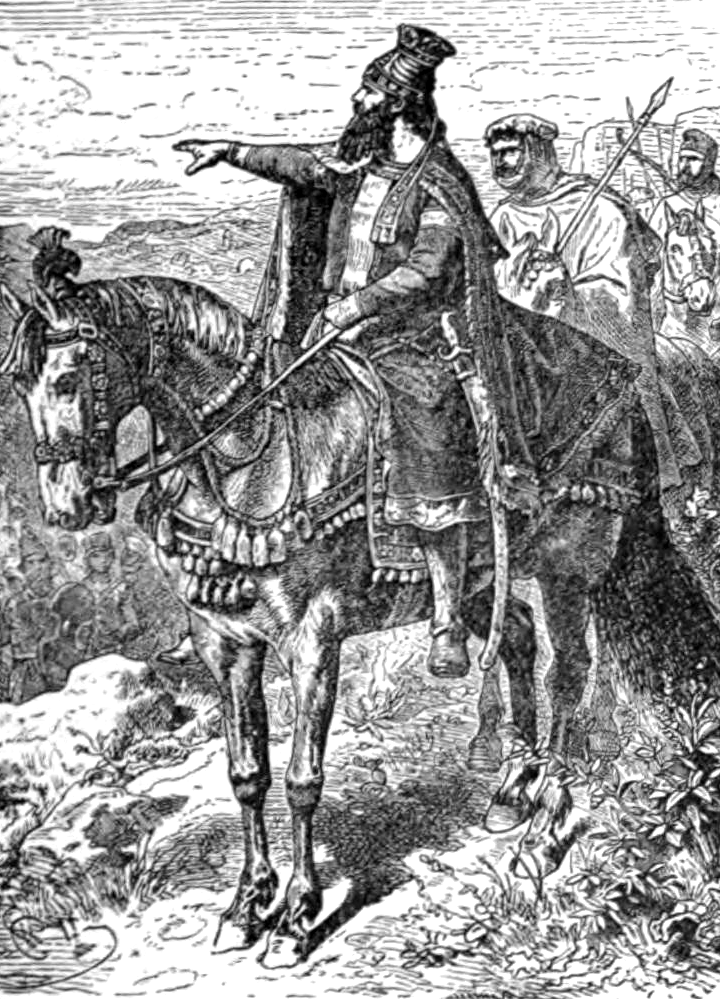
建立波斯阿契美尼德帝國,征服巴比倫後解放被囚猶太人,頒布人類史上最早的人權宣言「居魯士圓柱」。
Founds the Persian Achaemenid Empire; after conquering Babylon, frees the captive Jews and issues the Cyrus Cylinder — history's earliest human rights declaration.
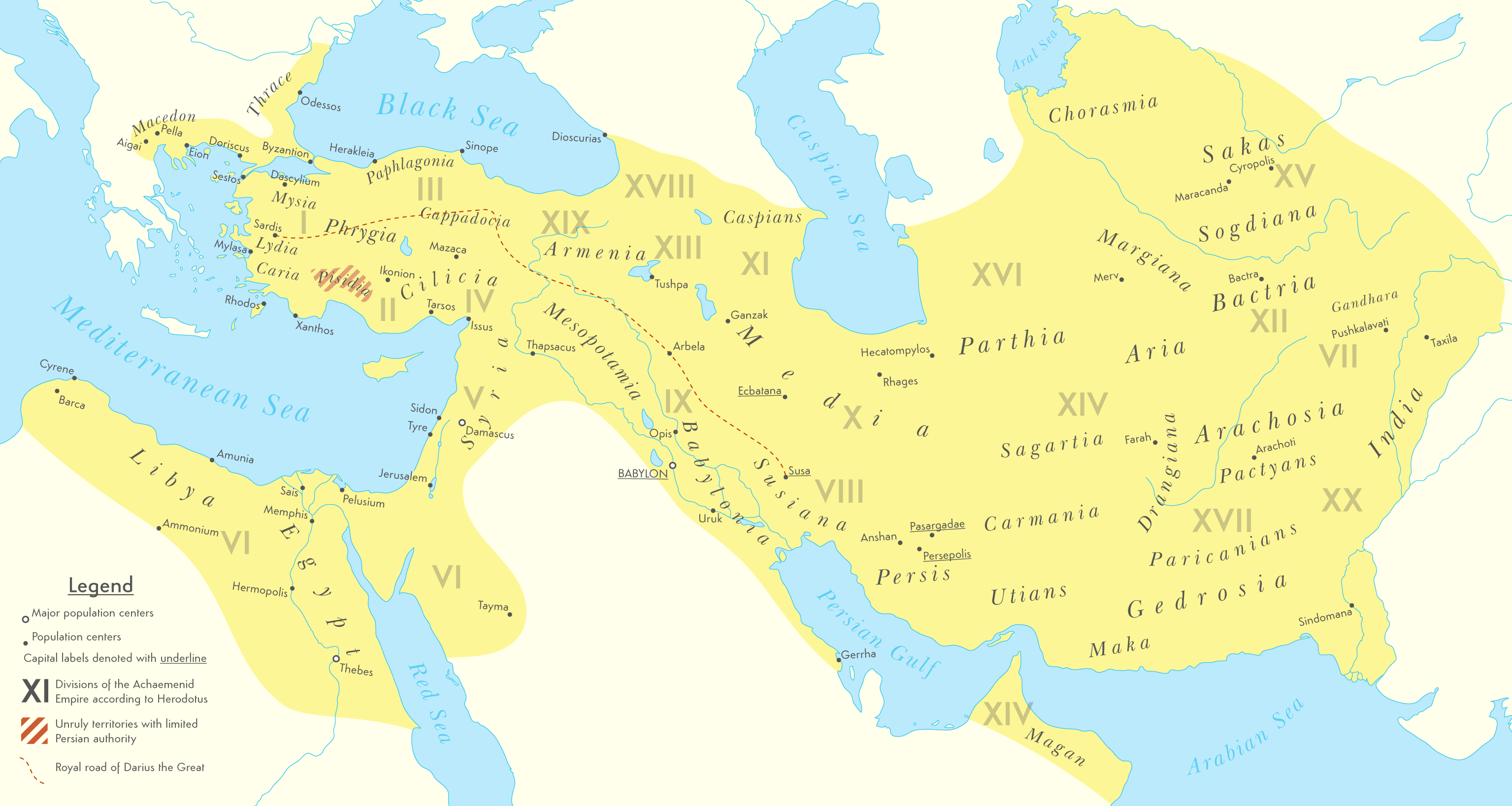
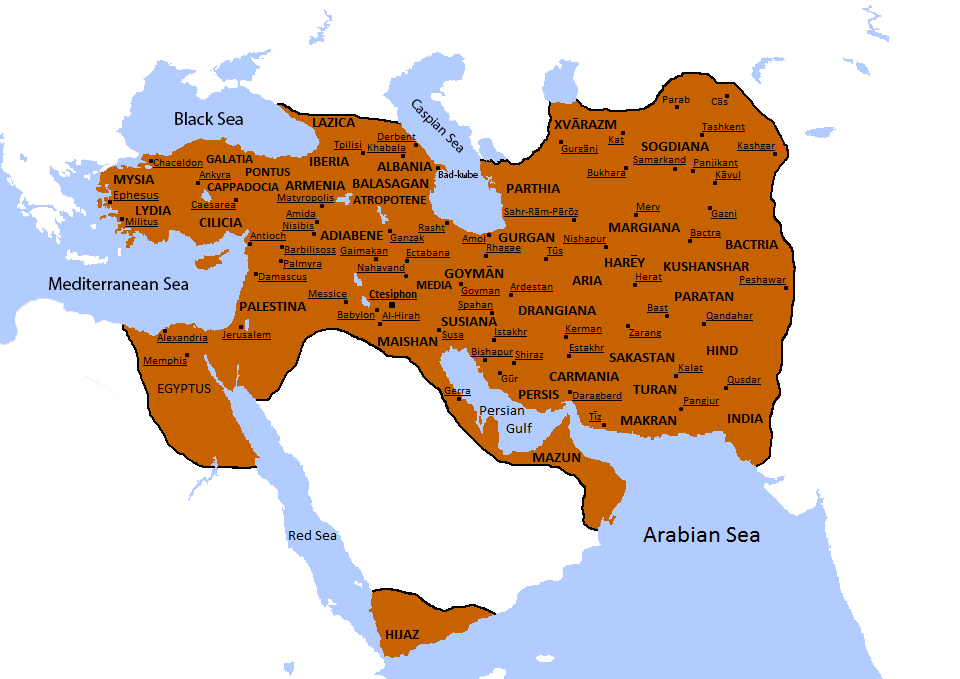
Cyrus 大帝建帝國,至 Darius I、Xerxes 時達鼎盛,統 5 百萬 km²、5 千萬人,從愛琴海到印度。人類首個多民族寬容帝國:波斯統治,尊重各民族宗教、法律、語言。Zoroaster 教為國教。亞歷山大 -330 滅。
Founded by Cyrus the Great, reaching its zenith under Darius I and Xerxes — 5 million km² and 50 million people, from the Aegean to India. Humanity's first multi-ethnic tolerant empire: Persian rule respected other peoples' religions, laws, and languages. Zoroastrianism as state religion. Fallen to Alexander in -330.
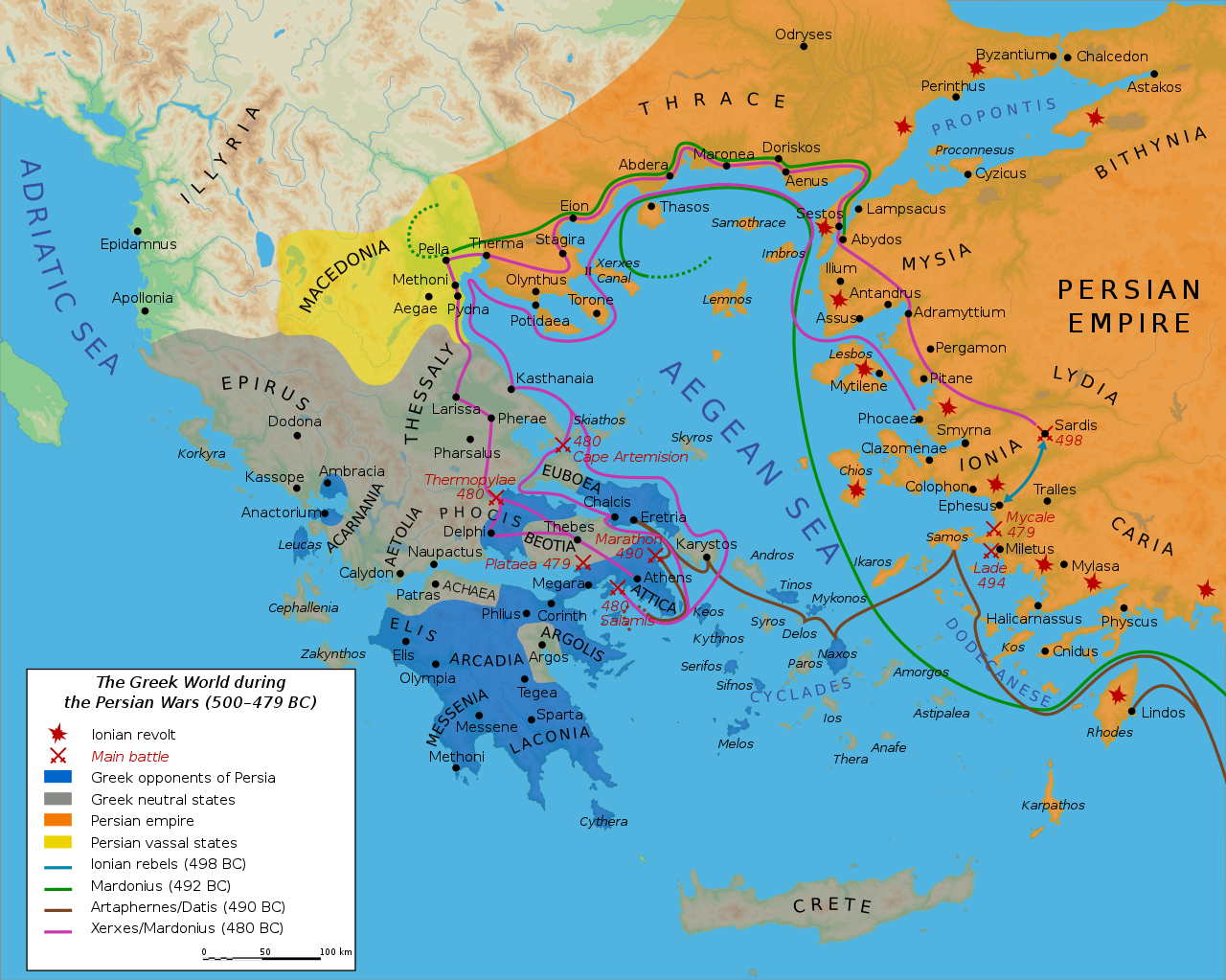
To avenge Athens's support of the Ionian revolt, Darius I sent his son-in-law Mardonius across the Aegean. The 492 fleet was destroyed by a storm at Cape Athos. The 490 second invasion landed at Marathon but was defeated by the Athenians — starting 50 years of Greco-Persian Wars.
圖:The Department of History, United States Military Academy · Public domain · Wikimedia CommonsImage: The Department of History, United States Military Academy · Public domain · Wikimedia Commons
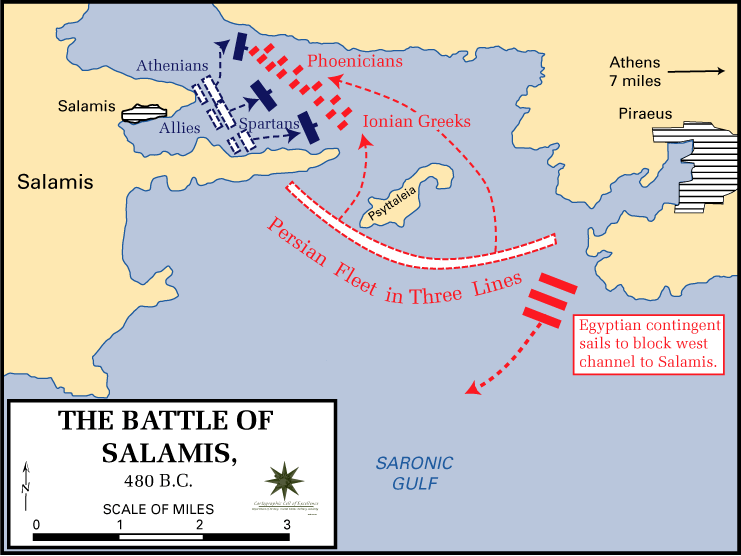
In May, Xerxes led history's largest land army (~300,000) plus 1,200 ships across the Hellespont to invade Greece. In August he won Thermopylae (massacring 300 Spartans) and in September burned Athens. But at Salamis (September), Themistocles lured the Persian fleet into narrow straits and annihilated it. Defeat at Plataea (-479) ended Persia's Greek ambitions forever.
10 月 1 日 Alexander 4.7 萬大軍於 Gaugamela(今伊拉克北部)擊敗 Darius III 10 萬波斯軍。Darius III 逃亡,波斯帝國實質滅亡。Alexander 入 Babylon、Susa、Persepolis(焚毀)。220 年阿契美尼德結束,波斯進希臘化時代。
On October 1, Alexander's 47,000 troops defeated Darius III's 100,000-strong Persian army at Gaugamela (northern Iraq). Darius III fled; the Persian Empire effectively ended. Alexander entered Babylon, Susa, and Persepolis (which he burned). After 220 years, the Achaemenid Empire ended; Persia entered the Hellenistic age.
相關主軸:Related axes:希臘羅馬Greece & Rome兩河流域Mesopotamia亞歷山大Alexander the Great
Alexander the Great defeated Darius III and burned Persepolis, ending the Achaemenid Empire. Darius fled and was killed by his own men, terminating two centuries of Persian dominance.
The Arsacid dynasty ruled Iran for 470 years after the Seleucids. At Carrhae (-53) they defeated Crassus's Roman army, killing him — Rome's greatest eastern setback. Parthian mounted archery ('Parthian shot') became legendary. Iranian culture flourished; the Silk Road thrived.
Ardashir I 推帕提亞建薩珊王朝,427 年與拜占庭對峙維持世界兩強格局。Zoroaster 教復興為國教。建立中世紀波斯行政制度。Mani 教在此時創立。Khosrow I 大帝時鼎盛。627 Nineveh 戰敗、642 Nahavand 被阿拉伯滅。
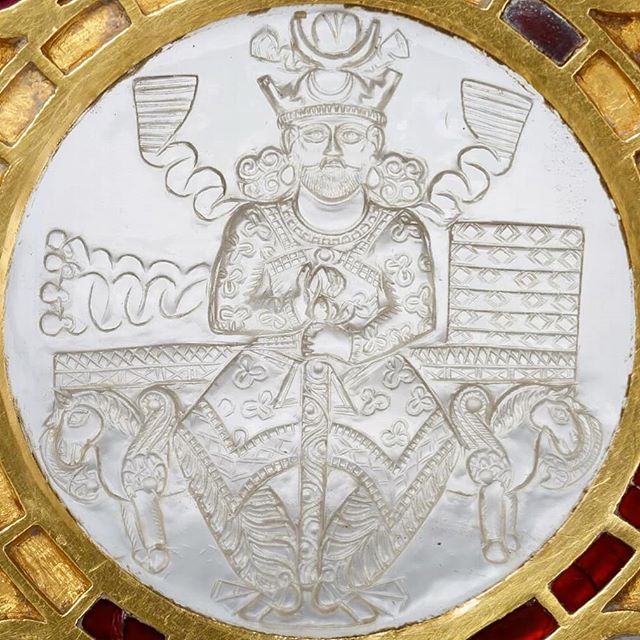
Ardashir I toppled the Parthians, founding the Sasanian dynasty. For 427 years they faced off with Byzantium, maintaining a bipolar world. Zoroastrianism revived as state religion; medieval Persian administrative systems took shape; Manichaeism was founded here. Peak under Khosrow I; defeated at Nineveh (627) and destroyed by Arabs at Nahavand (642).
3 月 20 日 Mani 在薩珊王 Shapur I 前宣教,創立摩尼教。結合祆教二元論、基督教、佛教元素。276 年被新王 Bahram I 處死,但摩尼教流傳至北非、中亞、中國(唐朝稱明教)。8 世紀為維吾爾國教,到 17 世紀中國尚存明教餘緒。
On March 20, Mani preached before Sasanian king Shapur I, founding Manichaeism. It blended Zoroastrian dualism with Christian and Buddhist elements. Executed by the new king Bahram I in 276, but Manichaeism spread to North Africa, Central Asia, and China (called 'Religion of Light' in the Tang). The 8th-century Uyghur state religion; traces survived in China to the 17th century.
相關主軸:Related axes:基督教Christianity佛教Buddhism中亞/北亞Central Asia
Khosrow I 'the Just' (Anushirvan) ascended for a 48-year reign — the Sasanian golden age. He reformed taxes, military, and administration; founded Jundishapur Academy (the world's first medical school); and translated Greek and Indian classics. He defeated Byzantium for northern Syria and drove east against the White Huns. A model king remembered by Arabs and Persians alike.
The most destructive war between Sassanid Persia and Byzantium lasted 26 years and exhausted both empires. Arab Muslim forces rose immediately after and easily conquered both exhausted powers.
On December 12, Emperor Heraclius's Byzantines defeated Khosrow II's Persians at Nineveh, ending the 26-year Sasanian-Byzantine Wars. The Persian king was assassinated by his own soldiers. Both empires were exhausted — opening the door for Arab Islamic armies to sweep both a decade later.
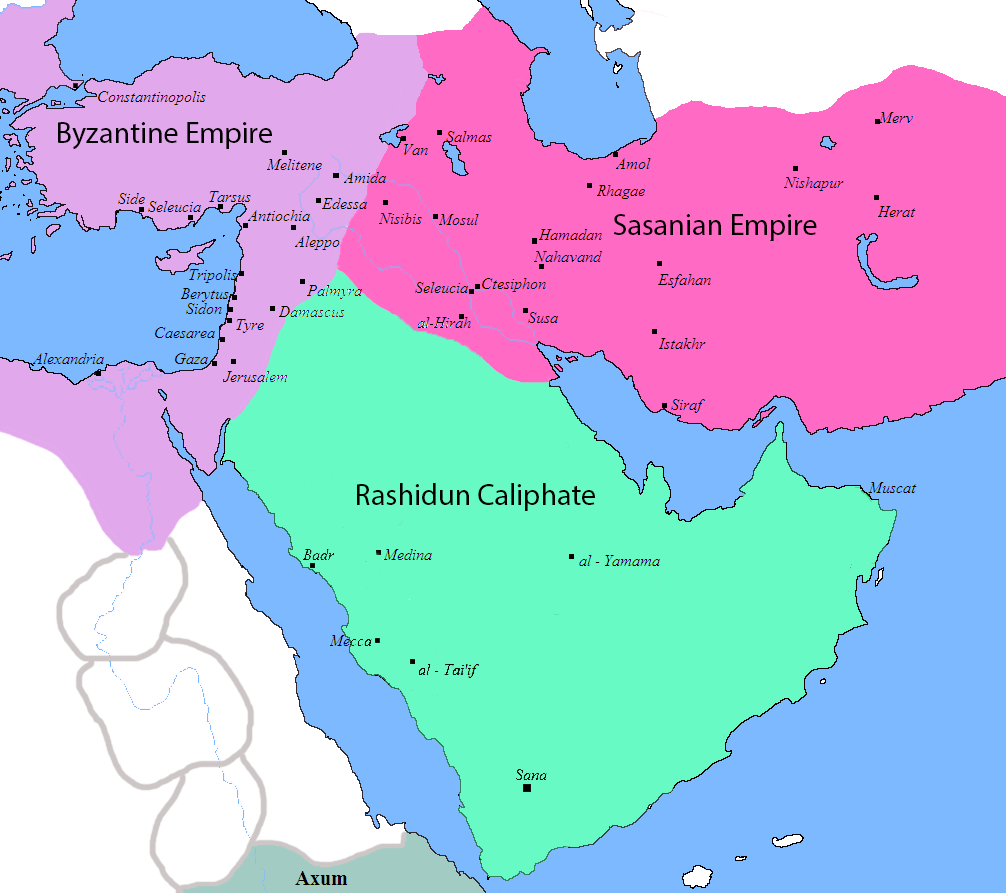
阿拉伯拉希頓哈里發 Umar 派 3 萬軍於 Nahavand 擊敗 Yazdegerd III 集結的 5 萬薩珊軍。薩珊軍主力被殲,波斯本土門戶洞開。-651 Yazdegerd III 被自己人殺,薩珊 427 年王朝終結。伊朗從此進入伊斯蘭時代。
Rashidun Caliph Umar sent 30,000 troops who defeated Yazdegerd III's 50,000-strong Sasanian force at Nahavand. The main Sasanian army was annihilated and Persia's heartland lay open. In 651 Yazdegerd III was killed by his own men, ending the 427-year Sasanian dynasty. Iran entered the Islamic era.
圖:Javierfv1212 and edited by HistoryofIran. · Public domain · Wikimedia CommonsImage: Javierfv1212 and edited by HistoryofIran. · Public domain · Wikimedia Commons
From the Sasanian fall to Safavid founding, Persia was ruled in turn by Arabs, Turks, Mongols, and Timurids for 850 years. But Persian culture conquered its conquerors: New Persian became Islam's second lingua franca, literature like the Shahnameh flourished, polymath giants (Avicenna, Khayyam) emerged, and Bukhara and Samarkand became Islamic cultural centers.
相關主軸:Related axes:伊斯蘭教Islam蒙古帝國Mongol Empire中亞/北亞Central Asia
Abbasid Caliph al-Mansur built the circular city of Baghdad on the Tigris, which quickly became the world's largest city (over 1 million) and heart of the Islamic Golden Age.
A collection of Middle Eastern folk tales within Scheherazade's framing narrative — hundreds of stories from the Arab, Indian, and Persian traditions, influencing world literature.
819 年 Saman 家族四兄弟被阿拔斯哈里發封為 Khorasan 總督,建波斯裔遜尼王朝統治中亞+東伊朗 180 年。首都 Bukhara 成伊斯蘭世界第二大學術中心(僅次巴格達)。贊助新波斯語(Persian in Arabic script)、Rudaki 被譽「波斯詩歌之父」、Avicenna 在此成學。
In 819 the four Saman brothers were appointed Khorasan governors by the Abbasid caliph, founding an ethnic Persian Sunni dynasty that ruled Central Asia and eastern Iran for 180 years. Their capital Bukhara became Islam's second academic center after Baghdad. They patronized New Persian (in Arabic script); Rudaki was hailed as 'father of Persian poetry'; Avicenna was educated here.
Baghdad's House of Wisdom translated Greek, Persian and Indian scientific texts into Arabic, preserving classical knowledge and advancing algebra, optics and medicine.
Firdawsi spent 33 years writing the Shahnameh (Book of Kings) — 60,000 couplets telling Persian legends, myths, and dynasties from creation to the Sasanians. Written in pure Persian (minimal Arabic loanwords), it saved Persian cultural identity from Arabization. Presented to Ghaznavid Sultan Mahmud (who under-rewarded him). For a millennium, it has been the Persian nation's most sacred book.
相關主軸:Related axes:藝術文化Arts & Culture伊斯蘭教Islam中亞/北亞Central Asia
1025 Ibn Sina(阿維森納)完成 5 卷《醫典》,融希臘、阿拉伯、印度醫學;歐亞醫學教科書至 17 世紀。
In 1025, Ibn Sina (Avicenna) completed the 5-volume Canon of Medicine, synthesizing Greek, Arabic, Indian traditions—used in Eurasia until the 17th century.
The Central Asian Seljuk Turks conquered Iran, building an empire from Central Asia to Anatolia. Persian culture survived as Seljuk court culture, with Persian remaining the language of administration and literature.
Seljuk grand vizier Nizam al-Mulk founded the Nizamiyya schools in Baghdad, Nishapur, and Isfahan — the earliest formal university system in the medieval Islamic world (predating Bologna and Paris). Ash'ari Sunni theology and Shafi'i jurisprudence formed the core. Al-Ghazali became head of the Baghdad Nizamiyya in 1091.
Omar Khayyam was commissioned by Seljuk Sultan Malik-Shah to lead calendar reform, producing the Jalali calendar (50x more accurate than the Gregorian). He solved cubic equations in algebra. In retirement he wrote the Rubaiyat — quatrains lamenting life's impermanence and celebrating hedonism. The 19th-century FitzGerald English translation made him the West's most famous Persian poet.
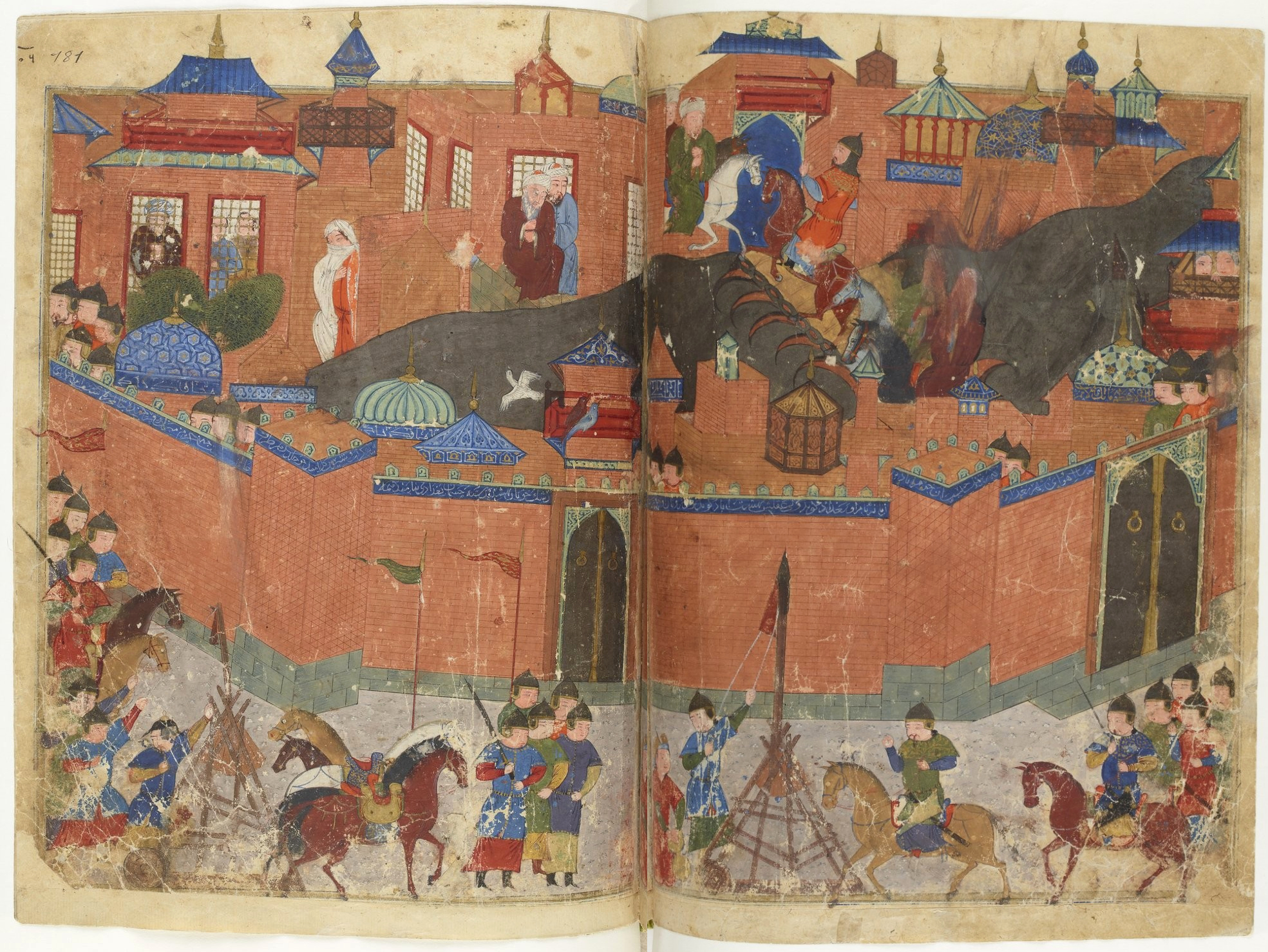
Genghis Khan's grandson Hulagu swept through Iran, destroying cities and irrigation systems and causing massive population loss. The Ilkhanate was subsequently established on Iranian territory.
On December 17, Jalal al-Din Rumi died in Konya. Born to an Afghan Balkh family fleeing Mongols, he settled in Seljuk Konya (Turkey). His 1244 meeting with Shams transformed him; he composed 70,000 couplets of the Masnavi (the Sufi classic, called 'the Quran in Persian'). The Mevlevi Whirling Dervish order was founded by his son. One of America's most popular poets today.
Timur, claiming descent from Genghis Khan, reconquered Iran with notorious brutality but also patronized the arts, making Samarkand an Islamic cultural center.
Shams al-Din Muhammad Hafez reached his creative peak in Shiraz (c. 1370s). His 500+ ghazal lyric poems treat love, wine, and mysticism. Common people used his Divan for divination; Iranians still carry it. Goethe wrote 'West-Eastern Divan' inspired by him; Emerson praised him lavishly — the apex of Persian literature.
Ismail I founded the Safavid dynasty and forcibly converted Persia to Shia Islam — the direct origin of modern Iran's Shia identity. The resulting Sunni-Shia conflict with the Ottomans shaped today's sectarian geopolitics.
Shah Ismail I 建立什葉派神權王國 221 年,強制伊朗改宗十二伊瑪目派什葉,徹底區隔遜尼鄂圖曼。與 Ottoman 世仇開戰(Chaldiran 1514)。Shah Abbas 遷都伊斯法罕(「半個世界」)成文化頂峰。阿富汗人入侵結束王朝。
Shah Ismail I founded a Shia theocratic kingdom for 221 years, forcibly converting Iran to Twelver Shia Islam — sharply separating it from Sunni Ottomans. Century-long war with the Ottomans (Chaldiran 1514). Shah Abbas moved the capital to Isfahan ('half the world'), the cultural peak. Ended by Afghan invasion.
8 月 23 日鄂圖曼 Selim I 於 Chaldiran(今伊朗西北)以火砲大勝薩法維 Shah Ismail I 的鐵騎。波斯失 Diyarbakir、喪威望。但兩大帝國自此明確分野:什葉伊朗 vs 遜尼鄂圖曼,至今伊斯蘭世界教派對立根源。
On August 23, Ottoman Selim I's cannon decisively defeated Safavid Shah Ismail I's cavalry at Chaldiran (today's northwest Iran). Persia lost Diyarbakir and prestige. But this set the clear division of two empires: Shia Iran vs Sunni Ottoman — the root of Islamic world sectarian divides to this day.
相關主軸:Related axes:鄂圖曼帝國Ottoman Empire伊斯蘭教Islam中東Middle East
The Ottoman Empire controlled Palestine for 400 years after defeating the Mamluks, relatively peacefully managing the holy sites of three religions until Britain took over after WWI.
Under Abbas I the Safavid Empire reached its peak. The capital Isfahan, with its magnificent mosques, bazaars and palaces, was called 'half the world' — one of the most spectacular cities of its time.
Shah Abbas 大帝遷都伊斯法罕,興建 Naqsh-e Jahan 廣場(世界第二大)、Shah Mosque、Sheikh Lotfollah Mosque 等傑作。Isfahan 人口 60 萬、500 家清真寺、1800 間商隊旅館,波斯諺語「Isfahan 半個世界」。東亞明、印度莫臥兒、歐洲王都派使。
Shah Abbas the Great moved the capital to Isfahan, building Naqsh-e Jahan Square (the world's second largest), the Shah Mosque, Sheikh Lotfollah Mosque, and other masterpieces. Isfahan had 600,000 people, 500 mosques, 1,800 caravanserais — a Persian saying: 'Isfahan is half the world.' Ming China, Mughal India, and European powers sent envoys.
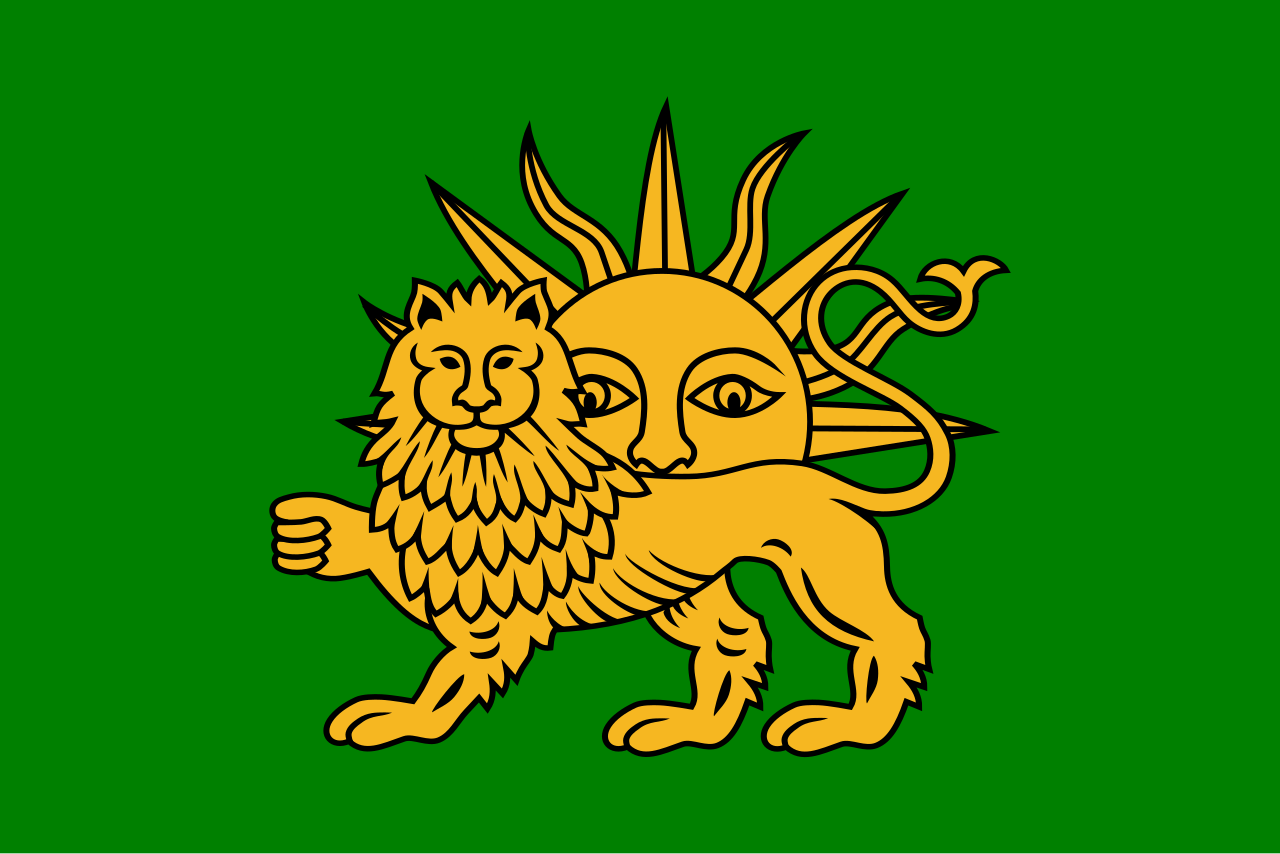
圖:Safavid_Flag.png: Orange Tuesday (talk)
The original uploader was Orange Tuesday · Public domain · Wikimedia CommonsImage: Safavid_Flag.png: Orange Tuesday (talk)
The original uploader was Orange Tuesday · Public domain · Wikimedia Commons
Afghan Ghilzai tribes captured Isfahan, ending the Safavid dynasty. Iran fell into half a century of chaos before Nader Shah briefly reunited it, but fragmentation resumed until the Qajar dynasty.
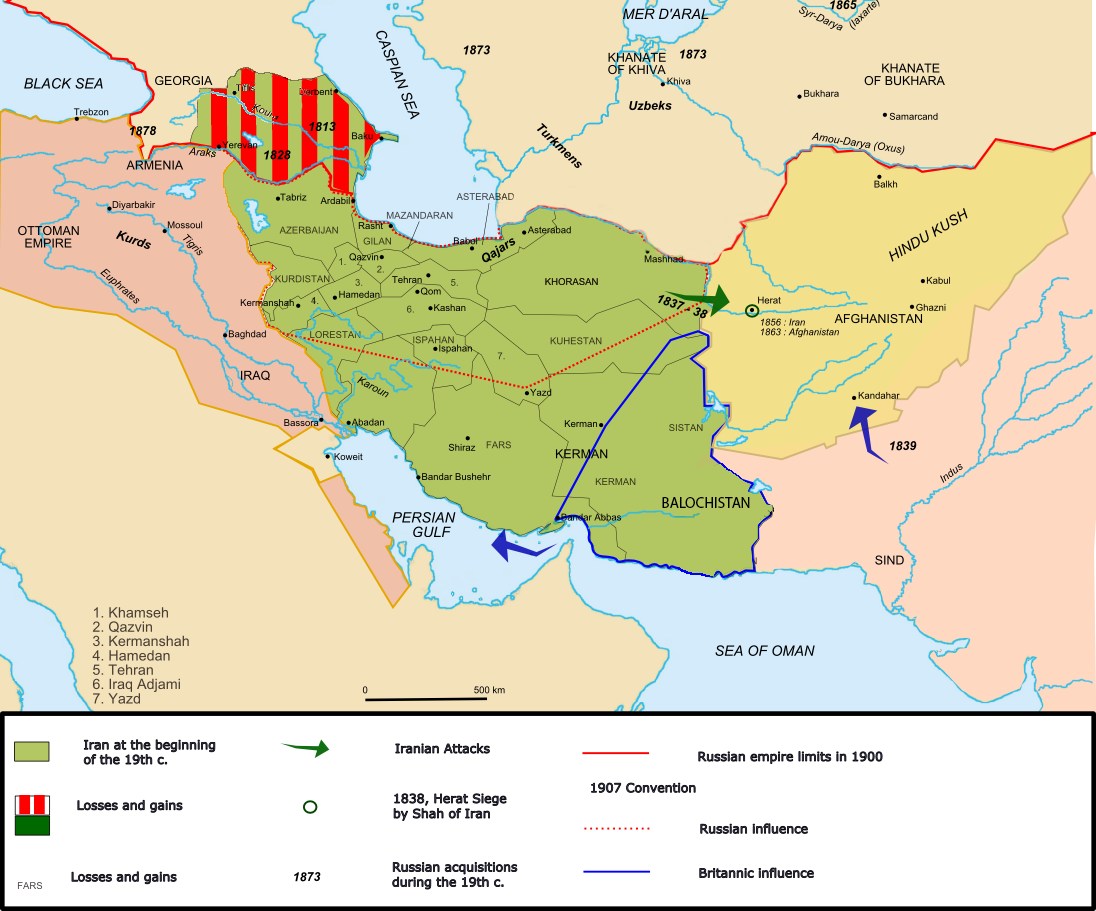
Turkmen 部族 Qajar 首領 Agha Mohammad Khan 統一伊朗建 Qajar 王朝,遷都德黑蘭。136 年(1789-1925)統治伊朗,見證 19 世紀歐洲列強(英俄)瓜分伊朗勢力範圍、失高加索(1813 Gulistan, 1828 Turkmenchay 條約對俄)、發現石油、立憲革命。
Turkmen tribal chief Agha Mohammad Khan of the Qajars unified Iran and founded the Qajar dynasty, moving the capital to Tehran. Ruling Iran 136 years (1789-1925), they saw 19th-century Britain and Russia carve up spheres of influence, lost the Caucasus (1813 Gulistan, 1828 Turkmenchay treaties to Russia), discovered oil, and weathered the Constitutional Revolution.
In 1856-57 Britain refused to let Qajar Iran occupy Afghanistan's Herat and went to war; British troops landed in southern Iran at Bushehr and Khorramshahr. The 1857 Treaty of Paris forced Iran to abandon Herat and recognize Afghan independence. A key event in the 19th-century 'Great Game' excluding Iran from Central Asia.
相關主軸:Related axes:英國United Kingdom大英帝國British Empire中亞/北亞Central Asia
Shah Nasir al-Din 將煙草專賣權賣給英國公司引爆全國抗議。Shi'a 最高 marja Mirza Shirazi 發 fatwa 禁煙,連 Shah 後宮皆參與抵制。Shah 被迫 1892 年取消特許。是伊朗現代民族主義首次大規模勝利,預示 1906 立憲革命。
When Shah Nasir al-Din sold tobacco monopoly to a British company, nationwide protests erupted. Top Shia marja Mirza Shirazi issued a fatwa banning tobacco — even the Shah's harem joined the boycott. Forced to revoke the concession in 1892, it was modern Iranian nationalism's first mass victory — foreshadowing the 1906 Constitutional Revolution.
The Middle East's first modern constitutional revolution demanded a parliament and constitution to limit Qajar autocracy. But Anglo-Russian intervention suppressed the gains, planting seeds of anti-Western nationalism.
Britain and Russia secretly divided Iran into spheres of influence without informing the Iranian government — a severe violation of sovereignty that intensified Iranian nationalism.
British engineers discovered a major oil field in southwestern Iran. The Anglo-Persian Oil Company (predecessor of BP) took the rights, keeping most profits, fueling Iranian nationalist resentment.
Military strongman Reza Khan overthrew the Qajars and established the Pahlavi dynasty, forcibly modernizing Iran like Atatürk: banning veils, building railways, promoting education — but suppressing opposition autocratically.
Reza Shah asked the world to use 'Iran' (Land of the Aryans) instead of 'Persia,' emphasizing national identity and modernity over ancient imperial associations.
Britain and the Soviet Union jointly invaded Iran to prevent it from aligning with Nazi Germany, forcing Reza Shah to abdicate in favor of his son Mohammad Reza and securing Iranian oil and supply routes.
圖:Harry S. Truman Library & Museum · Public domain · Wikimedia CommonsImage: Harry S. Truman Library & Museum · Public domain · Wikimedia Commons
Democratically elected PM Mosaddegh nationalized the British-controlled oil industry with overwhelming public support. Britain embargoed Iranian oil and joined the US in engineering the 1953 coup to remove him.
圖:Unknown photographerUnknown photographer of United Press International · Public domain · Wikimedia CommonsImage: Unknown photographerUnknown photographer of United Press International · Public domain · Wikimedia Commons
When Iran's democratically elected PM Mosaddegh nationalized oil, Britain and America's CIA engineered a coup, installing the autocratic Shah. This became the root of Iranian anti-Americanism, directly causing the 1979 revolution.
Saudi Arabia, Iraq, Iran, Kuwait and Venezuela founded OPEC to counter Western oil company monopolies and reclaim control over pricing their own resources.
Mohammad Reza Shah launched top-down modernization: land reform, women's suffrage, worker profit-sharing, literacy programs. But the reforms alienated landowners and clergy. Khomeini publicly opposed them and was exiled, planting seeds of the 1979 revolution.
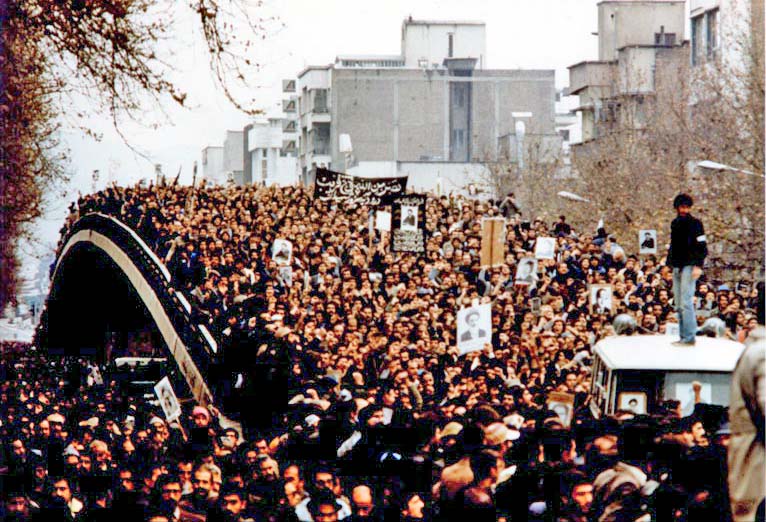
11 月 4 日 Ayatollah Khomeini 因公開反對 Shah 的「Capitulation Law」(授美軍人員治外法權)被逮捕流亡土耳其,後伊拉克 Najaf。15 年流亡中建立反 Shah 網絡、錄製布道卡帶秘密進口。1978 年被驅逐到巴黎,1979 凱旋返伊朗領導革命。
On November 4, Ayatollah Khomeini was arrested and exiled to Turkey (later Najaf, Iraq) for publicly opposing the Shah's 'Capitulation Law' granting extraterritoriality to US military personnel. In 15 years of exile he built an anti-Shah network and smuggled sermon cassettes home. Expelled to Paris in 1978, he returned triumphantly to Iran in 1979 to lead the revolution.
圖:Warren K. Leffler, U.S. News & World Report Magazine · Public domain · Wikimedia CommonsImage: Warren K. Leffler, U.S. News & World Report Magazine · Public domain · Wikimedia Commons
After the Yom Kippur War, Arab OPEC members embargoed Western nations supporting Israel. Oil prices quadrupled, causing global recession and alerting the West to its dangerous dependence on Middle Eastern oil.
After the Islamic Revolution, students seized the US Embassy and held 52 hostages for 444 days, completely severing US-Iran relations. Carter's failed rescue led to his defeat, marking the start of 40 years of US-Iran confrontation.
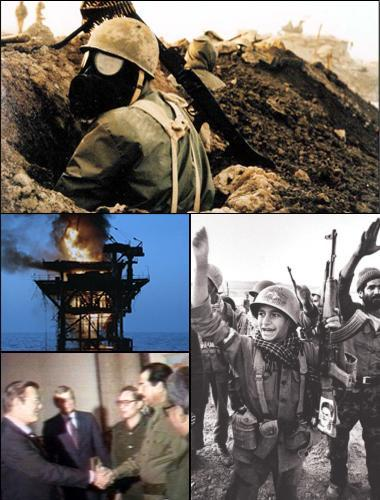
圖:Uploader was gIre_3piCH2005 at fa.wikipedia · Public domain · Wikimedia CommonsImage: Uploader was gIre_3piCH2005 at fa.wikipedia · Public domain · Wikimedia Commons
Saddam invaded Iran amid post-revolution chaos with covert US support. Eight years of war killed over a million people, ending in a ceasefire with no border changes but both nations exhausted.
On June 3, Khomeini died of heart failure; 2 million mourners attended and the coffin was bumped out of hands in the chaos. Designated successor Montazeri fell for criticizing revolutionary excesses; Khamenei unexpectedly became Supreme Leader (now 36 years). Constitutional amendments expanded Supreme Leader powers; Iran entered the 'moderate' yet still theocratic post-revolutionary era.
Iran's secret nuclear program was exposed, triggering 20 years of sanctions and diplomacy. Iran insisted on peaceful use; Israel and the US suspected weapons development. The 2015 deal briefly eased tensions before the US withdrew in 2018.
On September 16, 22-year-old Kurdish woman Mahsa Amini died in morality police custody after being arrested for 'improper hijab.' Nationwide women-led 'Zan, Zendegi, Azadi' (Woman, Life, Freedom) protests erupted for 6 months. The regime executed protesters, but women publicly refusing hijab became the new normal — the greatest challenge to theocracy since 1979.
相關主軸:Related axes:伊斯蘭教Islam跨文明Cross-Civilization中亞/北亞Central Asia