大坌坑文化(新石器) Dapenkeng Culture

臺灣新石器時代早期文化,已有農耕與陶器,被認為是南島語族的祖先文化。
Taiwan's early Neolithic culture with farming and pottery, considered the ancestral culture of Austronesian peoples.
五千年前南島民族在此起源,他們的語言最終傳遍太平洋。此後台灣經歷了荷蘭、鄭氏、清朝、日本的統治,直到被捲入 20 世紀的戰爭漩渦。
Five millennia ago Austronesian seafarers launched from these shores and scattered their language across the Pacific. Taiwan then passed through the hands of the Dutch, the Ming-Zheng, the Qing, and the Japanese—until the 20th century's wars caught it entirely.
在互動時間軸上瀏覽 → Open in interactive timeline →臺灣新石器時代早期文化,已有農耕與陶器,被認為是南島語族的祖先文化。
Taiwan's early Neolithic culture with farming and pottery, considered the ancestral culture of Austronesian peoples.

語言學與遺傳學研究顯示,臺灣可能是南島語族的發源地,其後裔擴散至太平洋、印度洋各島嶼。
Linguistic and genetic research suggests Taiwan may be the homeland of Austronesian peoples, whose descendants spread across the Pacific and Indian Oceans.

語言學證據指台灣為南島語族發源地,向南擴散至太平洋。
Linguistic evidence suggests Taiwan as the origin point of Austronesian dispersal across the Pacific.

臺灣北部金屬器時代文化,已使用鐵器,被認為是凱達格蘭族的祖先。
Iron Age culture in northern Taiwan, believed to be ancestors of the Ketagalan people.

臺灣原住民族多達16族,發展出豐富多元的文化,在平原、山地與東部各自建立部落社會。
Over 16 indigenous tribes develop rich and diverse cultures across Taiwan's plains, mountains, and eastern coast.
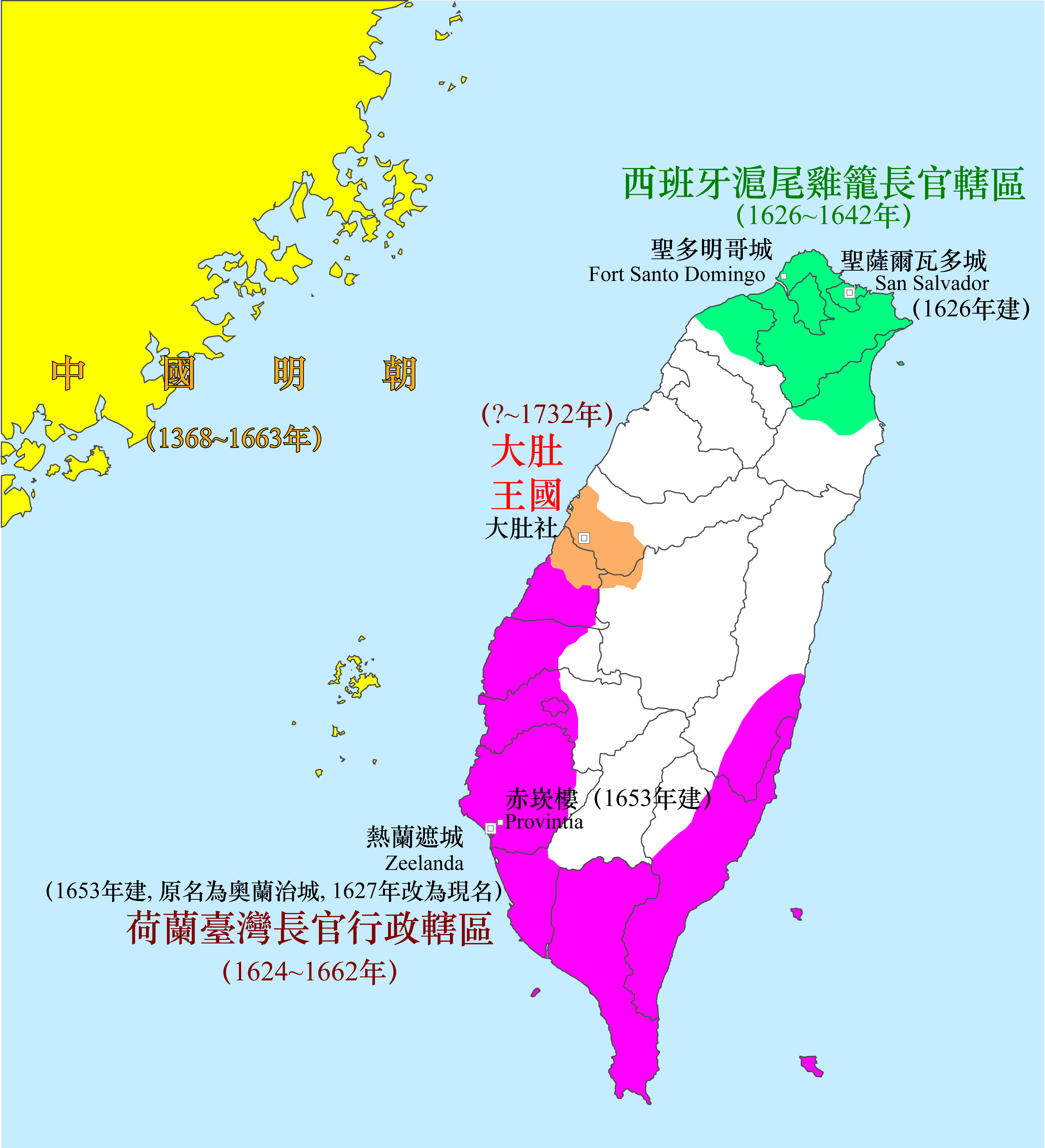
臺灣中部超部落聯盟,由巴布拉族與巴則海族組成,曾抵抗荷蘭與鄭氏政權,1732年遭清朝鎮壓瓦解。
A confederation of tribes in central Taiwan, resisting Dutch and Ming-Zheng rule; dissolved after Qing suppression in 1732.

葡萄牙航海者航經臺灣海峽,驚嘆其美景而命名「Ilha Formosa(美麗之島)」,此名沿用至今。
Portuguese sailors, passing through the Taiwan Strait, name the island 'Ilha Formosa' (Beautiful Isle), a name still used today.

荷蘭東印度公司佔據臺灣西南部,建熱蘭遮城,引進農業技術與外來物種,開始系統化開發臺灣。
The Dutch East India Company occupies southwestern Taiwan, builds Fort Zeelandia, introduces agriculture and trade, systematically developing the island.

西班牙佔領雞籠(基隆)與淡水,建聖薩爾瓦多城,1642年被荷蘭人驅逐。
Spain occupies Keelung and Tamsui, builds Fort San Salvador; expelled by the Dutch in 1642.

荷蘭傳教士以羅馬拼音記錄原住民語言,留下新港文書。
Dutch missionaries recorded indigenous languages in Roman script, creating the Sinckan Manuscripts.

鄭成功驅逐荷蘭人,在臺建立第一個漢人政權,推行屯田政策,大量漢人移民來臺。
Koxinga (Zheng Chenggong) expels the Dutch, establishes Taiwan's first Han Chinese government, and promotes Han immigration.

施琅攻台,明鄭降清。清朝統治212年,臺灣從福建省一府三縣逐步發展為獨立建省,人口大增。
Shi Lang's naval victory ends Ming-Zheng rule. Qing governs Taiwan for 212 years, eventually making it a separate province.
閩粵移民大量湧入台灣,漢人逐漸成為主要人口。
Massive immigration from Fujian and Guangdong. Han Chinese gradually became the dominant population.
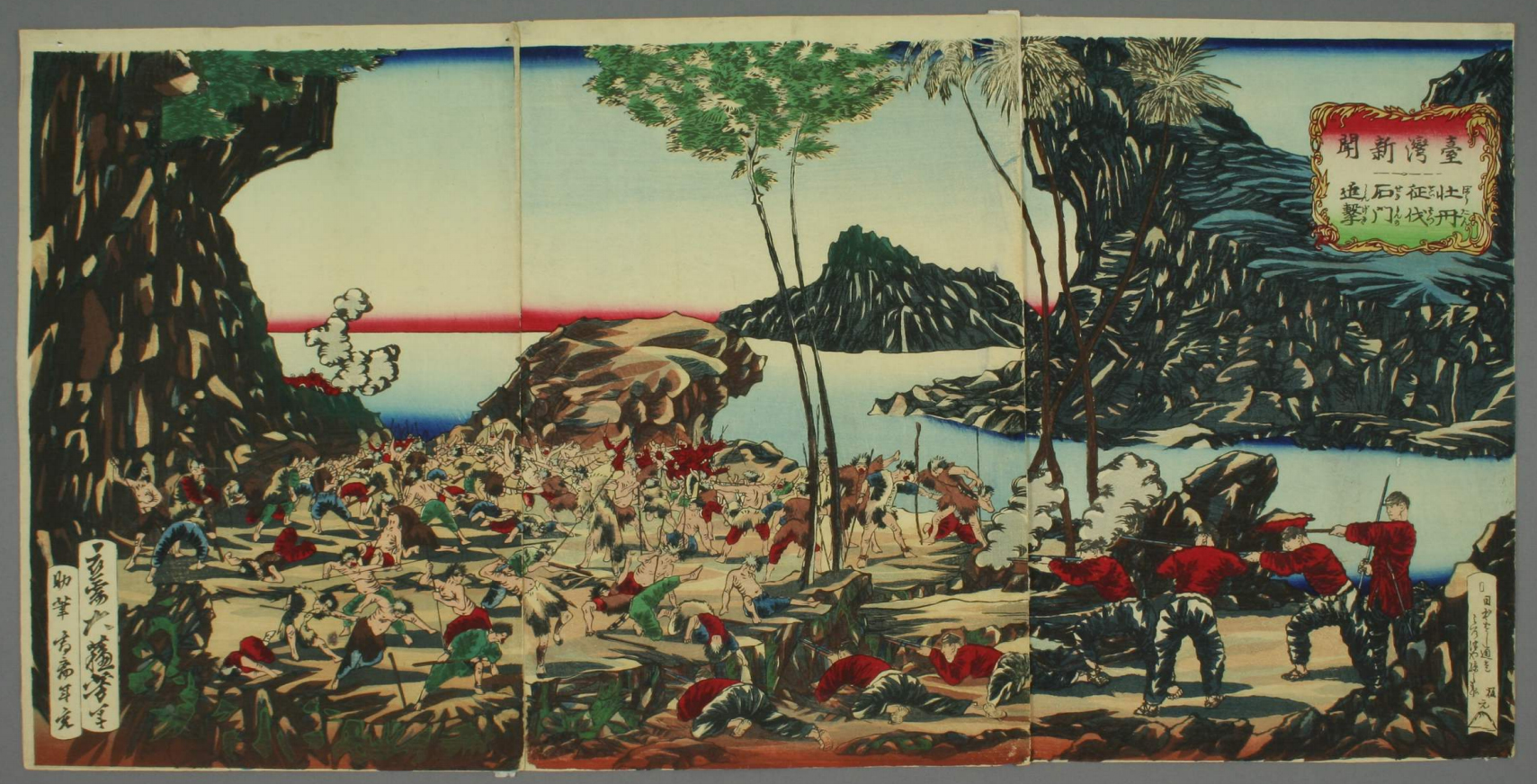
日本藉琉球漂民事件出兵台灣,清朝開始重視台灣防務。
Japan sent troops to Taiwan over the Mudan incident. Qing began to prioritize Taiwan's defense.

清法戰爭後,臺灣從福建省獨立出來成為臺灣省,劉銘傳就任首任巡撫,積極推動現代化建設。
After the Sino-French War, Taiwan becomes a separate province; Liu Mingchuan becomes its first governor and modernizes the island.

清朝敗給日本,割讓台灣,東亞格局劇變。
Qing lost to Japan, ceded Taiwan. Dramatically shifted East Asian power dynamics.

甲午戰爭清朝戰敗,與日本簽訂馬關條約,將臺灣、澎湖割讓予日本,臺灣民主國短暫抵抗失敗。
China loses the First Sino-Japanese War and cedes Taiwan to Japan via the Treaty of Shimonoseki; the Taiwan Republic briefly resists.
日本統治臺灣50年,推行現代化建設(鐵路、醫療、教育),也實施殖民壓迫與皇民化政策。
Japan rules Taiwan for 50 years, modernizing infrastructure (railways, medicine, education) while implementing colonial oppression and Japanization policies.

東亞人類學之父,四次來台系統調查原住民文化。
Father of East Asian anthropology. Conducted four systematic surveys of Taiwan's indigenous peoples.

提出台灣原住民「4群8族11部」分類體系。
Proposed the '4 groups, 8 tribes, 11 divisions' classification of Taiwan's indigenous peoples.

「生蕃行腳」作者。因無力阻止五年理蕃計畫而投海自盡。
Author of 'Journeys Among the Savages'. Committed suicide at sea, unable to stop the aboriginal subjugation policy.
基隆至高雄縱貫鐵路全線通車,日治重大基礎建設。
Keelung-Kaohsiung trunk railway completed. Major Japanese-era infrastructure.

阿美族七腳川社抗日事件,日軍焚毀部落並強制遷移。
Amis people of Chikaokawan resisted Japanese rule. The village was burned and residents forcibly relocated.

佐久間左馬太總督武力征服原住民部落,沒收槍械。
Governor Sakuma's military campaign to subjugate indigenous tribes and confiscate weapons.

林獻堂等人成立,推動台灣人自覺運動。
Founded by Lin Xiantang and others to promote Taiwanese cultural awareness.

台灣大學前身,日治時期最高學府。
Predecessor of National Taiwan University. The highest institution of learning during Japanese rule.

賽德克族首領莫那魯道率族人武裝抗日,是日治時期最大規模的原住民武裝起義。
Seediq chief Mona Rudao leads an armed uprising against Japanese rule, the largest indigenous resistance during Japanese occupation.

八田與一設計,東亞最大水利工程,嘉南平原成為穀倉。
Designed by Hatta Yoichi. Largest irrigation system in East Asia. Transformed Jianan Plain into a granary.

「八二粁一四五米」作者。博物學家,深入台灣高山進行生態調查,1945年失蹤於北婆羅洲。
Author of '82km 145m'. Naturalist who explored Taiwan's mountains. Disappeared in North Borneo in 1945.

日本推行同化政策,要求台灣人改日本姓名、參拜神社。
Japan enforced assimilation: Japanese names, Shinto worship, and Japanese-language-only policies.
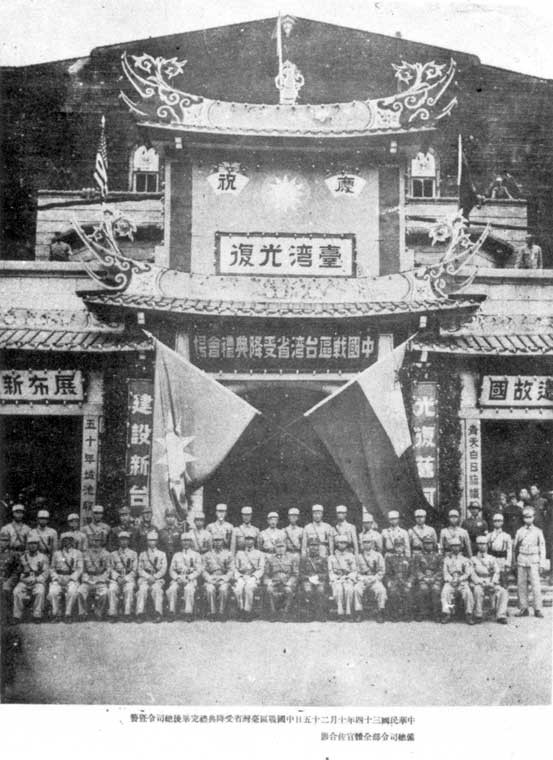
日本投降,台灣結束 50 年日治,回歸中華民國。
Japan surrendered. Taiwan returned to the Republic of China after 50 years of Japanese rule.

8 月 15 日昭和天皇玉音放送宣布接受波茨坦宣言,9 月 2 日在東京灣密蘇里號戰艦簽署投降書,二戰正式結束。
On August 15, Emperor Hirohito announced acceptance of the Potsdam Declaration. On September 2, Japan signed the instrument of surrender aboard USS Missouri in Tokyo Bay, ending WWII.

國民黨與共產黨全面內戰。共產黨勝利,國民黨退守台灣。
Full-scale civil war between KMT and CPC. CPC victory; KMT retreated to Taiwan.
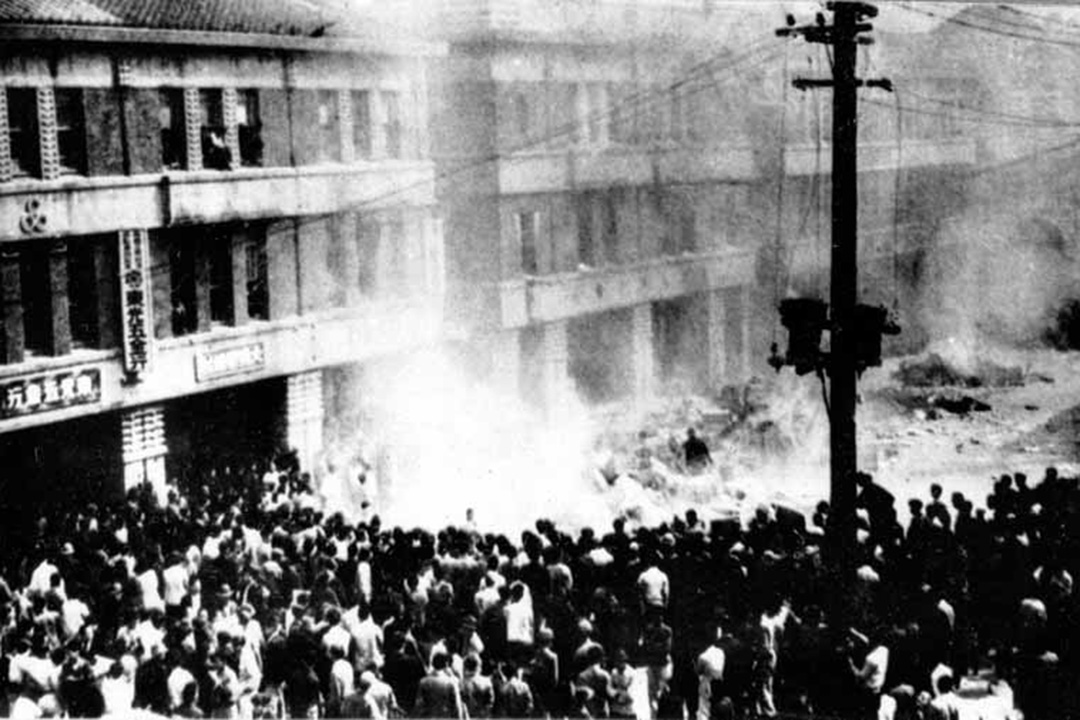
1947年2月28日爆發的省民反抗國民政府事件,遭武力鎮壓,數萬人罹難,影響臺灣社會深遠。
On Feb. 28, 1947, an uprising against the KMT government is violently suppressed; tens of thousands die, leaving a deep scar on Taiwanese society.

中華民國宣布戒嚴,長達38年,是世界上持續時間最長的戒嚴之一,限制人民自由與政治活動。
Martial law lasting 38 years — one of the world's longest — restricts civil liberties and political activities.

國共內戰失利後,中華民國政府播遷臺灣,帶來大量軍民與文物,開始長期統治臺灣。
After losing the Civil War, the ROC government retreats to Taiwan, bringing large numbers of soldiers, civilians, and cultural artifacts.

戒嚴下的政治迫害,數萬人受害。
Political persecution under martial law. Tens of thousands affected.

台灣文化輸出代表,歌聲傳遍華人世界與日本。
Icon of Taiwanese cultural export. Her voice reached the entire Chinese-speaking world and Japan.

臺灣從農業經濟快速轉型為出口導向工業,成為亞洲四小龍之一,人均所得大幅提升。
Taiwan rapidly transforms from agriculture to export-oriented industry, becoming one of the Four Asian Tigers with dramatically rising living standards.

蔣經國推動十大建設,台灣經濟起飛。
Chiang Ching-kuo launched Ten Major Construction Projects, driving Taiwan's economic takeoff.

民主運動人士在高雄遊行遭鎮壓,台灣民主化的重要轉折。
Pro-democracy rally in Kaohsiung was suppressed, becoming a turning point for Taiwan's democratization.
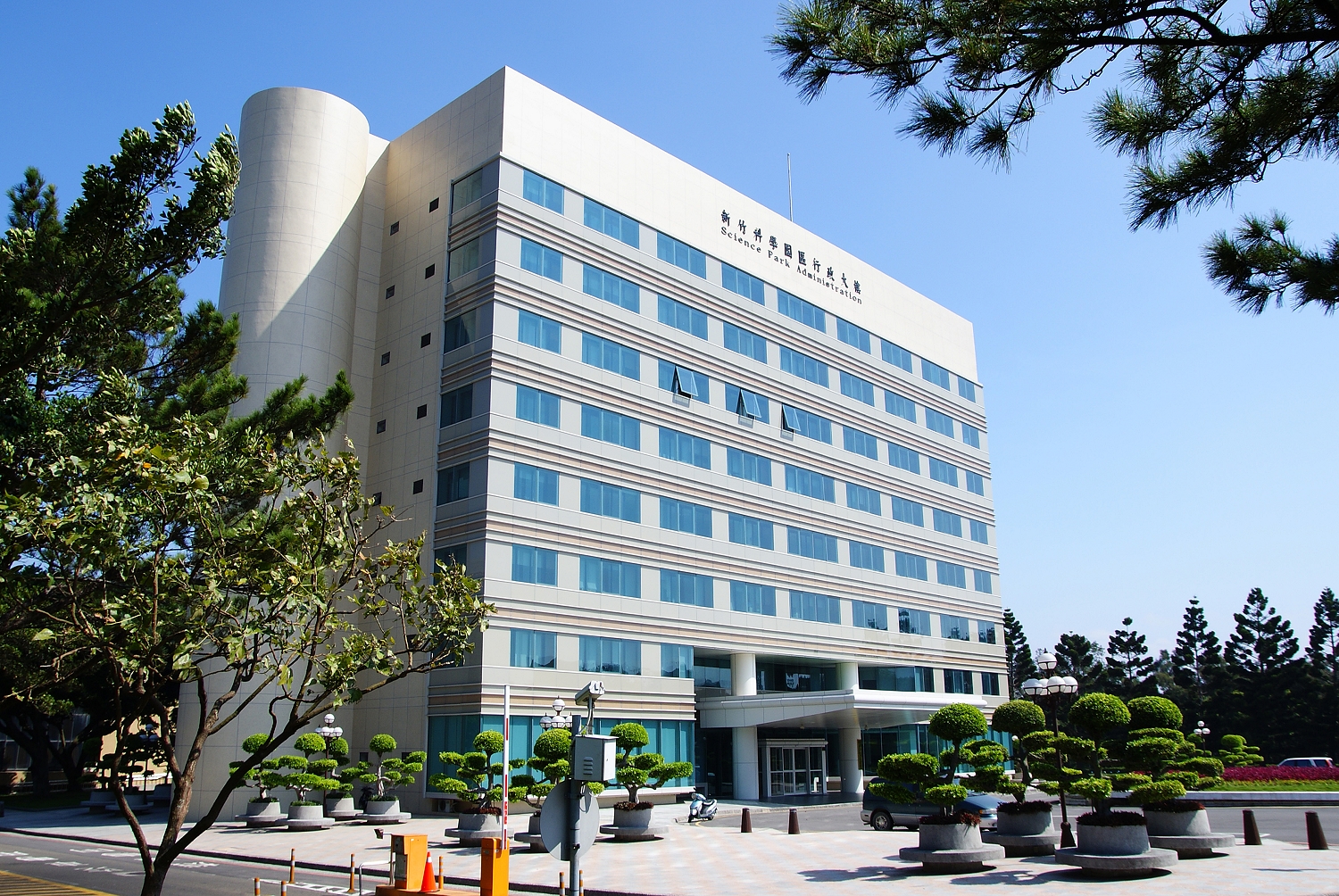
台灣半導體產業基地,孕育台積電、聯電等。
Foundation of Taiwan's semiconductor industry base, incubating TSMC, UMC, etc.

張忠謀創立台灣積體電路製造公司(台積電),開創晶圓代工模式,成為全球半導體產業核心。
Morris Chang founds TSMC, pioneering the semiconductor foundry model; TSMC becomes the world's most critical chipmaker.
蔣經國宣布解除戒嚴,臺灣開始民主化歷程,開放黨禁、報禁,走向自由民主社會。
Chiang Ching-kuo lifts martial law, beginning Taiwan's democratization: lifting bans on political parties and press freedom.

蔣經國去世,李登輝成為首位台灣出生的總統,開啟民主轉型。
Chiang Ching-kuo died. Lee Teng-hui became the first Taiwan-born president, initiating democratic reforms.

威尼斯金獅獎,首部觸及二二八的台灣電影。
Venice Golden Lion. First Taiwanese film to address the 228 Incident.

「山胞」正式改稱「原住民」,消弭族稱歧視。
'Mountain compatriots' officially renamed to 'indigenous peoples', ending discriminatory terminology.

臺灣舉行首次總統直接選舉,李登輝當選,是華人社會第一次民主直選總統,具有重大歷史意義。
Taiwan holds its first direct presidential election; Lee Teng-hui wins in a historic milestone for Chinese-speaking democracies.

陳水扁當選總統,國民黨首次失去政權。
Chen Shui-bian elected president. KMT lost power for the first time.

台灣導演李安獲奧斯卡最佳外語片,台灣電影國際突破。
Taiwanese director Ang Lee won Oscar for Best Foreign Language Film. International breakthrough for Taiwan cinema.
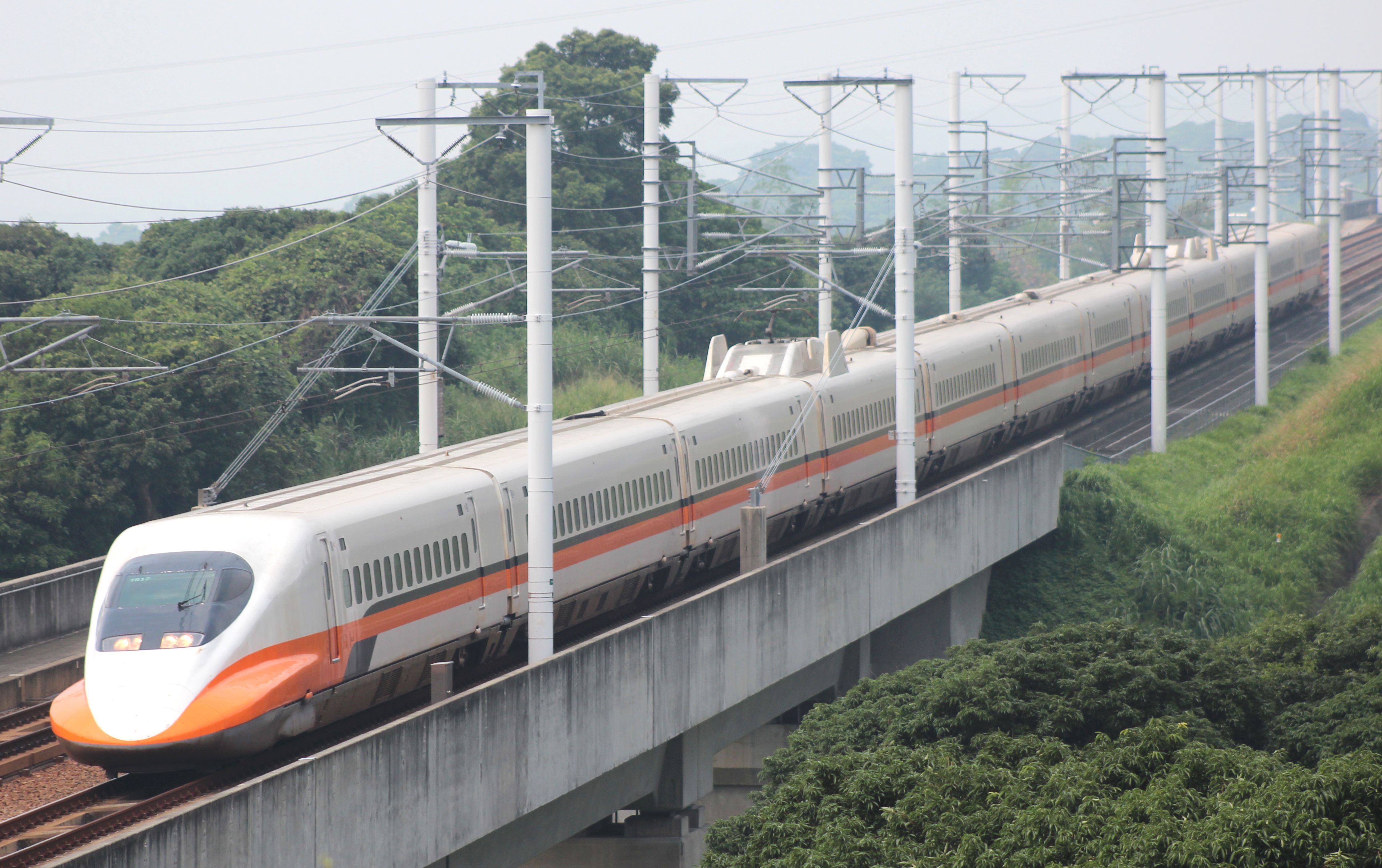
台北至高雄 345 公里,最快 90 分鐘,南北一日生活圈。
345 km from Taipei to Kaohsiung in 90 minutes. Created a one-day commuting circle.

反服貿學生運動佔領立法院,影響台灣政治走向。
Anti-CSSTA student movement occupied the Legislative Yuan, reshaping Taiwan's political landscape.
蔡英文當選總統,民進黨重新執政。
Tsai Ing-wen elected president. DPP returned to power.

台積電市值超越三星,成為全球最大半導體代工廠。
TSMC surpassed Samsung to become the world's largest semiconductor foundry.
立法院通過,西拉雅等九族可申請平埔原住民身分。
Legislature passed law allowing Siraya and eight other plains indigenous groups to apply for official recognition.