From Minoan palaces to the Parthenon, then the collapse of democratic Athens. Three millennia in which Greeks invented Western civilization, then watched it destroy itself.
📌 內容與授權:本頁事件說明文字(中英)為 Cosmic History Timeline 編輯整理。
圖片來自 Wikimedia Commons,作者與授權詳見每張圖下方連結。
延伸閱讀的 Wikipedia 與 Amazon 連結著作權歸原權利人;Amazon 連結為聯盟連結(不影響你的價格)。
📌 Sources & Credits: Event descriptions (zh / en) are editorial work by Cosmic History Timeline.
Images are sourced from Wikimedia Commons — author and license shown below each image.
Wikipedia and Amazon links belong to their respective rights holders; Amazon links are affiliate links (no extra cost to you).
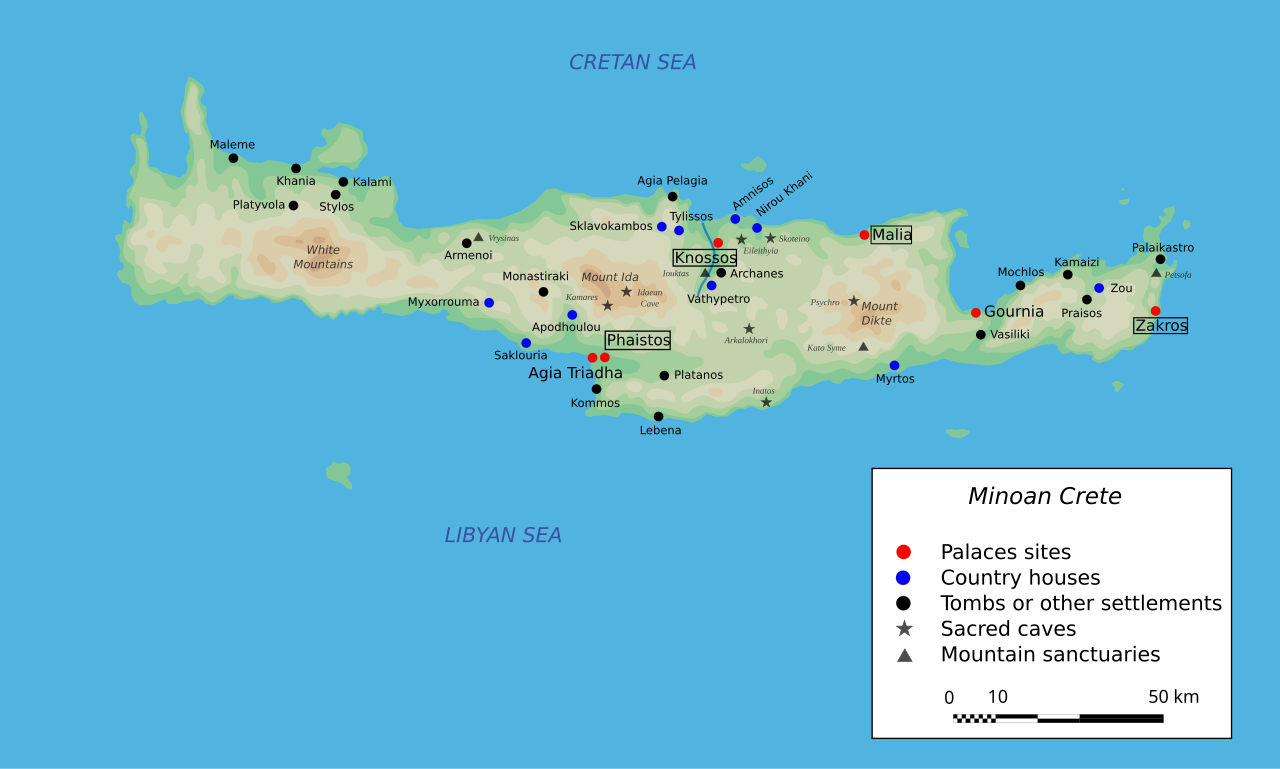
The Minoan civilization on Crete was Europe's first high culture — famed for the Knossos palace complex, Linear A script, frescoes, and the Labyrinth myth. Battered by the 1628 BC Santorini eruption and replaced by Mycenaeans by 1450 BC. The 'mother culture of Europe.'
The dominant Greek Bronze Age civilization; the historical context of the Trojan War; collapsed due to the Sea Peoples invasion, leading to the Greek Dark Ages.
After Mycenaean collapse, Greece entered a dark age of population decline and lost literacy, gradually transitioning to iron use before the classical Greek civilization emerged.
The first Pan-Hellenic games were held at Olympia before the temple of Zeus in Elis. Held every four years, participants were only Greek men; city-states observed the Olympic Truce during games. The Greek calendar started from this year. The games lasted 1,170 years, banned as pagan by Theodosius in 393.
Athenian archon Solon proclaimed 'Seisachtheia' (shaking off burdens) — canceling debts, abolishing debt slavery, stratifying citizens into four property classes, and rewriting the law code. Ending aristocratic monopoly, his reforms laid the groundwork for Cleisthenes's 508 BC democratic revolution.
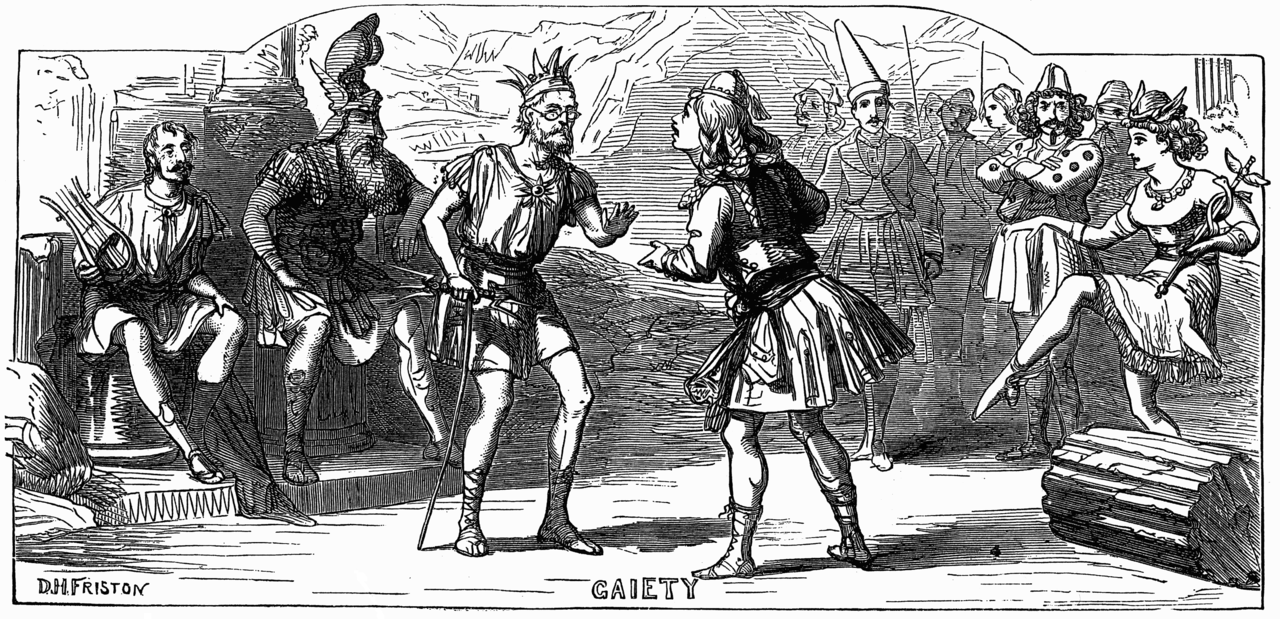
At the Athenian Dionysia festival, Thespis first stepped out of the chorus to dialogue as an actor — regarded as the first actor in Western drama (the English 'thespian' derives from him). The Dionysia became ancient Greece's most important cultural event, nurturing Aeschylus, Sophocles, and Euripides.
Jews returning from Babylon rebuild the Jerusalem Temple; the Second Temple Period is crucial for Jewish development until its destruction by Rome in 70 CE.
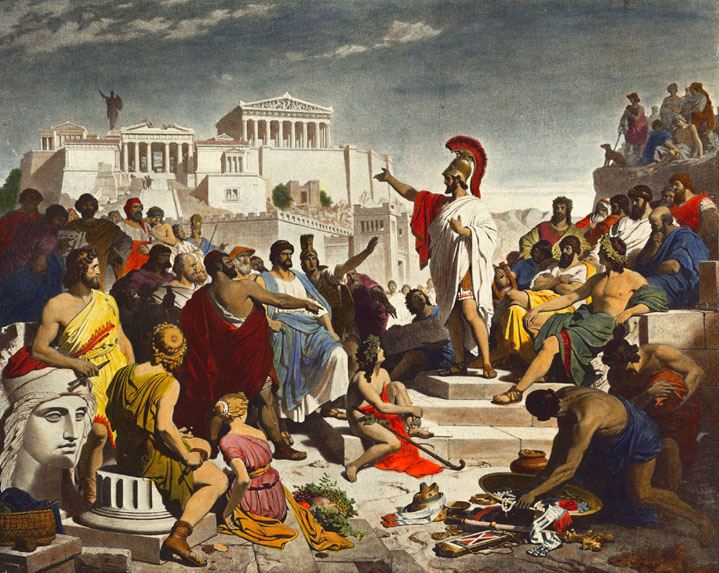
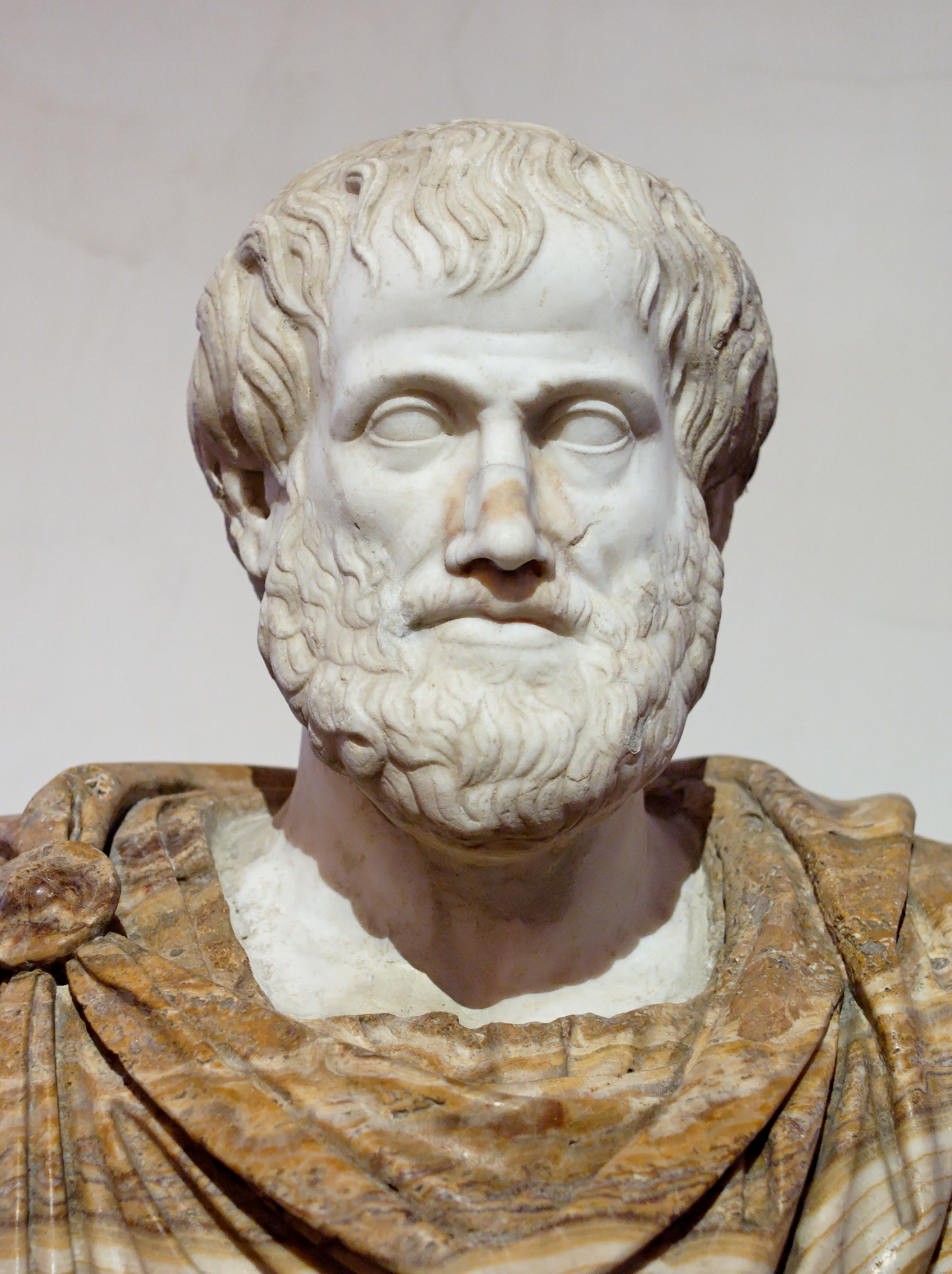
From Cleisthenes's 508 BC democratic reforms to the Macedonian suppression of Athenian democracy in 322 BC, 186 years of Classical Athens birthed Western civilization: democracy, drama (Sophocles, Euripides), philosophy (Socrates, Plato, Aristotle), history (Herodotus, Thucydides), and architecture (Parthenon).
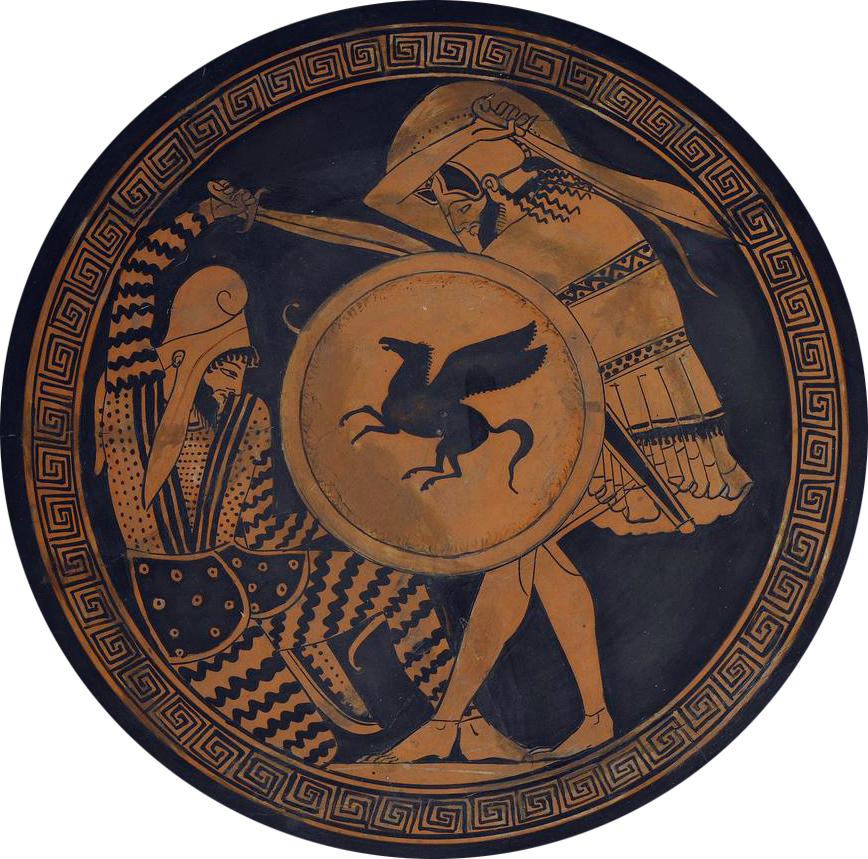
Darius I's Persian forces invaded Greece but were defeated by Athenian soldiers at Marathon — Persia's first major defeat and a symbolic victory of Western civilization against eastern empire.
In August, Spartan King Leonidas and 300 elites plus a few thousand Greek allies held Thermopylae against Xerxes's Persian army for three days. All died, but the delay gave the Greek navy time for the decisive Salamis victory. An eternal symbol of Greek freedom resisting tyranny.
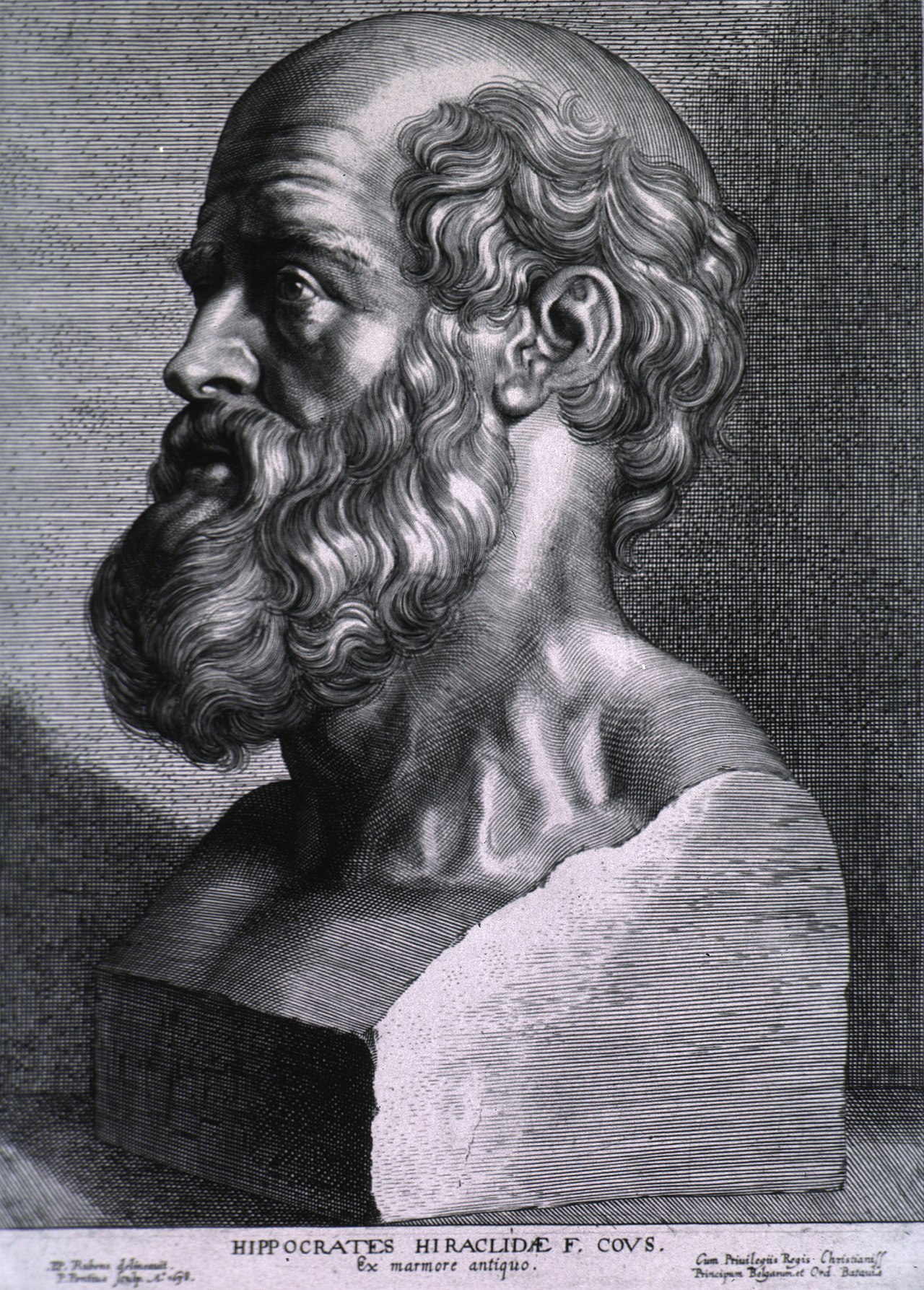
圖:Paulus Pontius / After Peter Paul Rubens · Public domain · Wikimedia CommonsImage: Paulus Pontius / After Peter Paul Rubens · Public domain · Wikimedia Commons
西方醫學之父,將醫學從迷信提升為理性學科,希波克拉底誓詞至今仍是醫學倫理的基礎。
Father of Western medicine; elevated medicine from superstition to rational discipline; the Hippocratic Oath remains medicine's ethical foundation.
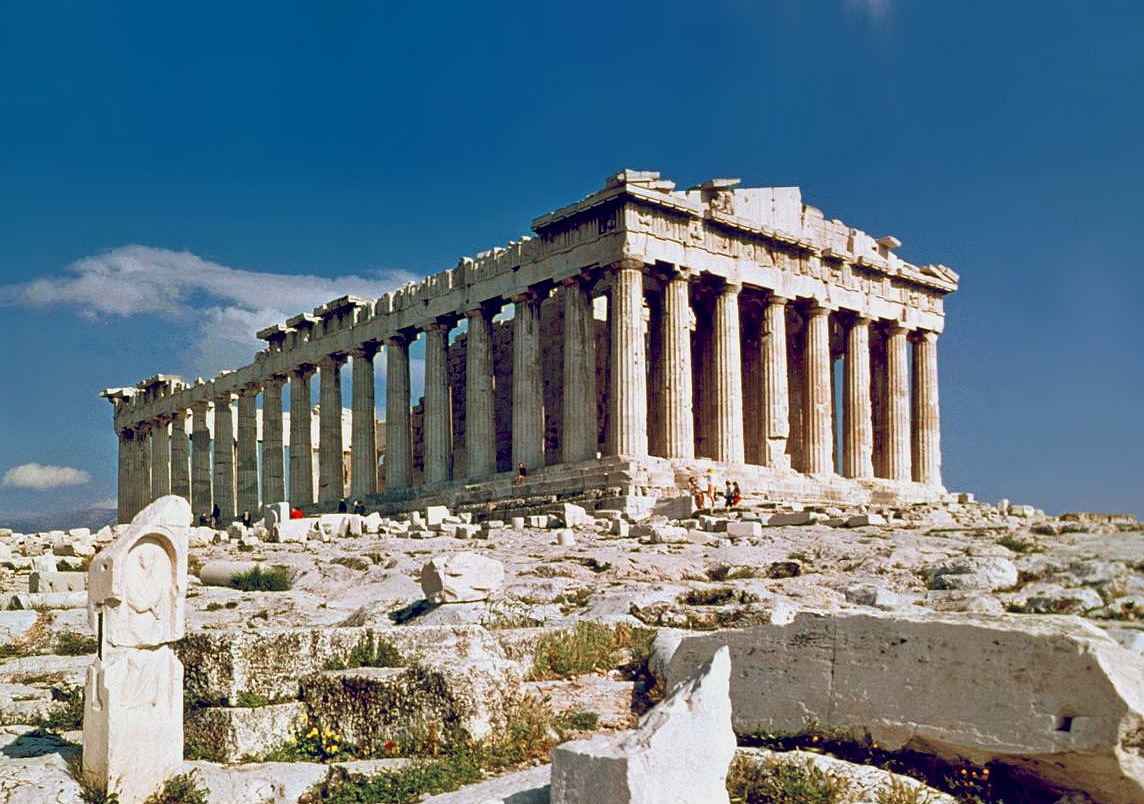
The Parthenon on the Acropolis is the pinnacle of ancient Greek architecture — the perfect Doric exemplar, influencing Western architecture for 2,000 years.
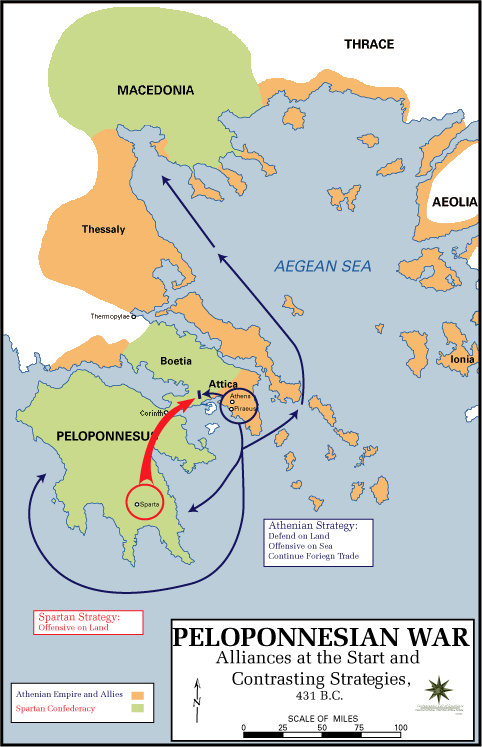
圖:U.S. Army Cartographer, as amended by uploader to correct spelling mistake · Public domain · Wikimedia CommonsImage: U.S. Army Cartographer, as amended by uploader to correct spelling mistake · Public domain · Wikimedia Commons
In April, Athens (sea power) and Sparta (land power) began a 27-year war that engulfed all Greece. The 430 BC Athenian plague killed Pericles; the 415 BC Sicilian Expedition was a disaster; Athens surrendered in 404 BC. The Greek polis system exhausted itself, paving the way for Macedonia. Thucydides wrote history's first scientific war history.
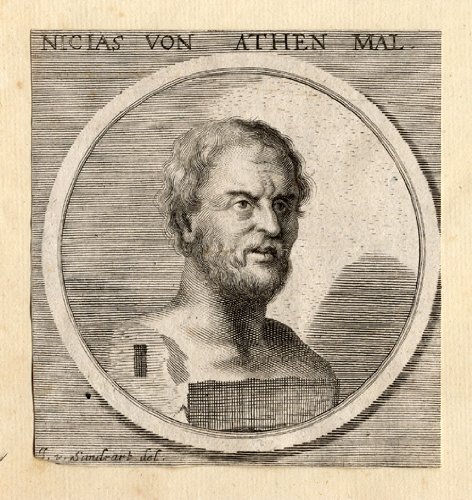
圖:Joachim von Sandrart (12 May 1606 – 14 October 1688) · Public domain · Wikimedia CommonsImage: Joachim von Sandrart (12 May 1606 – 14 October 1688) · Public domain · Wikimedia Commons
In 415 BC, Athenian Alcibiades pushed for a Syracuse expedition to sever Sparta's supplies. In 413 BC, Nicias's 40,000 troops and 200 ships were annihilated at Syracuse. Athens's best forces were lost overnight; the Peloponnesian War's balance tilted to Sparta. Thucydides called it Greece's greatest disaster.
After Athenian democracy's restoration, 70-year-old Socrates was charged with 'corrupting the youth' and 'impiety.' A 501-jury convicted 281-220 and sentenced him to death. Refusing to escape, he drank hemlock. Plato's 'Apology' and 'Phaedo' record it — a turning point in Western philosophy, opening the way to Ideas and dialectic.
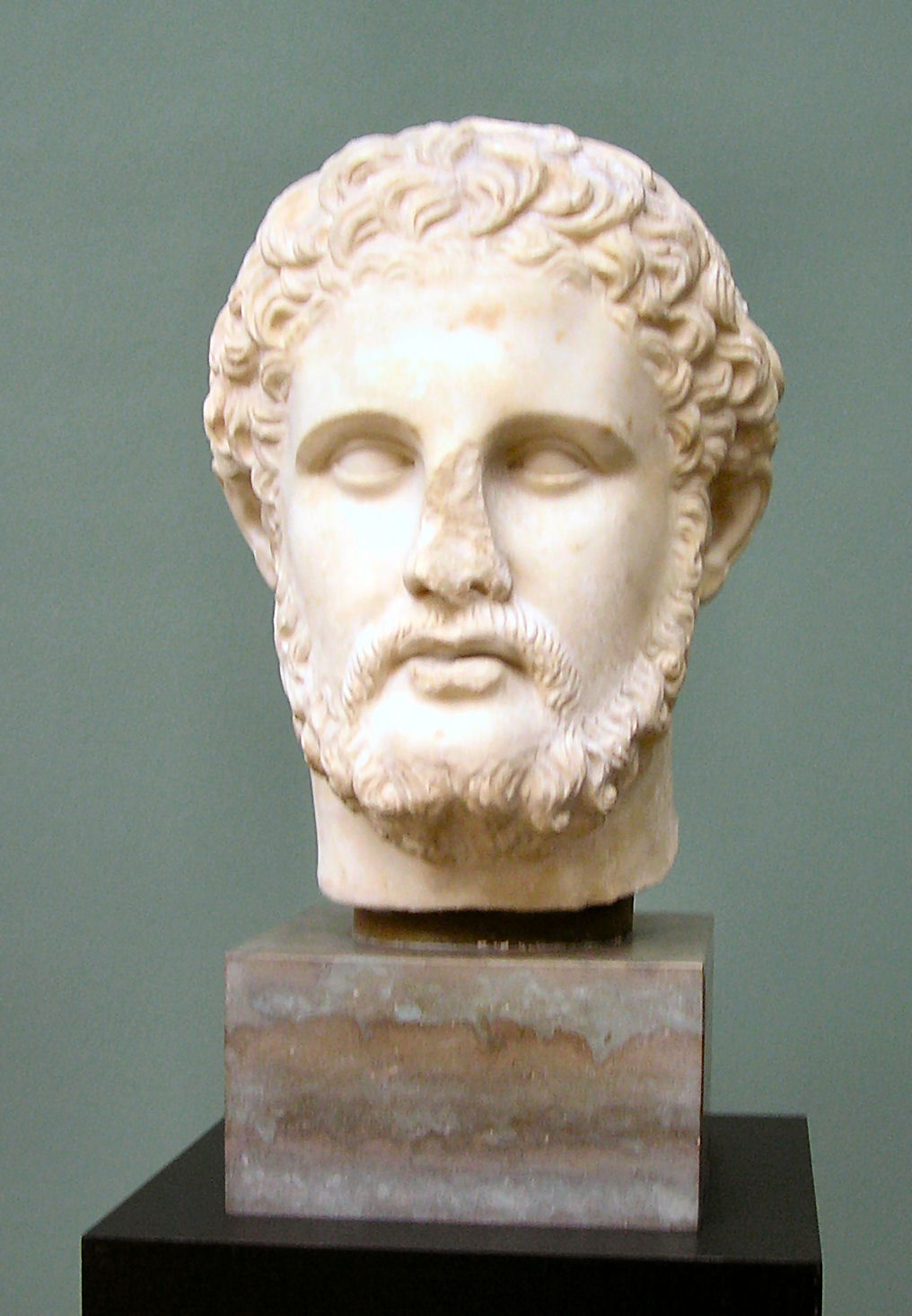
Philip II 23 歲即位,改革馬其頓軍制創薩里沙長矛方陣、兵團(phalanx)、混合兵種戰術。24 年內征服巴爾幹、-338 年 Chaeronea 擊敗希臘聯軍。將希臘統一為「柯林斯聯盟」,為兒子 Alexander 打下征服波斯根基。
At 23, Philip II became king and reformed Macedonian military — creating the sarissa pike phalanx and combined-arms tactics. In 24 years he conquered the Balkans; at Chaeronea (338 BC) he defeated the Greek coalition. He unified Greece as the League of Corinth, laying the foundation for his son Alexander's Persian conquest.
相關主軸:Related axes:波斯/伊朗Persia中東Middle East亞歷山大·早年Alexander · Early Years
8 月 2 日 Philip II 與 18 歲 Alexander 父子擊敗雅典-底比斯聯軍於 Chaeronea。神聖軍團 300 人全戰死。希臘城邦獨立自此終結,被納入馬其頓柯林斯聯盟。Demosthenes《金冠演說》哀悼希臘自由。
On August 2, Philip II and his 18-year-old son Alexander defeated the Athens-Thebes coalition at Chaeronea. The Theban Sacred Band of 300 fell to a man. Greek polis independence ended; all were incorporated into the Macedonian League of Corinth. Demosthenes's 'On the Crown' mourned Greek freedom.
相關主軸:Related axes:西方West跨文明Cross-Civilization亞歷山大·早年Alexander · Early Years
Alexander the Great defeated Darius III and burned Persepolis, ending the Achaemenid Empire. Darius fled and was killed by his own men, terminating two centuries of Persian dominance.
From Alexander's death to Cleopatra's suicide, 293 years of Hellenistic kingdoms: Seleucid (Syria-Persia), Ptolemaic (Egypt), Antigonid (Macedon-Greece), Attalid (Anatolia). Greek culture — the Koine lingua franca, Alexandria's scholarship, Archimedes/Euclid's science — spread as far as India.
圖:Drawn by F. W. Putzger, A. Baldamus and E. Schwabe, uploaded to Wikimedia Common · CC BY-SA 4.0 · Wikimedia CommonsImage: Drawn by F. W. Putzger, A. Baldamus and E. Schwabe, uploaded to Wikimedia Common · CC BY-SA 4.0 · Wikimedia Commons
In 146 BC Rome destroyed Corinth and annexed Greece as the Achaea province. For 541 years Greece was politically subject — but 'conquered Greece conquered her rude conqueror' (Horace): Rome absorbed Greek philosophy, religion, art, theatre, architecture, and education. When the empire split in 395, Greece went to the East.
After Constantinople fell, all Greek lands were Ottoman for 368 years. Greek Orthodoxy was preserved under the millet (religious autonomy) system, but Muslim privilege, the jizya poll tax, and the devshirme child levy oppressed Greeks. Phanariot Greek elites of Constantinople served the empire as translators, diplomats, and Danubian princes.
圖:20th century Greek iconographer (Sotiris Varvoglis 1944-2023) · Public domain · Wikimedia CommonsImage: 20th century Greek iconographer (Sotiris Varvoglis 1944-2023) · Public domain · Wikimedia Commons
Mehmed II 征服君士坦丁堡後恢復普世牧首職位,建立 Rum Millet(「羅馬族群」)讓希臘正教社群自治:自選牧首、自管宗教法、自收教會稅。希臘人保住語言、宗教、文化,為 19 世紀民族復興保存種子。
After conquering Constantinople, Mehmed II restored the Ecumenical Patriarchate and established the Rum Millet ('Roman community'), granting Greek Orthodox communities autonomy: electing their own patriarch, applying their own religious law, and collecting church taxes. Greeks preserved language, religion, and culture — seeds of 19th-century national revival.
Upper-class Greeks in Constantinople's Phanar quarter — fluent in ancient Greek, Latin, and modern European languages — from the 17th century were appointed as imperial dragomans (translators), diplomats, and princes of Wallachia-Moldavia. From 1711-1821 they ruled the Danubian principalities, Greeks' pathway back into international politics.
Adamantios Koraes in Paris published editions of Greek classics and reformed modern Greek as 'Katharevousa' (purified language), reviving classical heritage and awakening national consciousness. He influenced the generation of intellectuals behind Greek independence, alongside Rigas Feraios's revolutionary poetry — twin pillars of Greek national awakening.
On September 3, three Greek merchants founded the 'Friendly Society' (Filiki Eteria) in Odessa, Russia, secretly plotting anti-Ottoman insurrection. In just seven years it recruited over 10,000 members, raised funds for weapons, and networked with Russian and European Philhellenes. The March 1821 uprising was its handiwork.
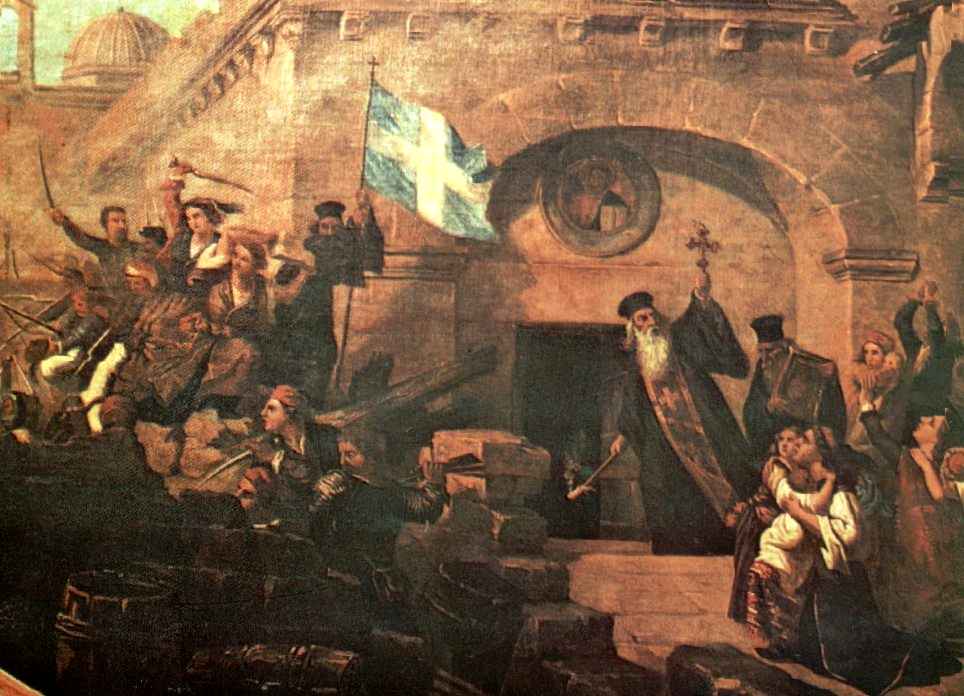
On March 25, Bishop Germanos of Patras raised the Greek cross flag, launching the revolt against 370 years of Ottoman rule. Egyptian Ibrahim Pasha's forces nearly crushed them by 1825, until Britain, France, and Russia intervened at the Battle of Navarino (1827), turning the tide.
On October 20, the combined British, French, and Russian fleet sank over 60 Ottoman-Egyptian ships in Navarino Bay — the last major naval battle of the Age of Sail. The three powers' intervention decided Greek independence; the 1832 Treaty of Constantinople recognized it.
5 月倫敦協議設希臘為君主立憲王國,巴伐利亞 Wittelsbach 家 17 歲 Otto 為首任國王。雅典 1834 年成首都。王政持續 90 年,1862 Otto 被推翻、1864 希臘統一七島(Ionian)、1913 併 Macedonia。
In May, the London Conference established Greece as a constitutional monarchy. Bavarian Wittelsbach's 17-year-old Otto became first king; Athens became capital in 1834. The monarchy lasted 90 years — Otto overthrown in 1862, Ionian Islands united in 1864, Macedonia annexed in 1913.
In August, Cretan Greeks revolted against the Ottomans. Though suppressed by 1869, it revived European and American Philhellene sympathies. At Arkadi Monastery, 943 defenders and refugees blew up the powder magazine rather than surrender — shocking Europe. Crete was finally united with Greece in 1913.
In October, Greece joined Serbia, Bulgaria, and Montenegro against the Ottomans, seizing Thessaloniki, Epirus, Crete, and Aegean islands. The 1913 Second Balkan War saw Greece and Serbia defeat Bulgaria. Greek territory and population doubled — sowing seeds for WWI.
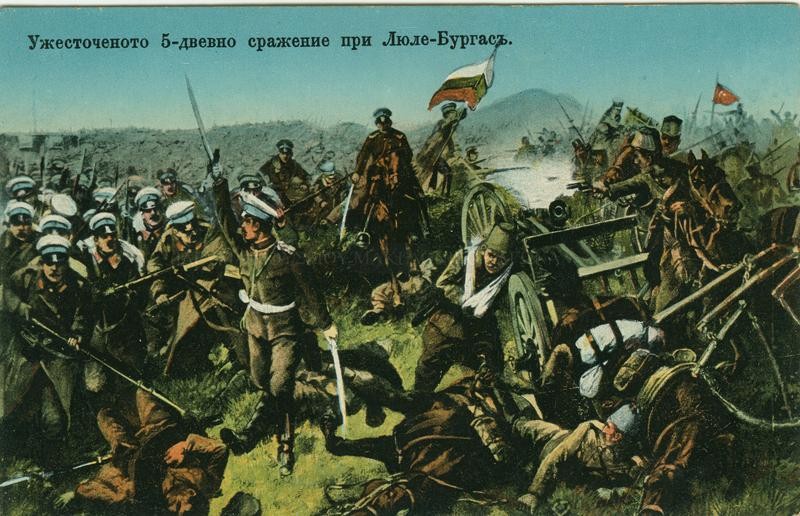
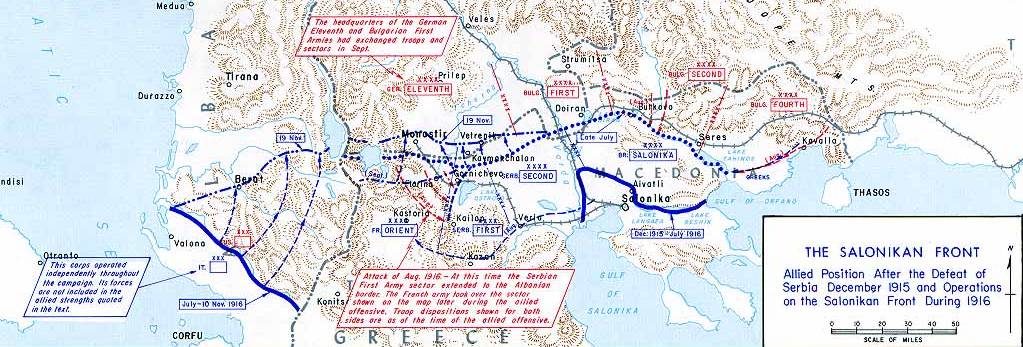
In June, under Venizelos, Greece declared war on the Central Powers and joined the Balkan Front. In 1918, Greek forces helped defeat Bulgaria on the Macedonian Front.
From 1919-22, Greece invaded Asia Minor seeking the 'Great Idea' of restoring Byzantine borders. On September 9, Atatürk's forces recaptured Smyrna; the Greek and Armenian quarters burned. The 1923 Treaty of Lausanne exchanged 1.5 million Anatolian Greeks and 500,000 Turkish Muslims — a defining trauma of modern Greek identity.
At 3 AM on October 28, Italy's ambassador in Athens delivered an ultimatum to PM Metaxas demanding military passage. Metaxas refused with one word: 'Ochi' (No). Italy invaded that day; Greek troops pushed them back into Albania. Hitler had to intervene in April 1941 to subdue Greece. October 28 remains a Greek national holiday.
In April, German forces conquered Greece; Germany, Italy, and Bulgaria partitioned it. Nazi requisitions caused the 1941-42 Athens famine, starving 300,000. Greek resistance (communist EAM/ELAS and republican EDES) fought fiercely; 4% of the population died in WW2 — Europe's third-highest relative loss.
1946-49 共產 ELAS 遊擊隊對抗英美支持的皇家政府。1947 年 3 月杜魯門主義(Truman Doctrine)因此發表,美國取代英國領導西方圍堵共產。-1949 狄托(南斯拉夫)關邊界使游擊隊補給斷,政府軍勝。是冷戰首場熱戰,10 萬人死亡。
From 1946-49, the communist ELAS guerrillas fought the British-American-backed royal government. The March 1947 Truman Doctrine was announced over Greece, as America replaced Britain leading Western containment of communism. Yugoslavia's Tito closed his borders in 1949, cutting guerrilla supplies; the government won. 100,000 died in the Cold War's first hot war.
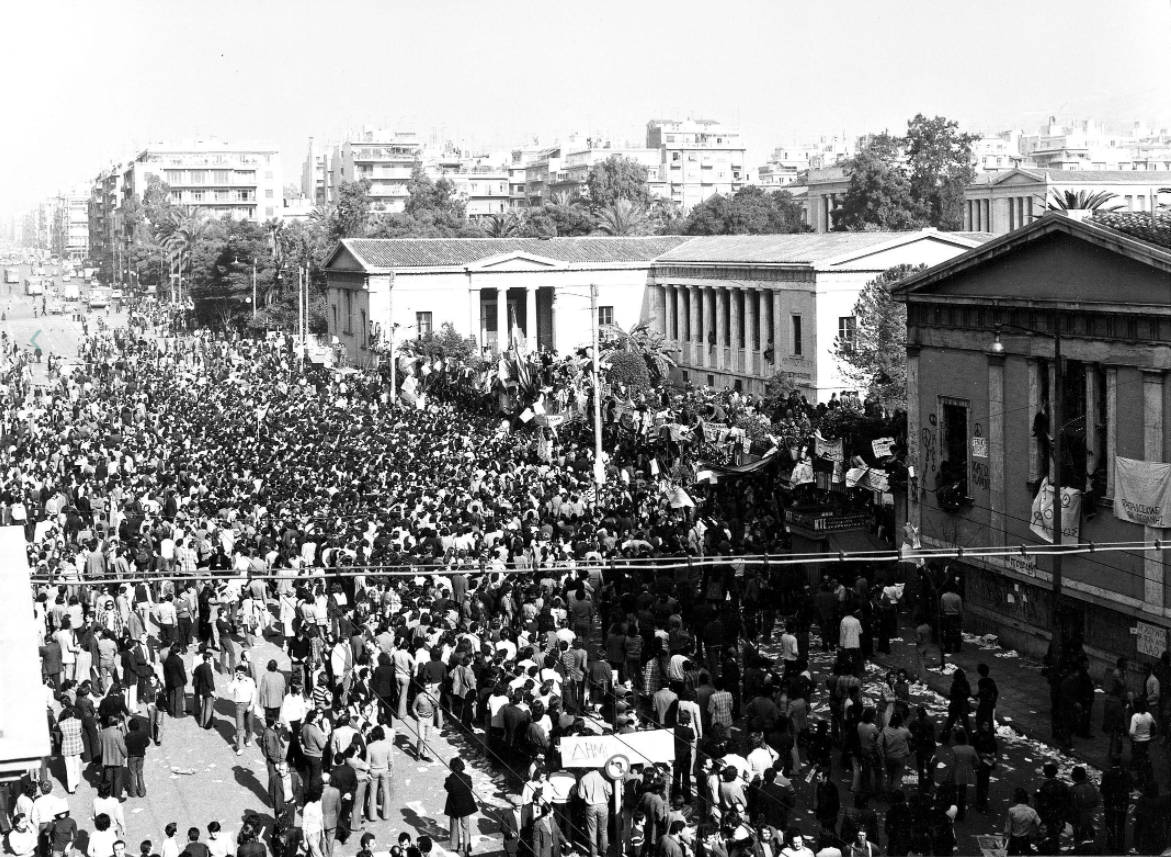
At dawn on April 21, Papadopoulos and colleagues seized power with tanks; King Constantine II fled. The junta banned parties, censored press, and tortured dissidents for 7 years. The 1973 Athens Polytechnic student revolt was crushed; the 1974 Cyprus coup provoked Turkish invasion, toppling the junta.
In July, Karamanlis returned from Paris to form an elected government, ending 7 years of junta. The December referendum abolished the monarchy 69-31; the Third Hellenic Republic was established. In 1981 Papandreou formed the first PASOK socialist government, opening modern Greek two-party democracy.
On January 1, Greece became the EEC's 10th member (after UK, Ireland, Denmark in 1973). A key moment of democratic consolidation, breaking from the junta-era distance from Europe/America. Greece joined Maastricht in 1992 and adopted the euro in 2001 — deep integration. But lagging structural reform seeded the 2010 crisis.
In April, PM Papandreou admitted Greek deficits far exceeded declared figures; bond yields surged past 10%. In May the IMF/EU/ECB 'Troika' provided €110 billion emergency bailout with brutal austerity conditions. GDP contracted 25%, unemployment hit 28% (youth 60%). A eurozone existential crisis.
On July 5, Syriza's Tsipras held a bailout referendum; 61% voted Oxi ('No' to austerity), echoing 1940 Metaxas. But Finance Minister Varoufakis resigned, banks closed forcing capital controls, and Tsipras defied the referendum to sign a third bailout. A classic case of democracy against European technocratic elites — ending in compromise.