絲綢・養蠶技術 Silk — Sericulture Begins

中國人發明養蠶繅絲技術,絲綢成為中國最重要的出口商品,也是絲路命名的由來。
Chinese invent silk cultivation; silk becomes China's most important export and gives the Silk Road its name.
相關主軸:Related axes:科學技術Science & Tech中國科技Chinese Science & Tech
從甲骨文到 DNA 雙螺旋,中國古人用竹簡和銅器寫下了醫學的密碼。兩千多年裡,他們建構的知識體系還在治療今日的病人。
From oracle bones to the DNA double helix, ancient China wrote medicine's code in bamboo and bronze. Two millennia later, the knowledge they built still heals.
在互動時間軸上瀏覽 → Open in interactive timeline →中國人發明養蠶繅絲技術,絲綢成為中國最重要的出口商品,也是絲路命名的由來。
Chinese invent silk cultivation; silk becomes China's most important export and gives the Silk Road its name.
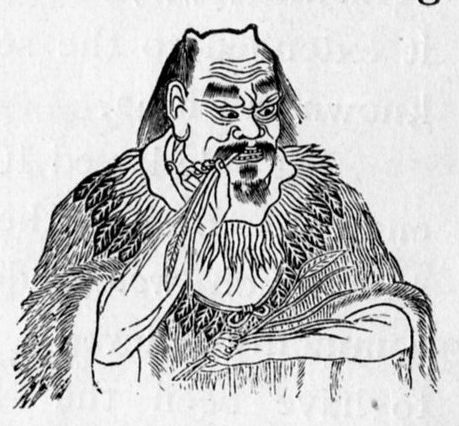
三皇之一的神農氏教導人民農耕與醫藥,親嘗百草辨別藥效,是中國農業文明與中醫的傳說起源。
One of the Three Sovereigns, Shennong taught farming and medicine, tasting hundreds of herbs — the legendary origin of Chinese agriculture and traditional medicine.

商代發展出高度精緻的青銅鑄造技術,青銅器用於祭祀、禮儀和戰爭,司母戊鼎是迄今出土最重的青銅器,代表中國古代文明的巔峰。
The Shang Dynasty developed highly refined bronze casting for ritual, ceremonial and military use. The Simuwu Ding is the heaviest bronze artifact ever unearthed, representing the peak of ancient Chinese civilization.
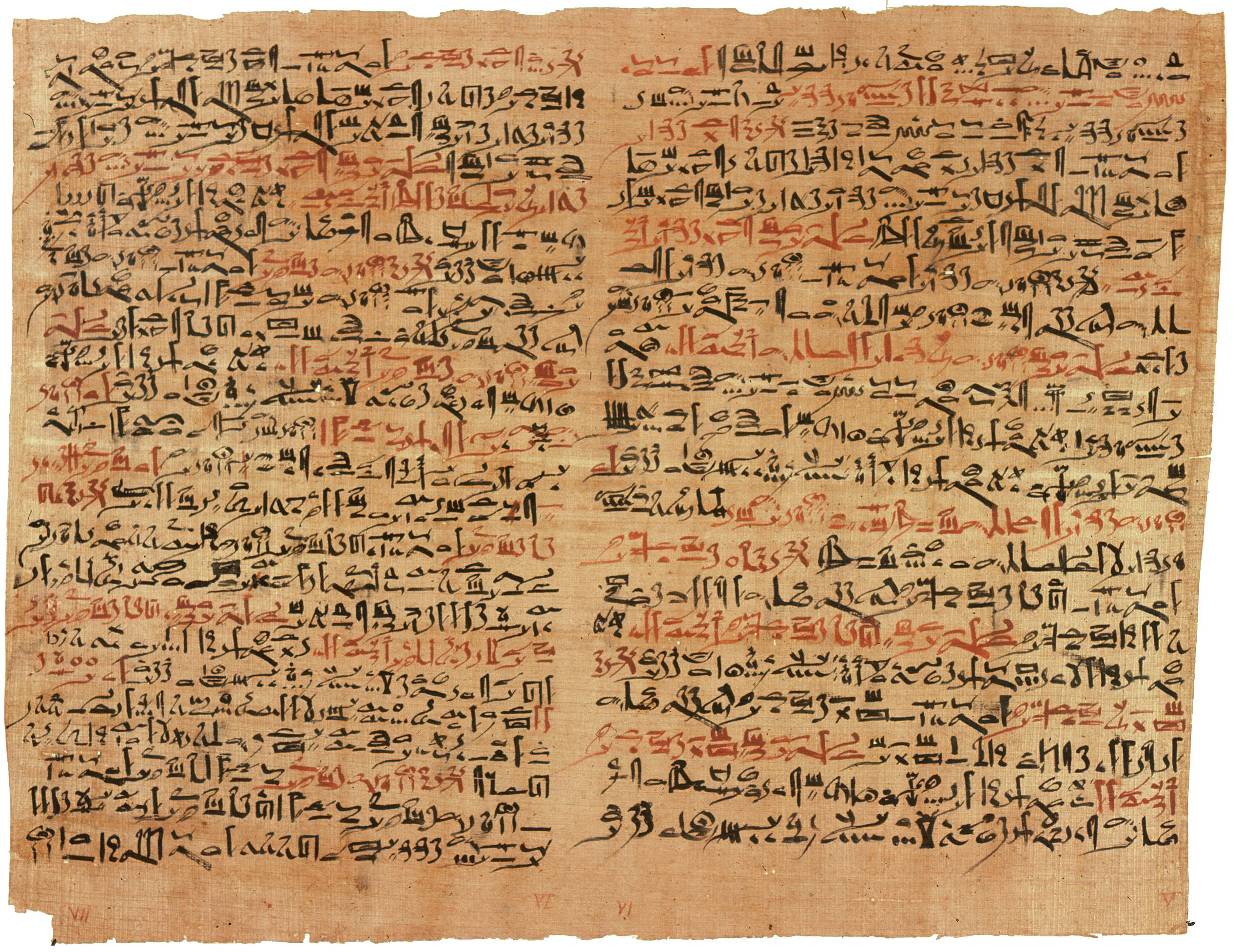
約前 1600 年埃及 Edwin Smith 手卷 48 病例外科描述,最早實證醫學文獻;區分治癒、難治、不治。
Around 1600 BC, the Egyptian Edwin Smith Papyrus describes 48 surgical cases—the oldest empirical medical text, distinguishing curable/difficult/untreatable.

商朝刻在龜甲獸骨上的文字,中國最早的成熟文字系統。
Earliest known mature Chinese writing, carved on oracle bones during the Shang dynasty.
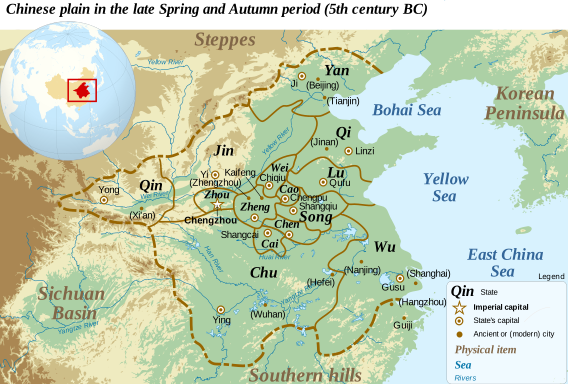
春秋時代鐵器逐漸普及,到戰國時期鐵農具和鐵兵器已廣泛使用,農業生產力大幅提升,支撐了諸侯國的兼併戰爭和人口增長,最終促成秦統一。
Iron tools spread gradually in the Spring and Autumn Period and became widespread in the Warring States era, dramatically boosting agricultural productivity and fueling the wars that led to Qin unification.

約前 600 印度 Sushruta 著《妙聞集》詳述 300 種手術、120 種器械、整形外科(鼻重建)。
Around 600 BC, India's Sushruta authored Sushruta Samhita with 300 surgeries, 120 instruments, and plastic surgery (nose reconstruction).

中醫學的理論基礎,以陰陽五行解釋人體與疾病,至今仍是中醫教育的核心典籍。
The theoretical foundation of Chinese medicine; explains the body and disease through yin-yang and five elements — still a core text in TCM education.

李冰父子在四川建造的水利工程,無壩引水,造就天府之國,至今仍在運作,是世界最古老的水利工程之一。
Built by Li Bing in Sichuan; a damless irrigation system still in use today — one of the world's oldest and most sustainable water projects.

漢代發展出高爐煉鐵技術,大規模生產鐵農具與武器,領先歐洲約千年,支撐帝國的農業與軍事擴張。
Han Dynasty develops blast furnace iron production on a large scale — about 1,000 years ahead of Europe — supporting imperial agriculture and military expansion.

中國最重要的古代數學著作,包含聯立方程、負數、分數運算,系統地解決農業與工程問題。
China's most important ancient math text; covers simultaneous equations, negative numbers, and fractions — systematically solving agricultural and engineering problems.
約前 100 年《黃帝內經》集中國古代醫學大成,建陰陽五行、經絡理論;為後世中醫核心經典。
Compiled around 100 BC, the Huangdi Neijing consolidates ancient Chinese medicine—yin-yang, five phases, meridian theory—the foundation of TCM.

蔡倫改良造紙技術,以樹皮、麻料等製成廉價紙張,知識傳播的革命性突破,是中國四大發明之一。
Cai Lun improves papermaking using bark and hemp; cheap paper revolutionizes knowledge transmission — one of China's Four Great Inventions.
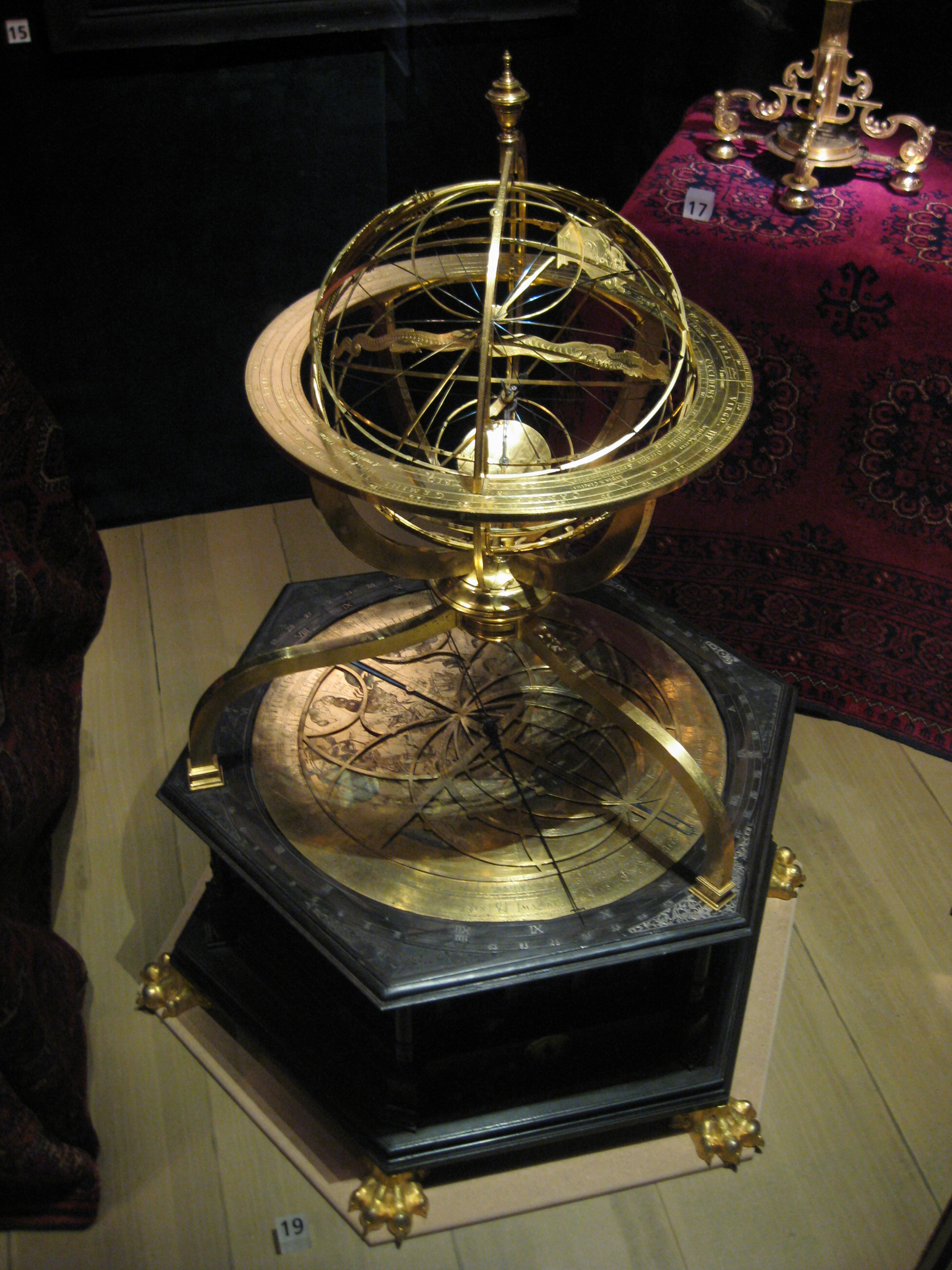
張衡製作水力驅動的渾天儀,精確測量天體位置,推算太陽月球運行,對中國天文學貢獻卓著。
Zhang Heng builds a water-powered armillary sphere to precisely measure celestial positions and predict the movements of the sun and moon.

張衡發明世界第一台地震儀,以銅球落入蟾蜍口中指示地震方向,比歐洲同類裝置早1700年。
Zhang Heng invents the world's first seismoscope; a bronze ball drops into a toad's mouth to indicate earthquake direction — 1,700 years before European equivalents.
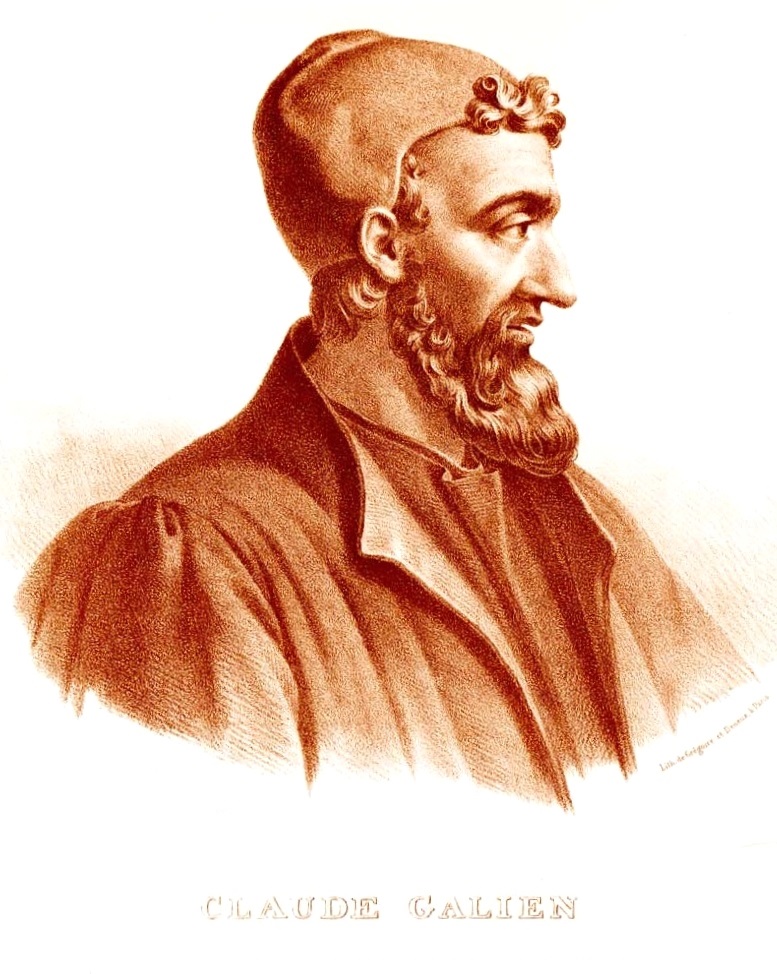
162 Galen 任 Marcus Aurelius 御醫,解剖動物推測人體;其學說壟斷歐亞醫學 1500 年至 Vesalius 推翻。
In 162 AD, Galen became Marcus Aurelius's court physician; his animal-based anatomy dominated Eurasian medicine for 1,500 years until Vesalius.
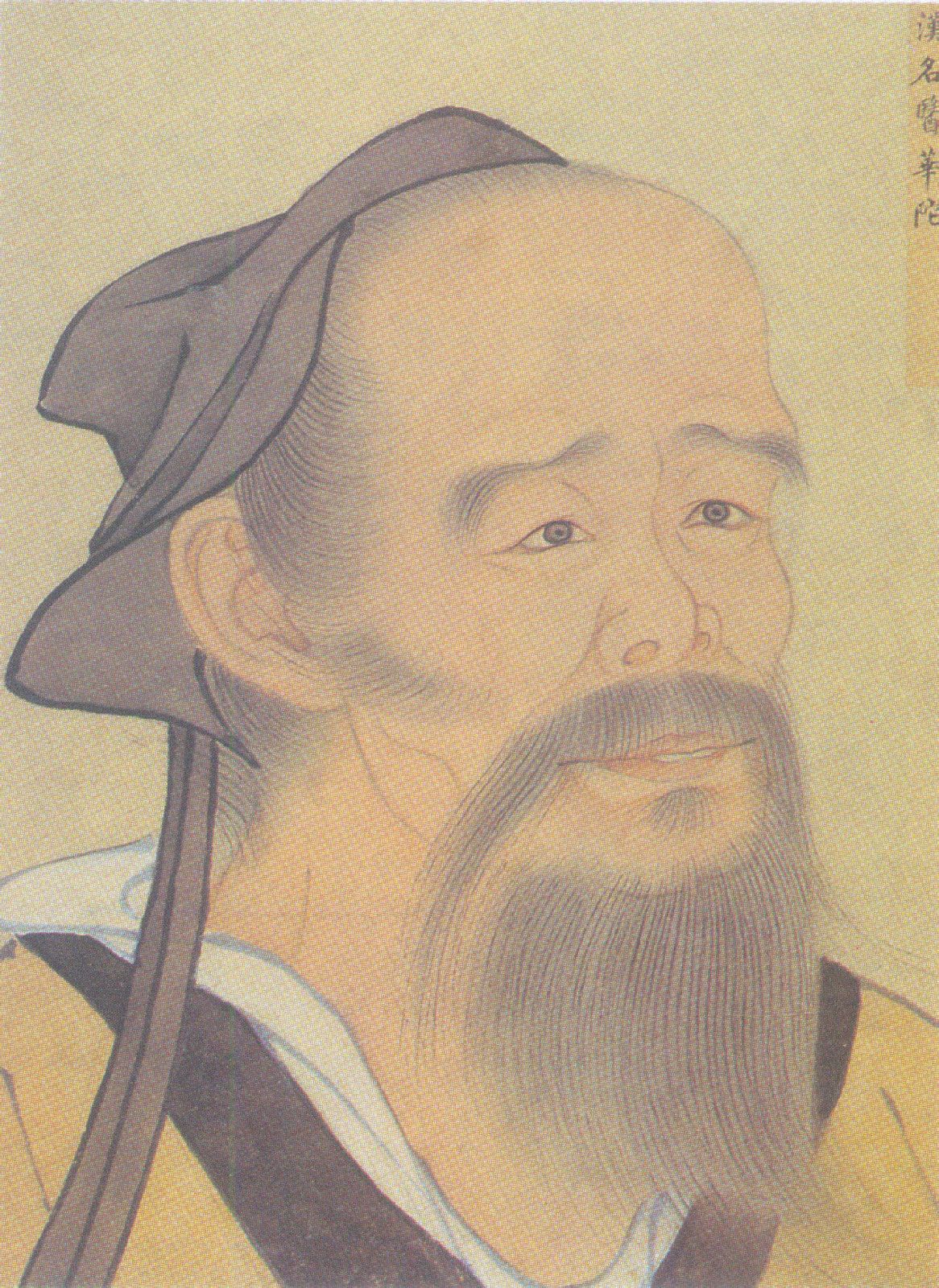
東漢神醫華佗使用麻沸散(全身麻醉藥)進行外科手術,是世界最早有記錄的外科麻醉應用。
Han physician Hua Tuo uses mafeisan (general anesthetic) for surgery — the world's earliest recorded use of surgical anesthesia.

中國發明的計算工具,使用至今。
Chinese-invented calculation tool, still used today.

劉徽以割圓術計算圓周率,得π≈3.14159,方法上已含無窮小的極限概念,是數學史上的重要成就。
Liu Hui calculates π≈3.14159 using an iterative polygon method — embedding the concept of limits, a major achievement in mathematical history.

祖沖之計算圓周率精確到小數點後7位(3.1415926),此記錄保持了約千年,至今仍是數學史的重要成就。
Zu Chongzhi calculates π to 7 decimal places (3.1415926) — a world record held for ~1,000 years and a landmark in mathematical history.

中國瓷器技術成熟,「China」之名即源於此。
Chinese porcelain technology matured. The word 'China' derives from this craft.

隋煬帝開鑿全長2700公里的大運河,連接南北方,促進糧食與商品流通,是世界最長的人工河道。
Emperor Yang of Sui builds the 2,700km Grand Canal connecting north and south China — the world's longest artificial waterway, facilitating grain and trade.

唐代高僧僧一行主持世界首次大規模大地測量,計算出地球子午線弧度,是科學史的重要里程碑。
Tang monk Yi Xing leads the world's first large-scale geodetic survey, measuring the arc of a meridian — a landmark in scientific history.

唐代道士煉丹時意外發現火藥,後來廣泛應用於軍事,傳入歐洲後改變了中世紀的戰爭型態。
Tang Dynasty Taoist alchemists accidentally discover gunpowder; it later transforms warfare and, reaching Europe, changes medieval combat forever.
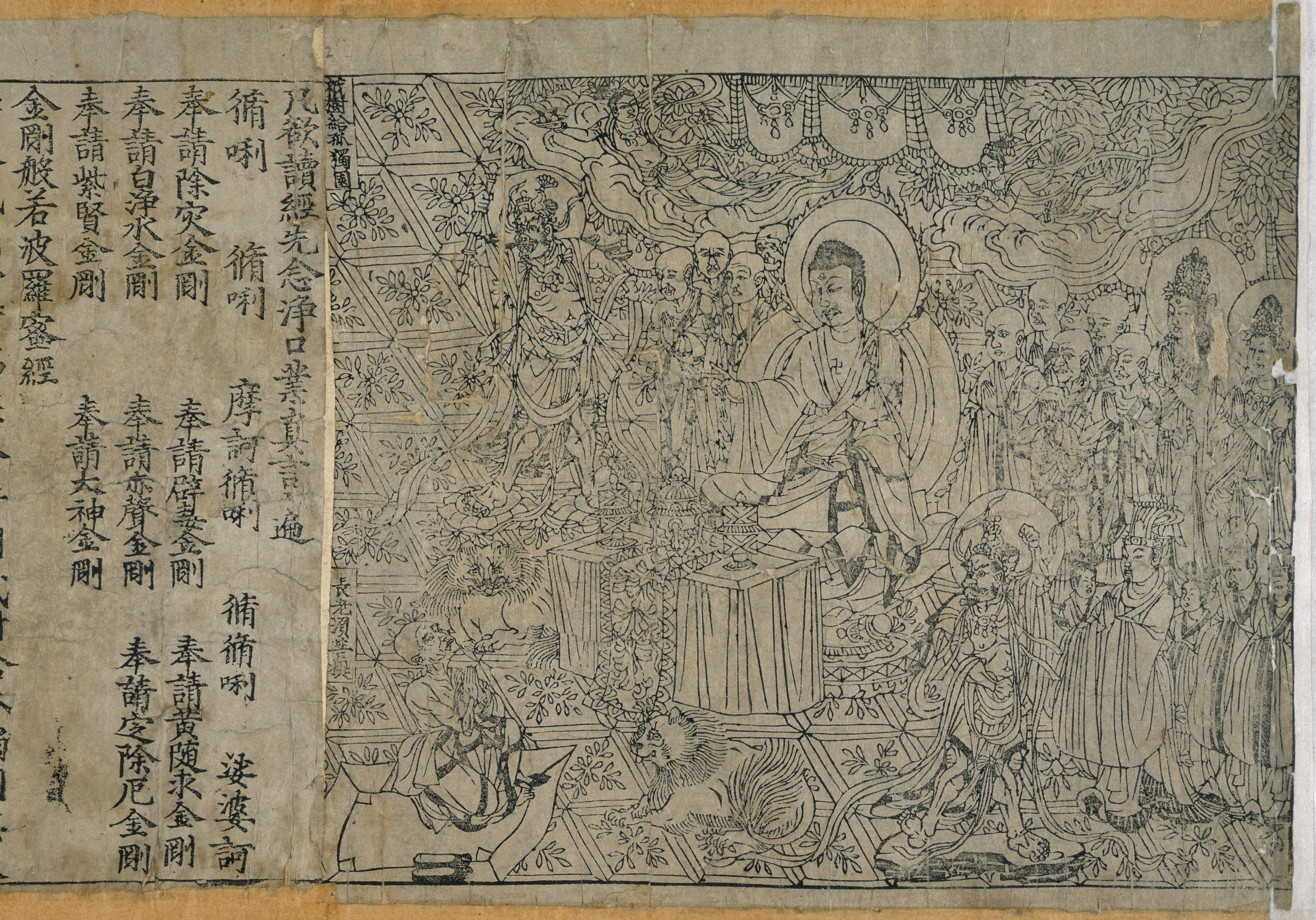
世界現存最早的有日期標記的印刷書籍。
The world's oldest dated printed book.

約 900 年波斯 Rhazes(al-Razi)首次清楚區分天花與麻疹,並詳述臨床表現;中世紀伊斯蘭醫學巔峰。
Around 900 AD, Persian Rhazes (al-Razi) first clearly distinguished smallpox from measles with detailed clinical descriptions—a peak of Islamic medicine.
宋代中國人發明人痘接種預防天花,是現代疫苗接種的前身,17世紀傳入歐洲後推動了天花疫苗的研發。
Song Dynasty Chinese develop variolation against smallpox — the predecessor of modern vaccination; introduced to Europe in the 17th century, inspiring Jenner's vaccine.

約 1000 年西班牙穆斯林 Al-Zahrawi 著 30 卷《醫典手冊》,繪 200 外科器械;歐洲中世紀外科教科書。
Around 1000 AD, Al-Zahrawi (Spain) authored the 30-volume Kitab al-Tasrif with 200 surgical instruments—Europe's medieval surgical textbook.

1025 Ibn Sina(阿維森納)完成 5 卷《醫典》,融希臘、阿拉伯、印度醫學;歐亞醫學教科書至 17 世紀。
In 1025, Ibn Sina (Avicenna) completed the 5-volume Canon of Medicine, synthesizing Greek, Arabic, Indian traditions—used in Eurasia until the 17th century.
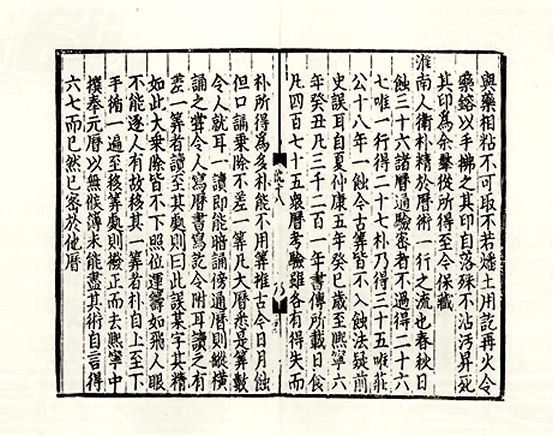
畢昇發明陶瓷活字印刷術,比古騰堡的活字印刷機早400年,是知識傳播史上的重大技術革命。
Bi Sheng invents ceramic movable type — 400 years before Gutenberg — a major technological revolution in the history of knowledge dissemination.
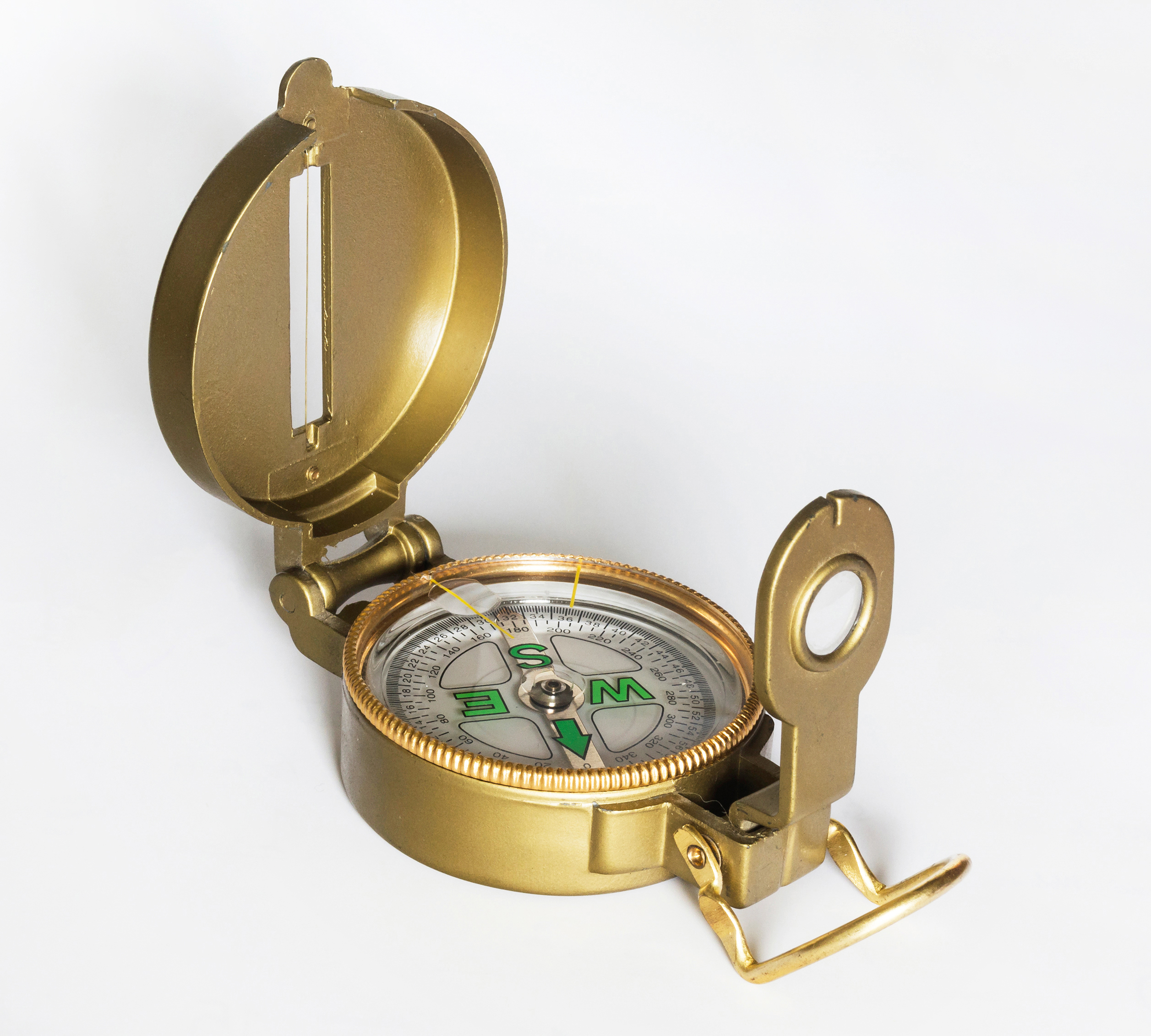
中國人將指南針從堪輿術應用於航海導航,此技術傳入歐洲後直接促進大航海時代的到來。
Chinese apply the compass from feng shui to maritime navigation; this technology reaches Europe and directly enables the Age of Exploration.
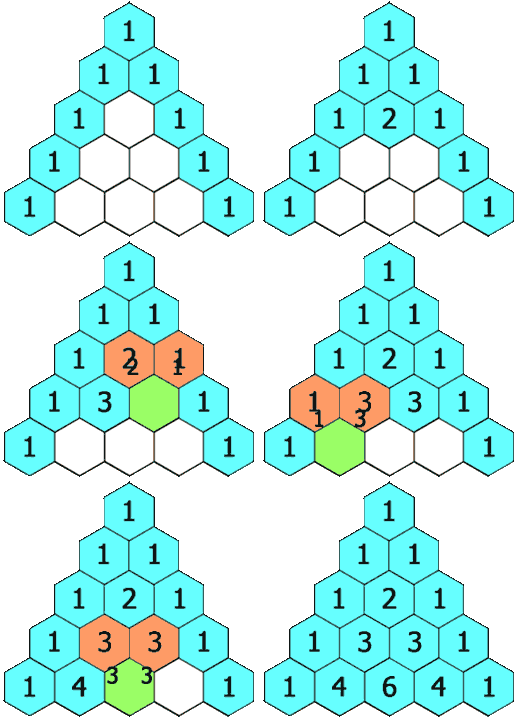
楊輝發表二項式係數三角形,比歐洲帕斯卡三角形早400年,應用於多項式展開與概率計算。
Yang Hui publishes the binomial coefficient triangle — 400 years before Pascal's Triangle in Europe — applied to polynomial expansion and probability.
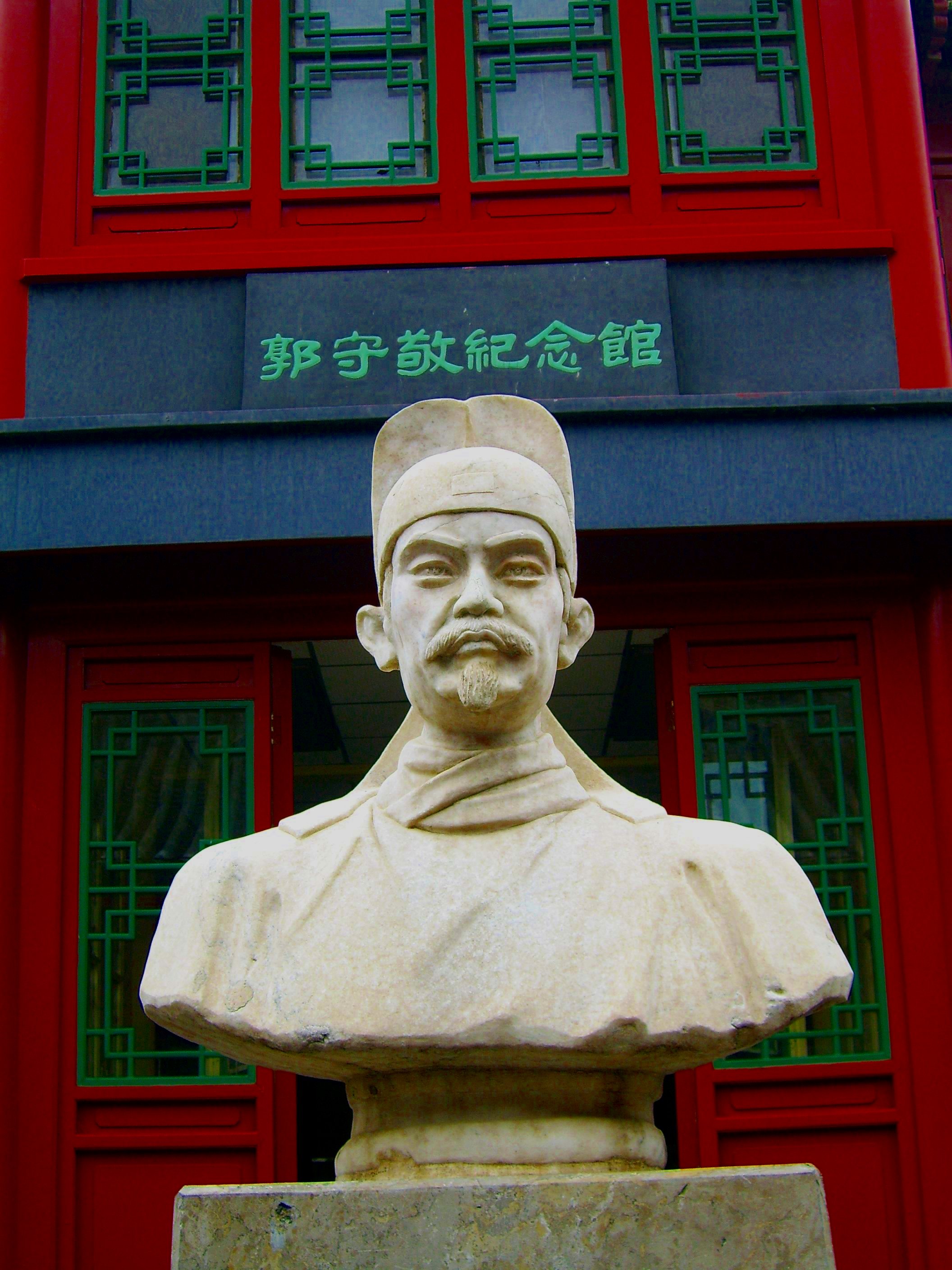
元代郭守敬制定授時曆,一年長度精確到365.2425天,與今日格里曆完全相同,精度超越當時歐洲任何曆法。
Yuan astronomer Guo Shoujing's Shoushi Calendar sets the year at 365.2425 days — identical to the modern Gregorian calendar — more accurate than any contemporary European calendar.

1348 威尼斯黑死病中創 quaranta giorni(40 天)強制隔離,quarantine 一詞由此而來;近代公衛起源。
During the 1348 Black Death, Venice imposed 40-day (quaranta giorni) forced isolation—origin of the word 'quarantine' and modern public health.
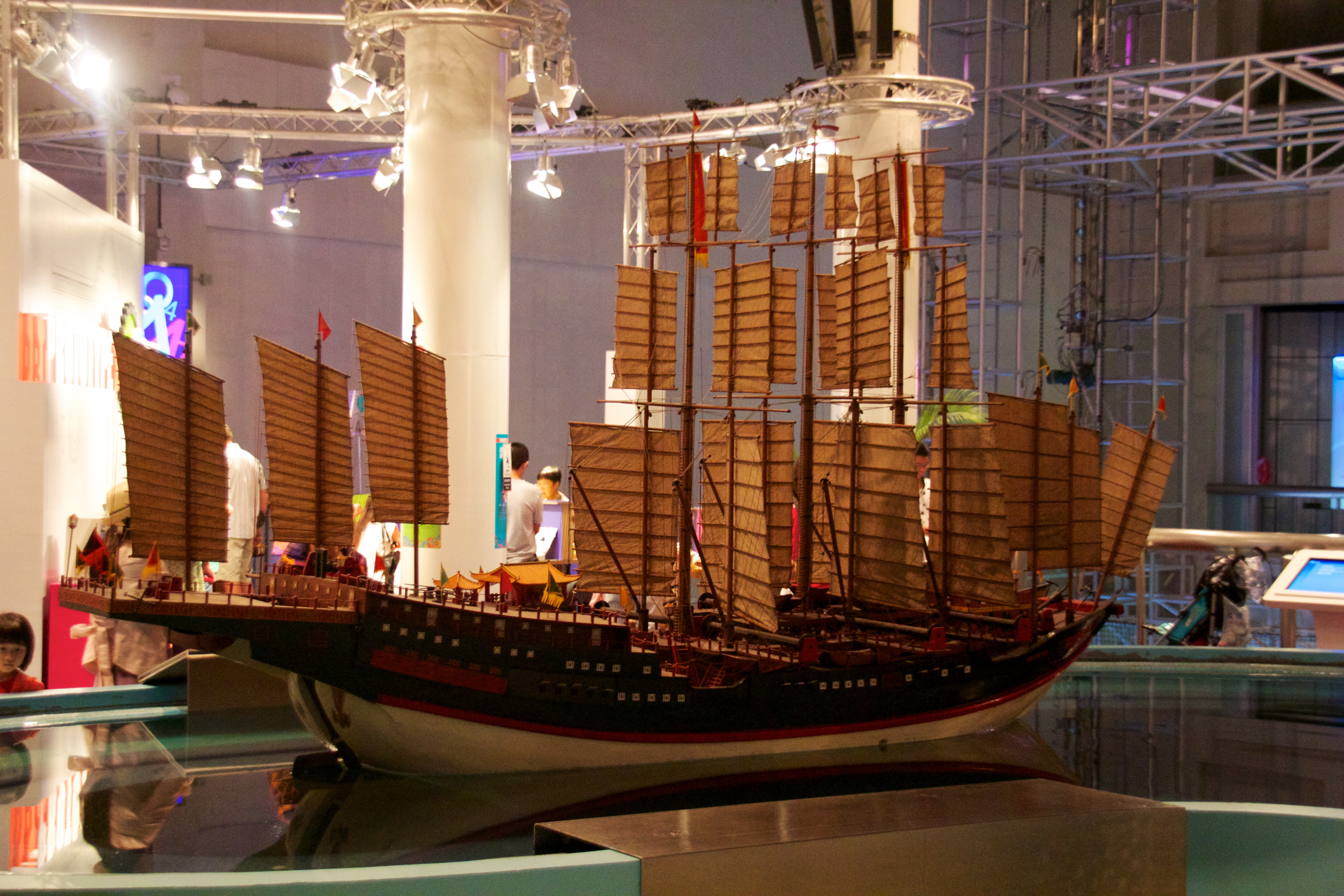
鄭和寶船長約 120 米,當時世界最大的木造船。
Zheng He's treasure ships were ~120m long, the largest wooden ships of their time.

鄭和率領當時世界最大的船隊七下西洋,到達非洲東岸,展現中國的航海實力,早於歐洲大航海時代半世紀。
Zheng He leads the world's largest fleet on seven voyages reaching East Africa — demonstrating China's maritime power half a century before Europe's Age of Exploration.

1543 Vesalius 出版精美木刻插圖《人體構造》,推翻 Galen 錯誤,開啟現代解剖學;與 Copernicus 同年出版。
In 1543, Vesalius published De humani corporis fabrica with fine woodcuts, overturning Galenic errors and founding modern anatomy—same year as Copernicus.

1796/5/14 Jenner 用牛痘為 8 歲 James Phipps 接種,證明可防天花;vaccine 一詞源於 vacca(牛)。
On May 14, 1796, Jenner inoculated 8-year-old James Phipps with cowpox, proving smallpox prevention; 'vaccine' derives from 'vacca' (cow).

1846/10/16 Morton 在波士頓麻省總醫院公開以乙醚麻醉做頸部手術,開啟無痛外科時代。
On Oct 16, 1846, William Morton publicly demonstrated ether anesthesia at Massachusetts General Hospital—launching painless surgery.
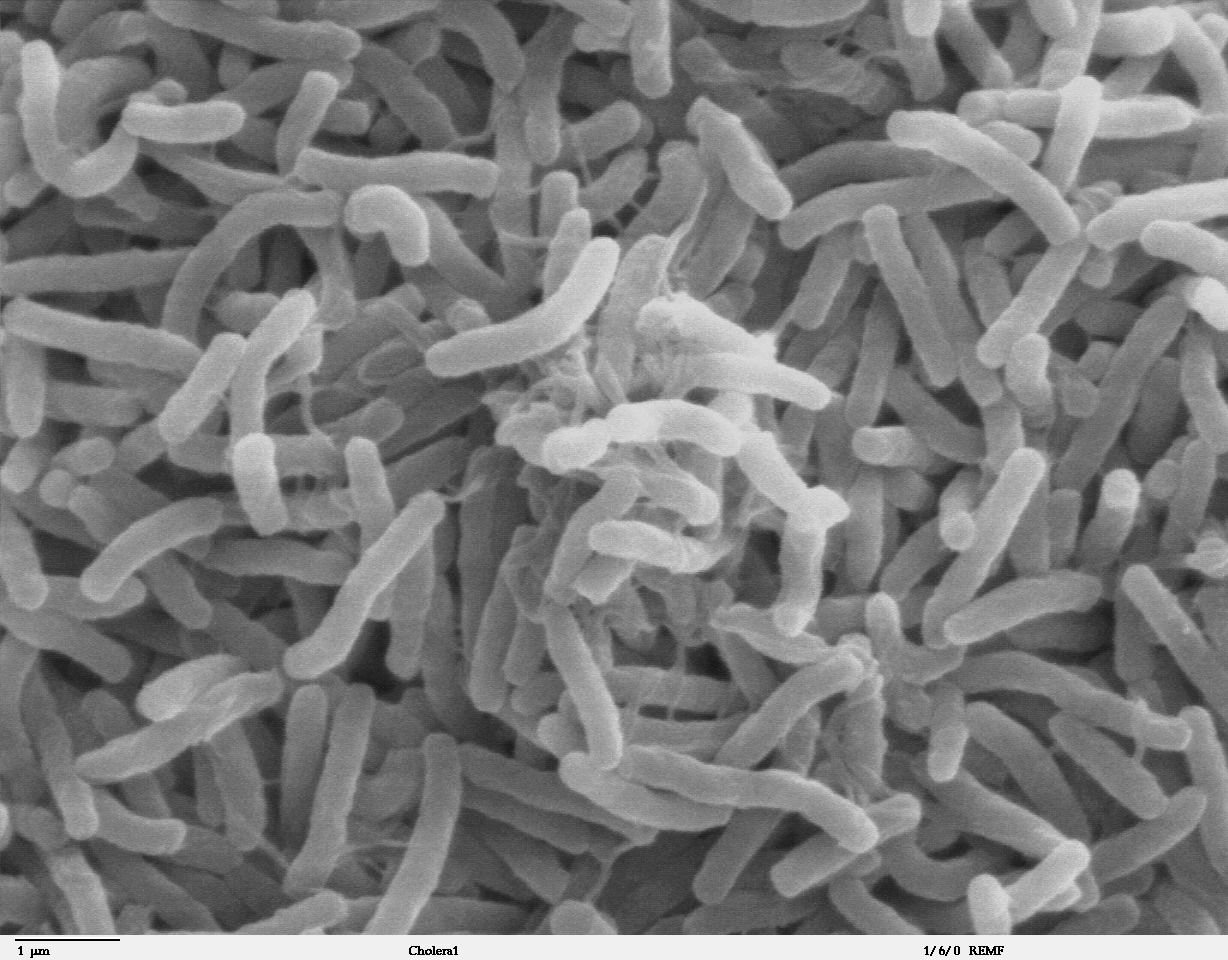
1861 Pasteur 以曲頸瓶實驗推翻自然發生說,確立微生物致病論;為疫苗、巴氏消毒、抗生素鋪路。
In 1861, Pasteur's swan-neck flask experiments refuted spontaneous generation and established germ theory—paving the way for vaccines, pasteurization, antibiotics.

1867/3/16 Lister 發表《The Lancet》論文確立石炭酸消毒手術法,術後死亡率從 46% 降至 15%。
On Mar 16, 1867, Lister's Lancet paper established carbolic acid antisepsis in surgery, dropping post-op mortality from 46% to 15%.
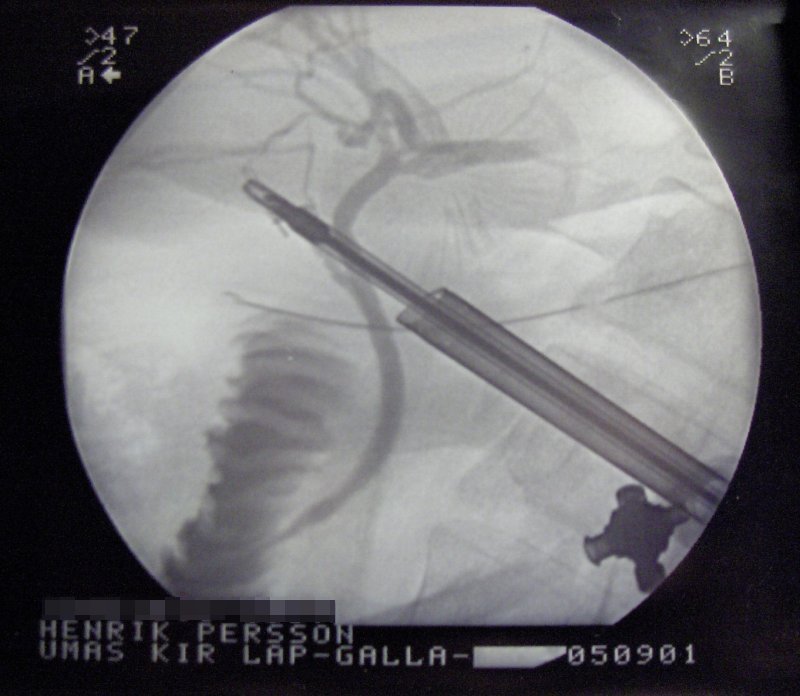
1895/11/8 德國 Röntgen 意外發現新輻射,命名 X-ray;拍攝其妻手骨照片震驚世界;首位物理諾貝爾獎 1901。
On Nov 8, 1895, Germany's Röntgen accidentally discovered a new radiation, naming it X-ray; his wife's hand skeleton photo stunned the world.
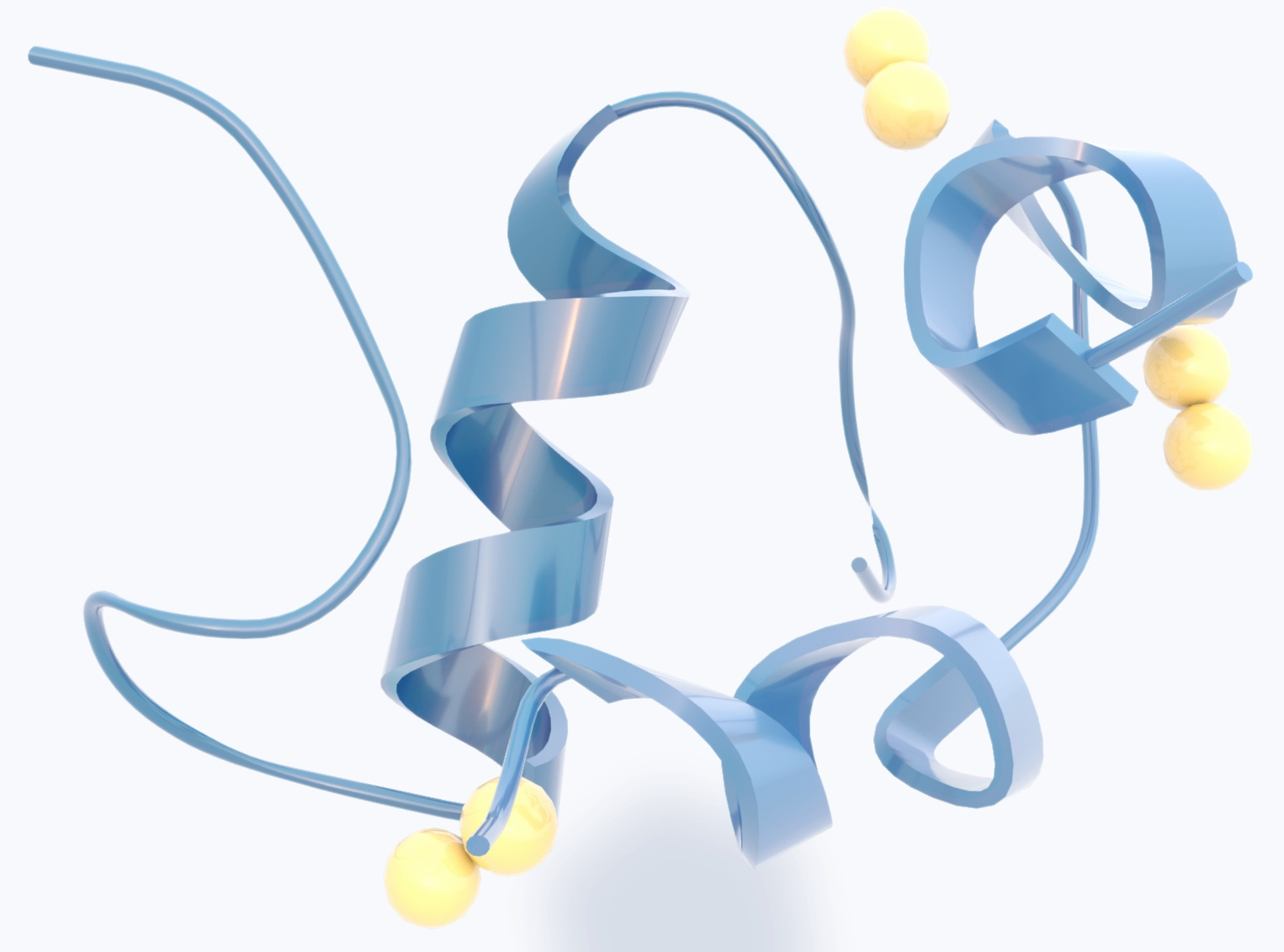
1921/7/30 多倫多 Banting 與 Best 從狗胰臟萃取胰島素,1922 救治 14 歲糖尿病兒;1923 諾貝爾醫學獎。
On Jul 30, 1921, Toronto's Banting and Best isolated insulin from dog pancreas; in 1922 they saved a 14-year-old diabetic—1923 Nobel Prize.

1928/9/28 Fleming 在聖瑪麗醫院偶然發現 Penicillium 黴菌殺菌;Florey、Chain 1940 量產,二戰救無數士兵。
On Sep 28, 1928, Fleming accidentally noted Penicillium mold killed bacteria; Florey and Chain industrialized it in 1940, saving countless WWII soldiers.

1953/4/25《Nature》發表 DNA 雙螺旋結構;依 Franklin X 射線繞射數據,生物學進入分子時代,醫學革命奠基。
On Apr 25, 1953, Nature published the DNA double helix based on Franklin's X-ray data—biology entered the molecular age, seeding a medical revolution.
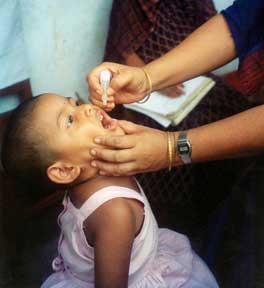
1955/4/12 Salk 小兒麻痺疫苗臨床試驗宣布安全有效,全美歡慶;1988 全球根除計畫啟動。
On Apr 12, 1955, Salk's polio vaccine was announced safe and effective, triggering US jubilation; global eradication began 1988.
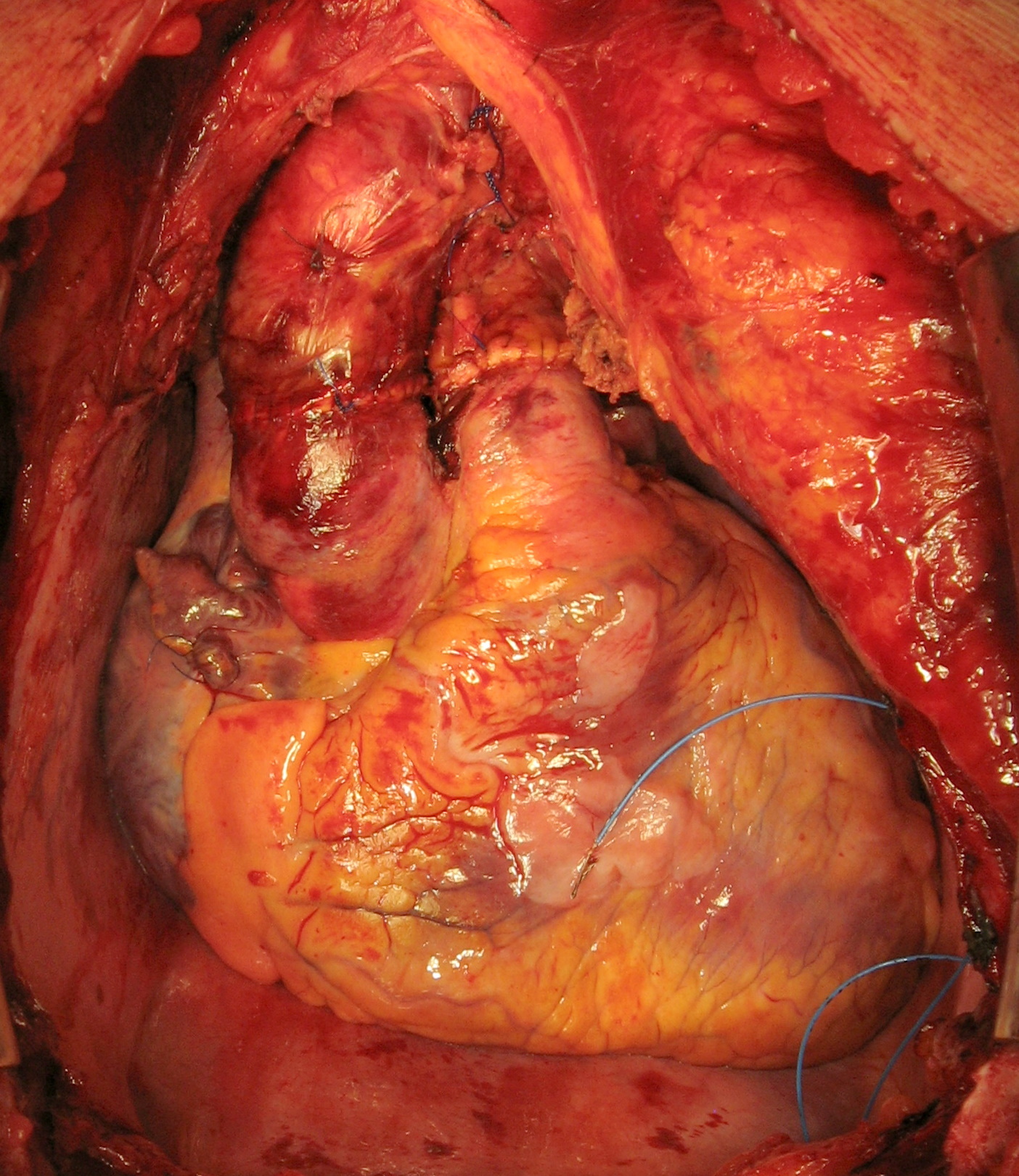
1967/12/3 Christiaan Barnard 於南非開普敦 Groote Schuur 醫院完成首例人心臟移植;患者存活 18 天。
On Dec 3, 1967, Christiaan Barnard performed the first human heart transplant at Groote Schuur Hospital, Cape Town; patient survived 18 days.

1978/7/25 Louise Brown 誕生,世界首例試管嬰兒;Edwards 與 Steptoe 突破不孕症,2010 諾貝爾醫學獎。
On Jul 25, 1978, Louise Brown was born—the world's first IVF baby; Edwards and Steptoe's work earned the 2010 Nobel Prize.
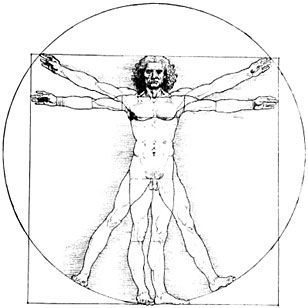
2003/4/14 Human Genome Project 宣布 99% 精度完成,費時 13 年、$2.7B;開啟精準醫療與基因治療時代。
On Apr 14, 2003, the Human Genome Project announced 99%-accurate completion after 13 years and $2.7B—launching precision medicine and gene therapy.

2012/6/28《Science》刊 Doudna 與 Charpentier 論文確立 CRISPR-Cas9 基因編輯平台;2020 諾貝爾化學獎。
On Jun 28, 2012, Doudna and Charpentier's Science paper established CRISPR-Cas9 gene editing—2020 Nobel Prize in Chemistry.

2020/11 Pfizer-BioNTech 與 Moderna mRNA 疫苗三期試驗 95% 有效;12 月獲緊急授權,史上最快疫苗開發。
In Nov 2020, Pfizer-BioNTech and Moderna mRNA phase 3 trials showed 95% efficacy; EUA in December—the fastest vaccine development in history.
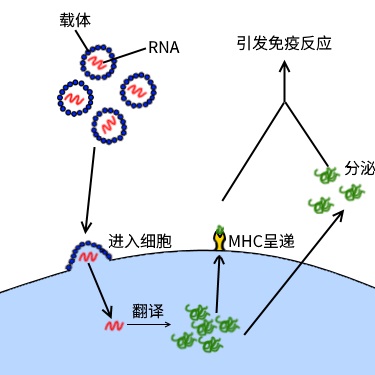
2020/12 Pfizer-BioNTech / Moderna mRNA 新冠疫苗獲緊急授權;首款 mRNA 疫苗平台開啟生技醫療新時代。
In Dec 2020, Pfizer-BioNTech and Moderna's mRNA COVID vaccines received emergency authorization—the first mRNA platform, launching a new biotech era.