📌 內容與授權:本頁事件說明文字(中英)為 Cosmic History Timeline 編輯整理。
圖片來自 Wikimedia Commons,作者與授權詳見每張圖下方連結。
延伸閱讀的 Wikipedia 與 Amazon 連結著作權歸原權利人;Amazon 連結為聯盟連結(不影響你的價格)。
📌 Sources & Credits: Event descriptions (zh / en) are editorial work by Cosmic History Timeline.
Images are sourced from Wikimedia Commons — author and license shown below each image.
Wikipedia and Amazon links belong to their respective rights holders; Amazon links are affiliate links (no extra cost to you).
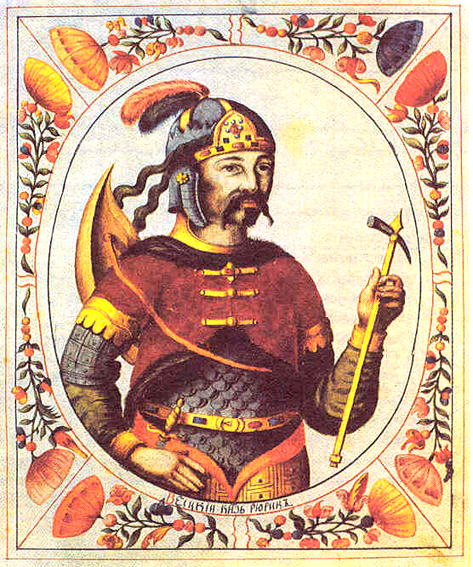
瓦良格(諾斯)首領 Rurik 應斯拉夫人邀請來統治諾夫哥羅德,建立留里克王朝。其繼承者奧列格 882 年遷都基輔,Kievan Rus 國家成形。是俄羅斯國家紀年起點(862 = 俄羅斯紀元元年)。
Varangian (Norse) chief Rurik was invited by Slavs to rule Novgorod, founding the Rurik Dynasty. His successor Oleg moved the capital to Kiev in 882, establishing Kievan Rus. 862 is the conventional founding year of the Russian state.

從 Rurik 建國到蒙古滅基輔,Kievan Rus 持續 378 年,建立東斯拉夫文明根基:東正教、西里爾字母、商貿王國連接拜占庭與北歐。「俄羅斯」、「烏克蘭」、「白俄羅斯」皆出於此。
From Rurik's founding to the Mongol sack of Kiev, Kievan Rus lasted 378 years — laying foundations of East Slavic civilization: Orthodox Christianity, Cyrillic alphabet, a trading kingdom linking Byzantium and Scandinavia. Russia, Ukraine, and Belarus all trace origins here.
Kievan Rus 大公弗拉基米爾在 Korsun(克里米亞)受洗,迎拜占庭公主 Anna 為妻,全國改信東正教。從此俄羅斯文明根植於拜占庭傳統,與西方天主教世界分道揚鑣 1000 年。
Grand Prince Vladimir of Kievan Rus was baptized at Korsun (Crimea), married Byzantine princess Anna, and converted the whole nation to Orthodox Christianity. Russian civilization rooted in Byzantine tradition, diverging from Catholic West for 1,000 years.
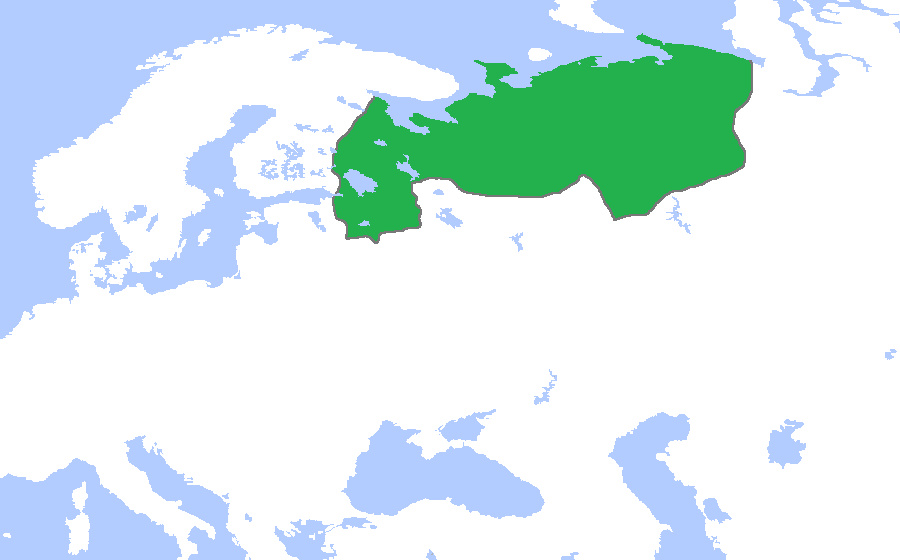
From the 11th century, Novgorod developed a unique system: the citizens' assembly (veche) elected the prince — a rare 'aristocratic republic' in Russian history. The northern terminus of the Hanseatic League with thriving Western trade. Annexed by Moscow's Ivan III in 1478.
雅羅斯拉夫即位基輔大公,編纂《羅斯法典》(Russkaya Pravda)首部成文法、興建聖索菲亞大教堂、與北歐法德王室聯姻(女兒安娜成法國王后)。Kievan Rus 文化、貿易、外交鼎盛期。
Yaroslav became Grand Prince of Kiev, codified the first Russian written law (Russkaya Pravda), built St. Sophia Cathedral, and married his daughters to European royalty (Anna became Queen of France). The peak of Kievan Rus culture, trade, and diplomacy.
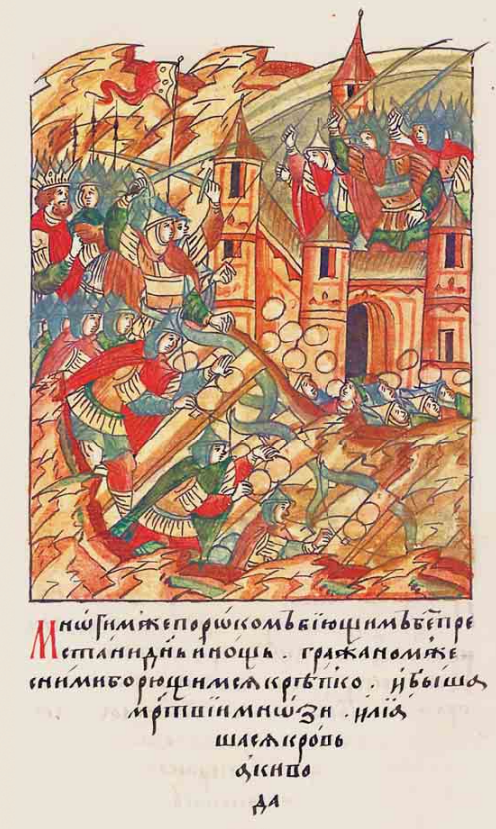
12 月 6 日蒙古拔都汗(Batu)攻陷基輔,屠城。Kievan Rus 終結,俄羅斯諸公國臣服蒙古「金帳汗國」240 年(1240-1480)。經濟文化倒退、與西歐隔絕,奠定俄羅斯與歐洲不同的歷史軌跡。
On December 6, Mongol khan Batu sacked Kiev, massacring the city. Kievan Rus ended; Russian principalities became Mongol vassals under the 'Golden Horde' for 240 years (1240-1480). Economic and cultural regression, isolation from Western Europe — setting Russia's divergent path.
相關主軸:Related axes:蒙古帝國Mongol Empire中亞/北亞Central Asia蒙古征服·西方戰線Mongol Conquests · West
The Golden Horde was suzerain over Russian principalities for 240 years, collecting taxes and conscripts. Moscow rose by serving as Mongol tax collector. Slavic civilization absorbed Mongol administrative and military elements; Orthodox Christianity actually flourished (Church was tax-exempt under Mongol religious tolerance).
On April 5, Novgorod prince Alexander defeated the Teutonic Knights' eastern advance on the frozen Lake Peipus. Submitting to Mongols east, he resisted Westerners — becoming a Russian national hero. Canonized 1547; Stalin established the Order of Alexander Nevsky in 1942.
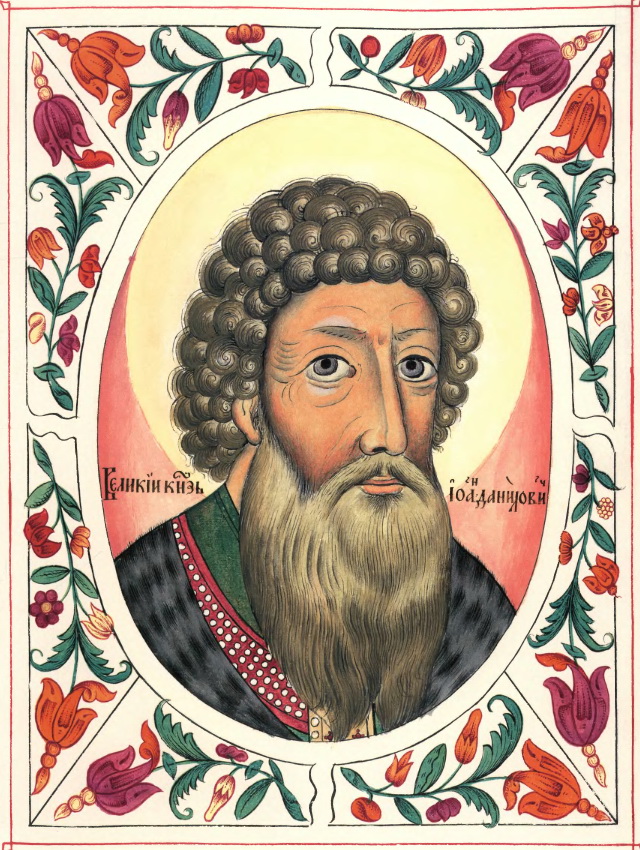
Ivan I 'Kalita' (Moneybag) ascended as Grand Prince of Moscow, accumulating wealth and power as Mongol tax collector. In 1326 the Metropolitan moved to Moscow, displacing Vladimir and Tver as religious center of northeastern Rus — beginning Moscow's 200-year rise to unify Russia.
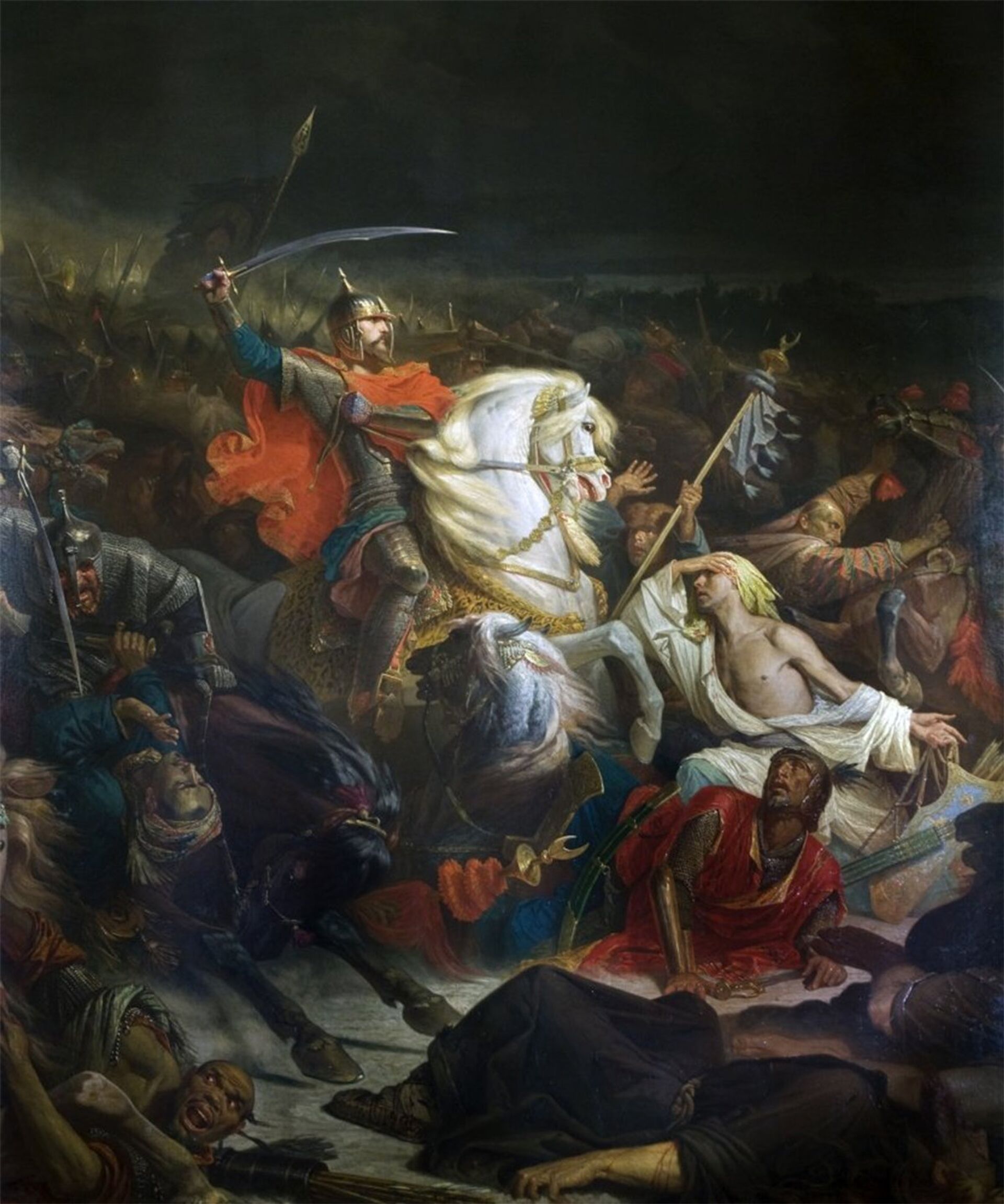
On September 8, Moscow's Dmitry Donskoy united Russian princes to defeat the Golden Horde's Mamai at Kulikovo Field on the upper Don. The Mongol invincibility myth shattered; Russian national consciousness emerged. Though Mongol rule continued for another century, the spirit was free.
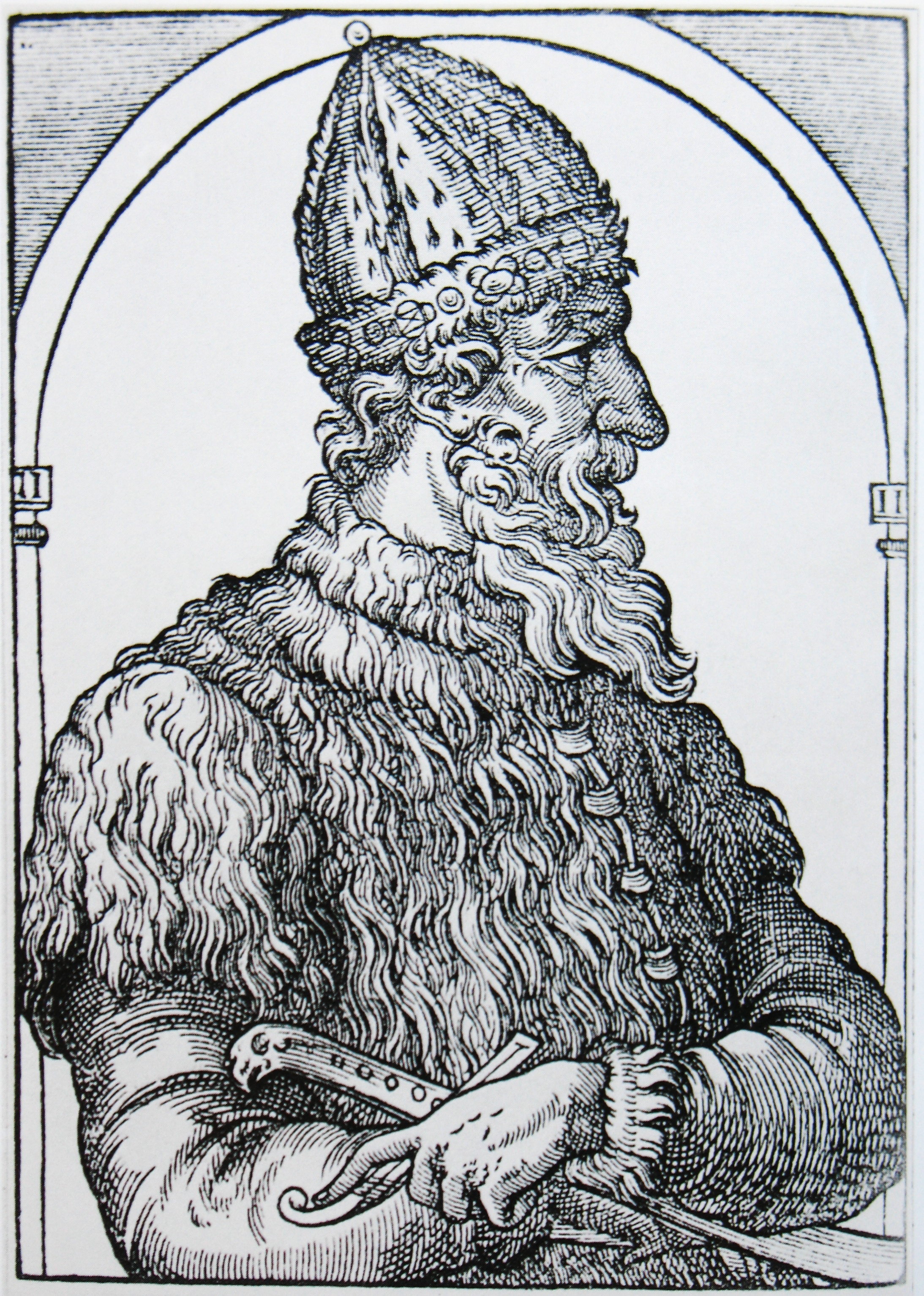
Ivan III 'the Great' became Grand Prince of Moscow. In 43 years he annexed Novgorod and Tver (tripling territory), ended the Tatar Yoke (1480), married last Byzantine princess Sophia (1472), rebuilt the Kremlin, and seeded the 'Moscow as Third Rome' doctrine.
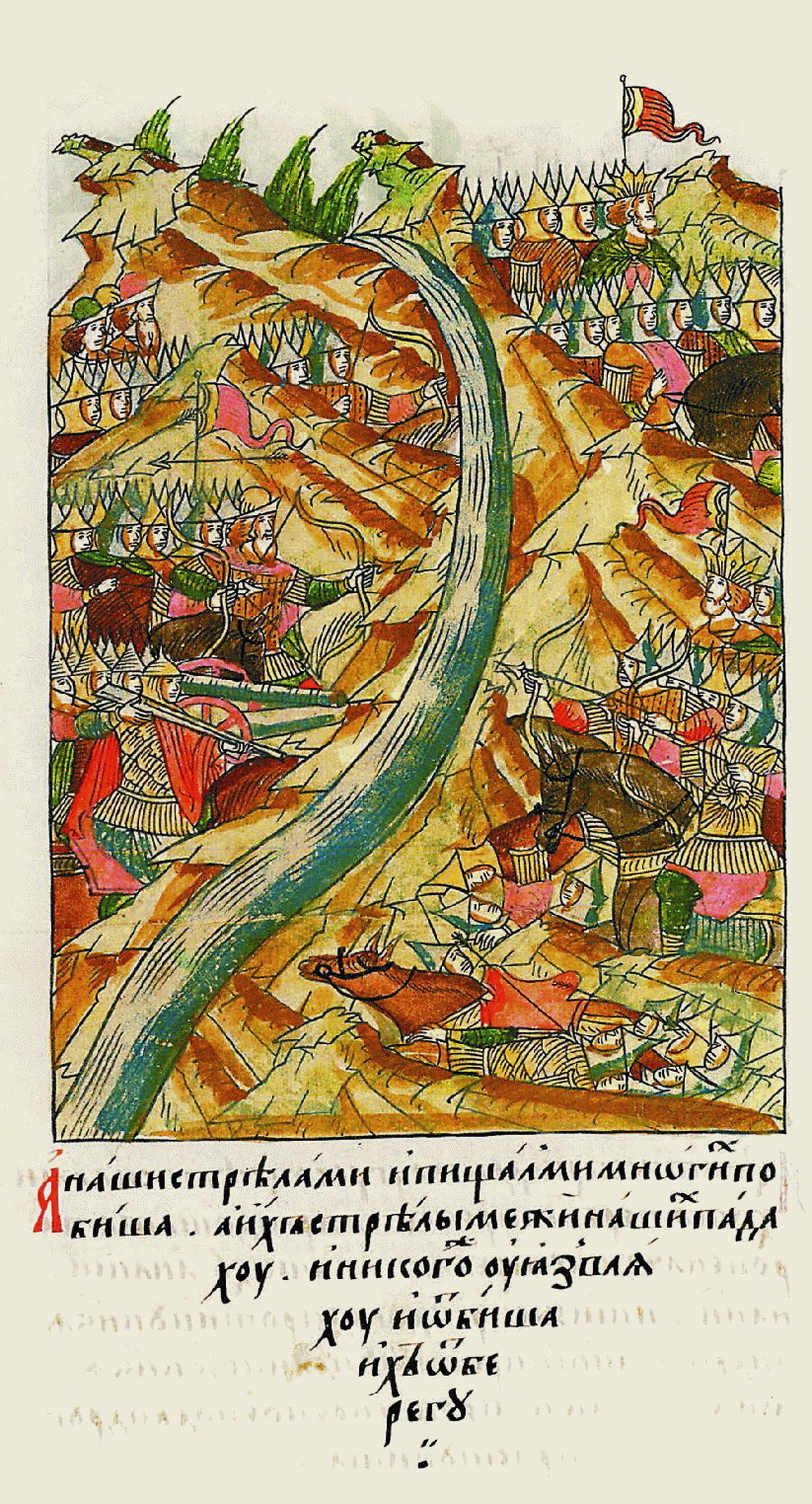
From October-November, Ivan III faced down Khan Akhmat at the Ugra River — both sides withdrew without combat. The 240-year Tatar Yoke formally ended; Russia regained independence. Ivan III titled himself 'Sovereign of All Russia' and married Sophia, the last Byzantine princess, adopting the double-headed eagle.
1 月 16 日 16 歲伊凡四世在莫斯科聖母升天大教堂加冕為「全俄羅斯沙皇」(Tsar = Caesar 拉丁文凱撒)。是首位正式沙皇,象徵俄羅斯繼承拜占庭(東羅馬)正統。後因恐怖統治得「雷帝」(Грозный)惡名。
On January 16, 16-year-old Ivan IV was crowned 'Tsar of All Russia' (Tsar = Latin Caesar) at Moscow's Dormition Cathedral. The first formal Tsar, symbolizing Russia's claim to Byzantine (Eastern Roman) legitimacy. His brutal reign earned him 'Grozny' (the Terrible).
From 1598-1613, after Rurikid Tsar Feodor died childless, Russia plunged into famine, peasant rebellions, Polish-Lithuanian invasion, and multiple 'False Dmitris' claiming the throne. Polish forces occupied Moscow in 1610. The 1613 Romanov accession ended the chaos.
圖:Atelier Boasson and Eggler St. Petersburg Nevsky 24.
The Library of Congress · Public domain · Wikimedia CommonsImage: Atelier Boasson and Eggler St. Petersburg Nevsky 24.
The Library of Congress · Public domain · Wikimedia Commons
On February 21, the Zemsky Sobor (assembly) elected 16-year-old Mikhail Romanov as Tsar, ending the Time of Troubles. The Romanov dynasty ruled Russia for 304 years until Nicholas II's 1917 abdication and the family's 1918 execution by the Bolsheviks.
Patriarch Nikon's liturgical reforms (changing the sign of the cross, revising service books) aligned Russian with Greek Orthodoxy. The 'Raskol' schism followed; 'Old Believers' were persecuted for centuries — tens of thousands burned themselves rather than accept new rites. Russia's deepest religious trauma.
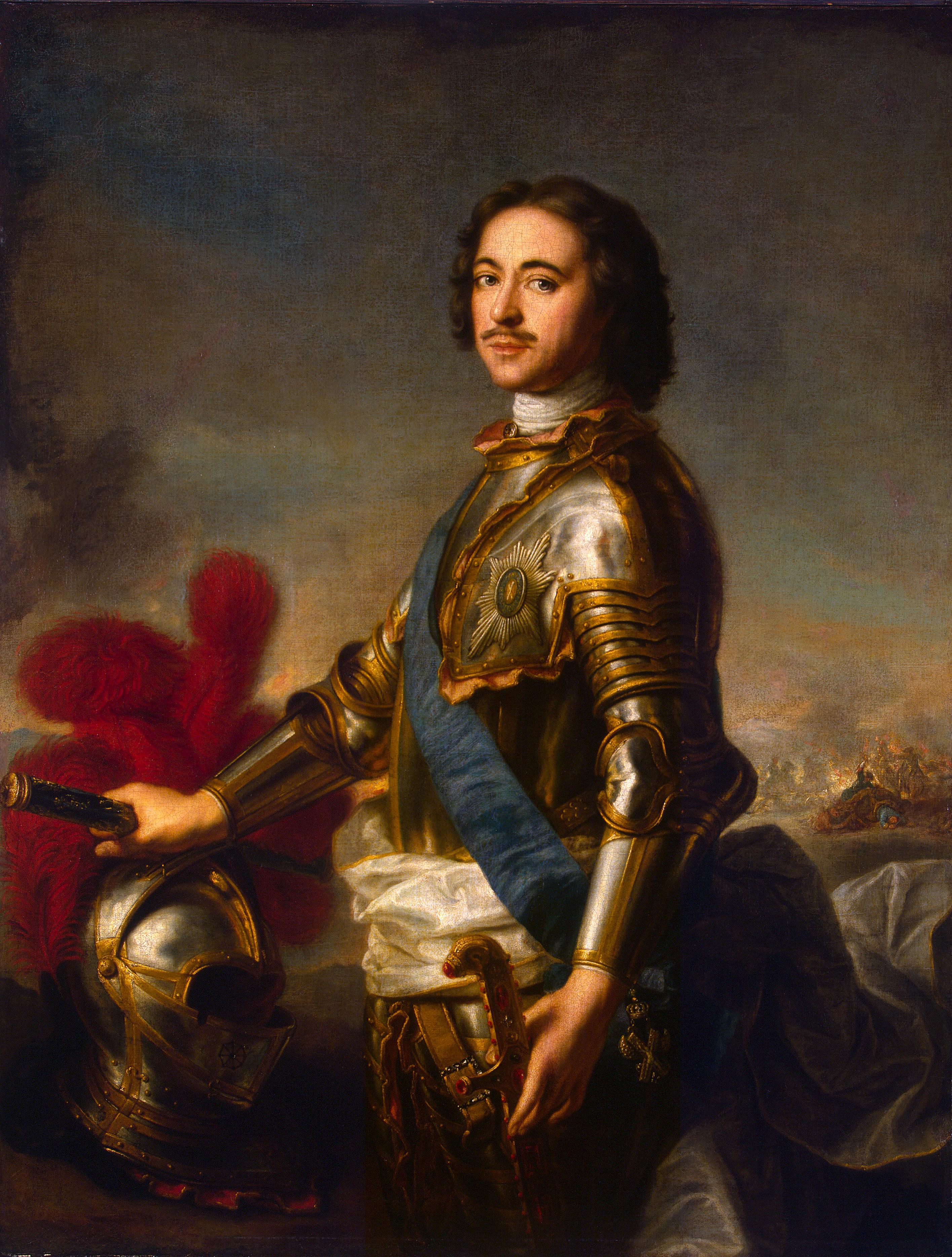
In May, 10-year-old Peter ascended (initially co-ruling with brother Ivan, sister Sophia regent). His 1697-98 incognito European Grand Embassy taught him shipbuilding and industry. Returning, he forced beard-shaving, imported Western administration, military, education, calendar. His 43-year reign pushed Russia from medieval periphery to European great power.
相關主軸:Related axes:歐洲Europe跨文明Cross-Civilization中亞/北亞Central Asia
On May 27, Peter the Great founded a city on Neva delta marshes recently captured from Sweden in the Great Northern War, naming it 'St. Petersburg' for the Apostle Peter. 40,000 serfs filled the swamps over 9 years; thousands died. Capital from 1712 — the physical embodiment of Russia's 'window to the West.'
On October 22, after defeating Sweden in the Great Northern War, the Senate proclaimed Peter 'Imperator' (Emperor), 'Father of the Fatherland,' and 'the Great.' Russia rose from Tsardom to Empire, formally joining the European great powers. The Russian Empire endured until 1917.
On May 7, Mikhail Lomonosov founded Moscow University, Russia's first modern university. Lomonosov was a polymath — chemistry, physics, astronomy, linguistics, poetry. He formulated the law of conservation of mass (17 years before Lavoisier) and predicted the existence of Venus's atmosphere.
On July 9, German-born Catherine staged a coup deposing her husband Peter III, becoming Empress. Her 34-year reign (the longest by a Russian Empress) corresponded with Voltaire, patronized arts, partitioned Poland three times, took Crimea, defeated the Ottomans — adding 500,000 km² to the Empire.
In September, Cossack Yemelyan Pugachev claimed to be the 'true Peter III' and rebelled against Catherine, rallying serfs, Ural workers, Bashkirs, and Tatars to sweep the Volga region for 16 months — threatening Moscow. Beheaded publicly in 1775. The largest peasant rebellion in Russian history.
In June, Napoleon led 600,000 troops across the Niemen into Russia. In September he won Borodino and took Moscow (Russians burned the city). Winter retreat saw cold, starvation, and Cossack attacks destroy his army — only 40,000 of 600,000 returned. Inspired Tchaikovsky's 1812 Overture and Tolstoy's War and Peace.
On December 14, amid succession confusion after Alexander I's death, 3,000 noble young officers staged armed protest in Senate Square, St. Petersburg, demanding constitutional monarchy. Nicholas I suppressed them with cannon — 5 leaders hanged, 100+ exiled to Siberia. Russia's first noble revolt against tsarist autocracy.
相關主軸:Related axes:歐洲Europe法國France中亞/北亞Central Asia
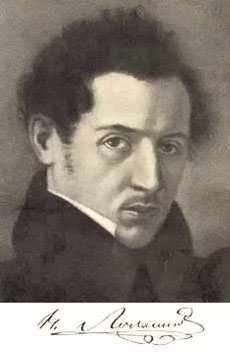
Kazan 大學數學家 Nikolai Lobachevsky 發表雙曲幾何,否定歐幾里得平行公設。挑戰 2000 年幾何學基礎,雖當時被忽視,半世紀後成為 Riemann 幾何與愛因斯坦相對論的數學基礎。
Kazan University mathematician Nikolai Lobachevsky published hyperbolic geometry, rejecting Euclid's parallel postulate. Challenging 2,000 years of geometric foundations, his work was ignored at the time but half a century later became the mathematical basis for Riemannian geometry and Einstein's relativity.
相關主軸:Related axes:歐洲Europe跨文明Cross-Civilization中亞/北亞Central Asia
On March 3, 'Tsar Liberator' Alexander II issued the Emancipation Manifesto. 23 million serfs (a third of the population) gained personal freedom. A pivotal modernization reform — but peasants still owed massive land redemption payments, and unresolved tensions seeded the coming revolutions.
Russian chemist Mendeleev publishes the periodic table, predicting the existence of undiscovered elements — the most important classification system in chemistry.
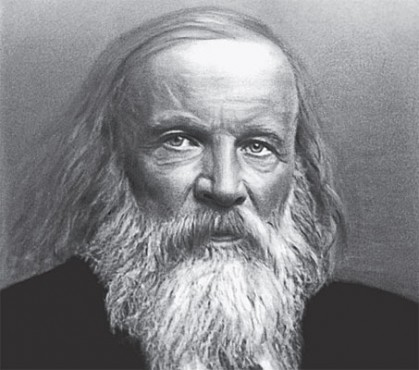
3 月 6 日 Dmitri Mendeleev 在俄羅斯化學學會發表元素週期表。創新處:依原子量排序但留空位給未發現元素並預測其性質。1875 鎵、1879 鈧、1886 鍺被發現完美吻合預測,週期表成現代化學基石。
On March 6, Dmitri Mendeleev presented his Periodic Table to the Russian Chemical Society. The innovation: arranging by atomic weight, leaving gaps for undiscovered elements and predicting their properties. The discoveries of gallium (1875), scandium (1879), and germanium (1886) confirmed his predictions — the foundation of modern chemistry.
聾啞數學教師 Konstantin Tsiolkovsky 發表《探索宇宙空間的反作用力裝置》,建立火箭運動方程式 Δv = ve · ln(m0/m1)。預言液體燃料火箭、太空站、太空電梯。是太空飛行理論奠基人,後世蘇聯太空計畫的精神導師。
Deaf-mute math teacher Konstantin Tsiolkovsky published 'Exploration of Outer Space by Means of Reaction Devices,' establishing the rocket equation Δv = ve · ln(m0/m1). He predicted liquid-fuel rockets, space stations, and space elevators — the founder of astronautics theory and spiritual mentor of the Soviet space program.
圖:Original uploader and author was Dustandshadow at en.wikipedia · Public domain · Wikimedia CommonsImage: Original uploader and author was Dustandshadow at en.wikipedia · Public domain · Wikimedia Commons
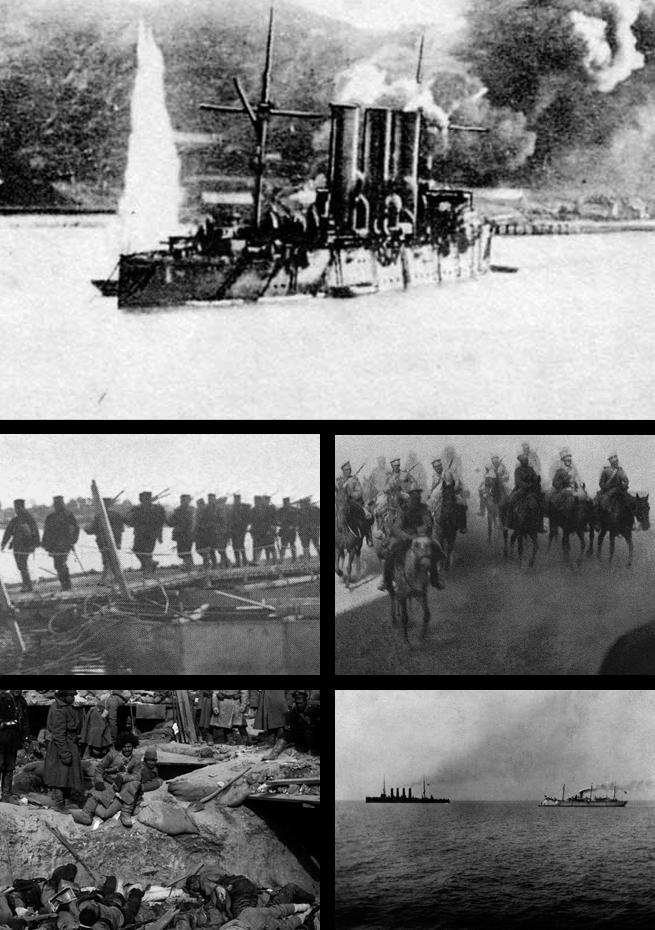
On February 8, Japan launched surprise attack on Russian fleet at Port Arthur. After 19 months of war — including the 1905 Tsushima naval annihilation of Russia's Baltic Fleet and Mukden land defeat — the September Portsmouth Treaty ceded southern Manchuria; Korea went to Japan. The first time an Asian nation defeated a European great power, shaking global racial assumptions.
12 月 Ivan Pavlov 獲諾貝爾生理學或醫學獎,表彰其消化系統研究。但更知名的是他 1890s 開始的「條件反射」實驗:搖鈴餵狗,狗聽鈴即流口水。是行為心理學奠基實驗,影響深遠。
In December, Ivan Pavlov won the Nobel Prize in Physiology/Medicine for digestive system research. More famous, however, were his 1890s 'conditioned reflex' experiments: ringing a bell while feeding dogs led them to salivate at the bell alone — the founding experiment of behavioral psychology.
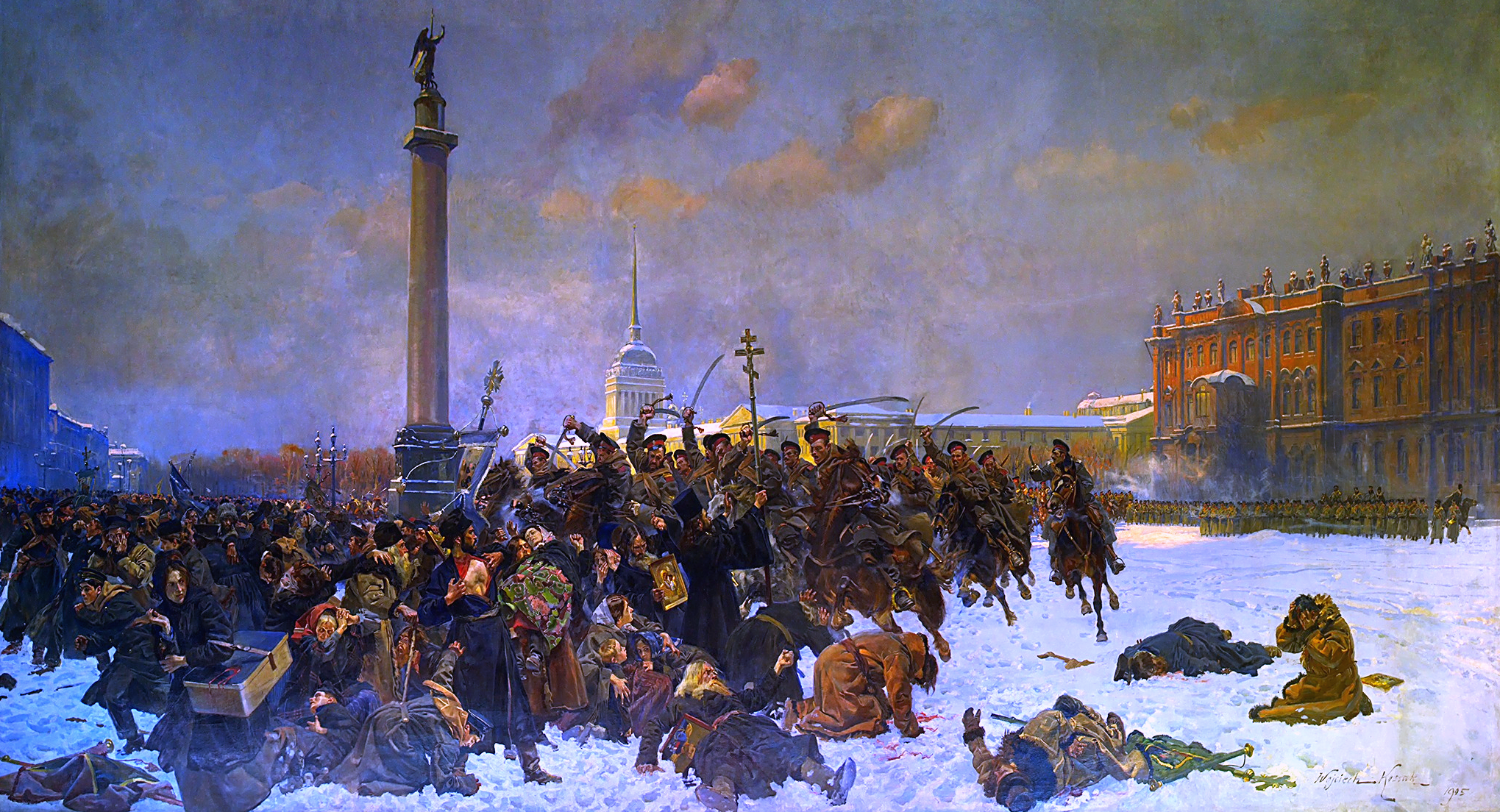
On January 22 (Jan 9 OS), Father Gapon led workers to petition at Winter Palace Square, St. Petersburg — Tsarist guards fired, killing over 100. 'Bloody Sunday' triggered nationwide strikes, riots, and battleship mutinies. The October Manifesto promised a constitution; the first Duma was elected. A dress rehearsal for 1917.
Started in 1891 and completed in 1916, the Trans-Siberian connected Moscow to Vladivostok over 9,289 km — still the world's longest railway. It opened the Far East to Europe, accelerated Siberian colonization and resource extraction, and projected Russian military power east.
In March, worker unrest and military mutiny in Petrograd forced Nicholas II to abdicate, ending the Romanov dynasty and installing a Provisional Government.
In November (October O.S.), Lenin's Bolsheviks overthrew the Provisional Government and established the world's first socialist state. Russia withdrew from WWI, opening the 20th-century communist experiment.
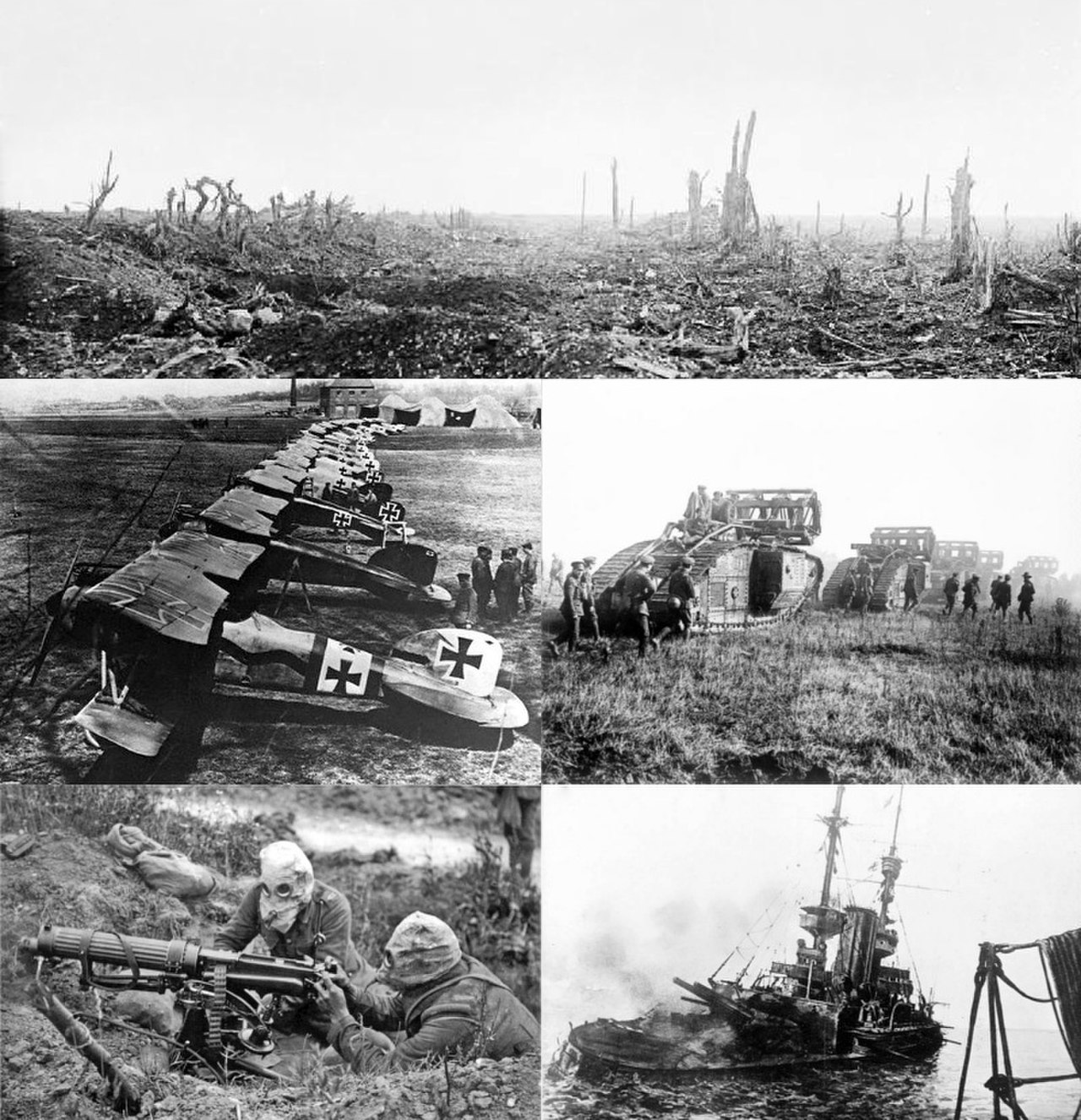
On March 3, Soviet Russia signed a peace with Germany and Austria-Hungary, ceding vast territory (Ukraine, Poland, Finland, the Baltics) to exit WWI. This freed German troops for the Spring Offensive in the West.
From 1918-1922, the Bolshevik Red Army fought the anti-communist Whites and foreign interventions (UK, France, US, Japan, Czech Legion — 14 nations). War, famine, and typhus killed 8-10 million. On July 17, 1918, Tsar Nicholas II's family was executed in Yekaterinburg. The Reds won in 1922.
相關主軸:Related axes:歐洲Europeww1-homeww1-home中亞/北亞Central Asia
On December 30, Russia, Belarus, Ukraine, and Transcaucasia signed the treaty founding the Union of Soviet Socialist Republics (USSR). The first communist state, the world's first federal socialist state — lasting 69 years until 1991 dissolution.
On January 21, Lenin died of stroke. General Secretary Stalin gradually defeated Trotsky, Zinoviev, Kamenev, and Bukharin in power struggles. By 1929 he was de facto dictator; he exiled Trotsky in 1930 and had him assassinated in 1940. Stalin ruled 30 years until death in 1953.
相關主軸:Related axes:歐洲Europe跨文明Cross-Civilization中亞/北亞Central Asia
1929 年 Stalin 強制全國農業集體化,富農(Kulak)被消滅、農業崩潰。1932-33 烏克蘭大饑荒(Holodomor)餓死 350-700 萬人(學界稱蘇聯人為製造)。同期工業化「五年計畫」高速但代價慘重。
In 1929 Stalin forced nationwide agricultural collectivization. Kulaks (rich peasants) were eliminated; agriculture collapsed. The 1932-33 Ukrainian famine 'Holodomor' killed 3.5-7 million (widely considered Soviet-engineered). Concurrent rapid industrialization 'Five-Year Plans' came at horrific cost.
From 1936-38, Stalin launched the Great Purge (Yezhovshchina). Old Bolsheviks, officers, intellectuals, and minorities were accused of treason. Three Moscow Show Trials condemned Bukharin, Zinoviev, and others. The Gulag expanded; an estimated 700,000 were executed in 1937-38, with millions exiled.
相關主軸:Related axes:歐洲Europeww2-homeww2-home中亞/北亞Central Asia
T-34 tank entered serial production in September. Sloped armor (improved protection), wide tracks (mobility in snow), 76.2mm main gun, simple mass-produced design. From 1940-58, 84,000 were built — the most of any tank in history. The Germans called it 'the finest tank of the war.' It turned the tide on the Eastern Front.
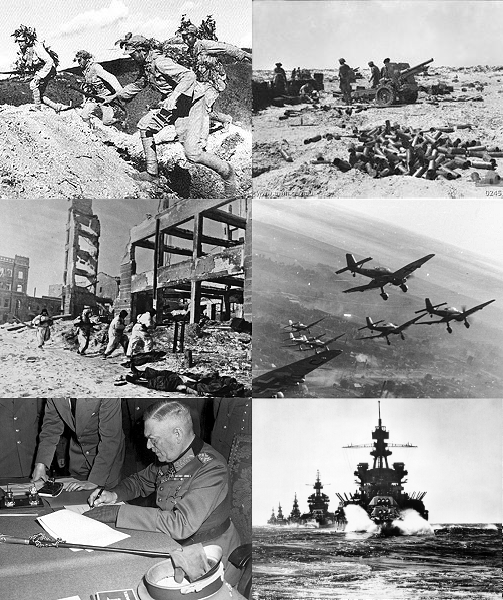
Germany broke the non-aggression pact and invaded the Soviet Union with over 3 million troops, opening the Eastern Front — the largest land invasion in history.
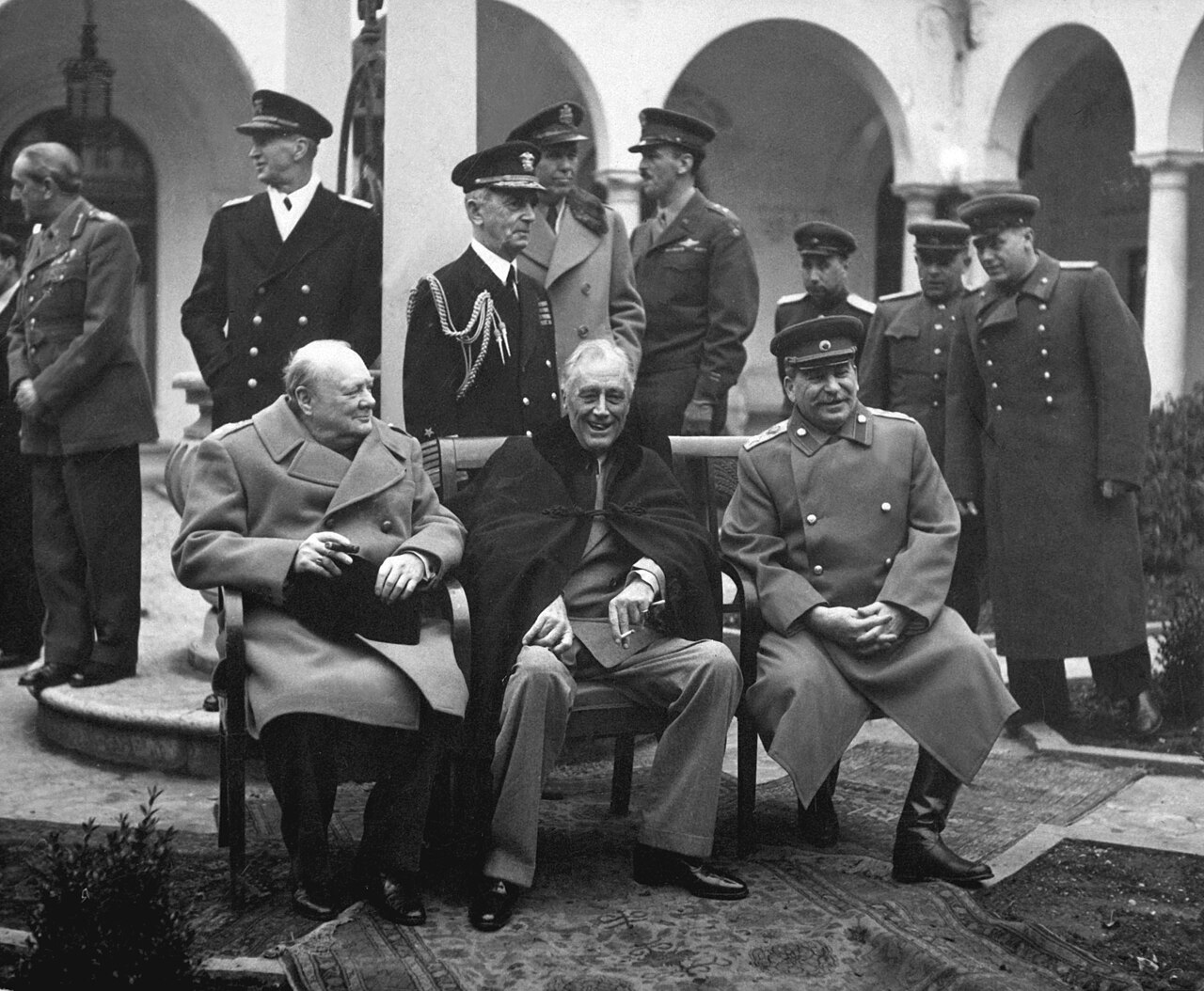
In November, Roosevelt, Churchill, and Stalin met for the first time, agreeing on opening the Western Front, postwar European borders, and Soviet entry into the Pacific war.
In February, Yalta divided postwar Europe and secured Soviet entry against Japan; in July, Potsdam issued the ultimatum to Japan and set up occupation zones — the Cold War's early contours.
On August 9, the USSR declared war per the Yalta accords. 1.5 million Soviet troops overran Manchuria and crushed the Kwantung Army in 11 days. Combined with the atomic bombs, this drove Japan's decision to surrender.
圖:Вестминстерский колледж в штате Миссури, США · Public domain · Wikimedia CommonsImage: Вестминстерский колледж в штате Миссури, США · Public domain · Wikimedia Commons
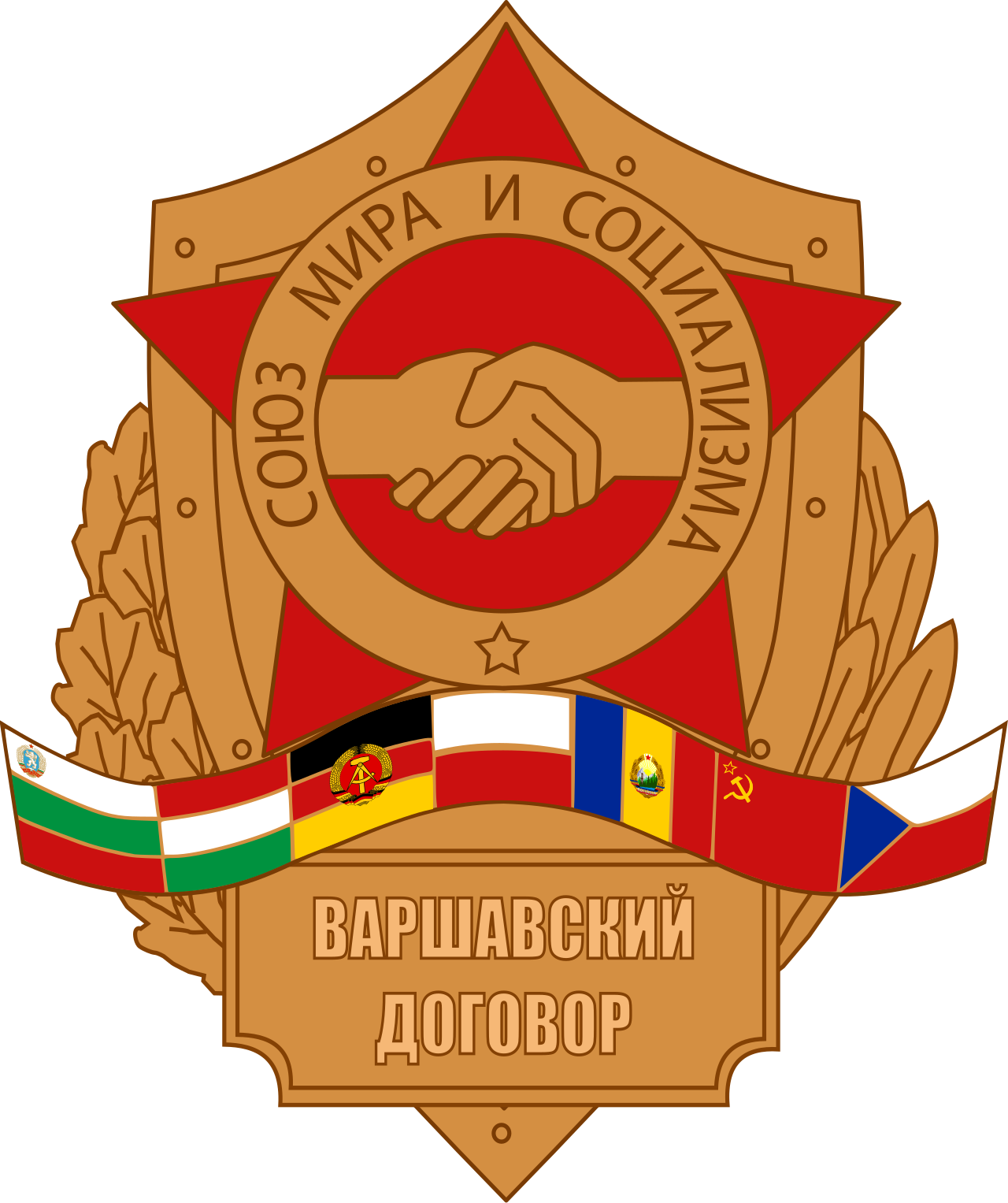
On March 5, Churchill in Fulton, Missouri declared 'an iron curtain has descended across the continent from Stettin to Trieste.' This marked the Cold War's public start. Soviet-controlled Eastern Europe formed the Warsaw Pact opposing NATO; the ideological curtain divided Europe for 45 years.
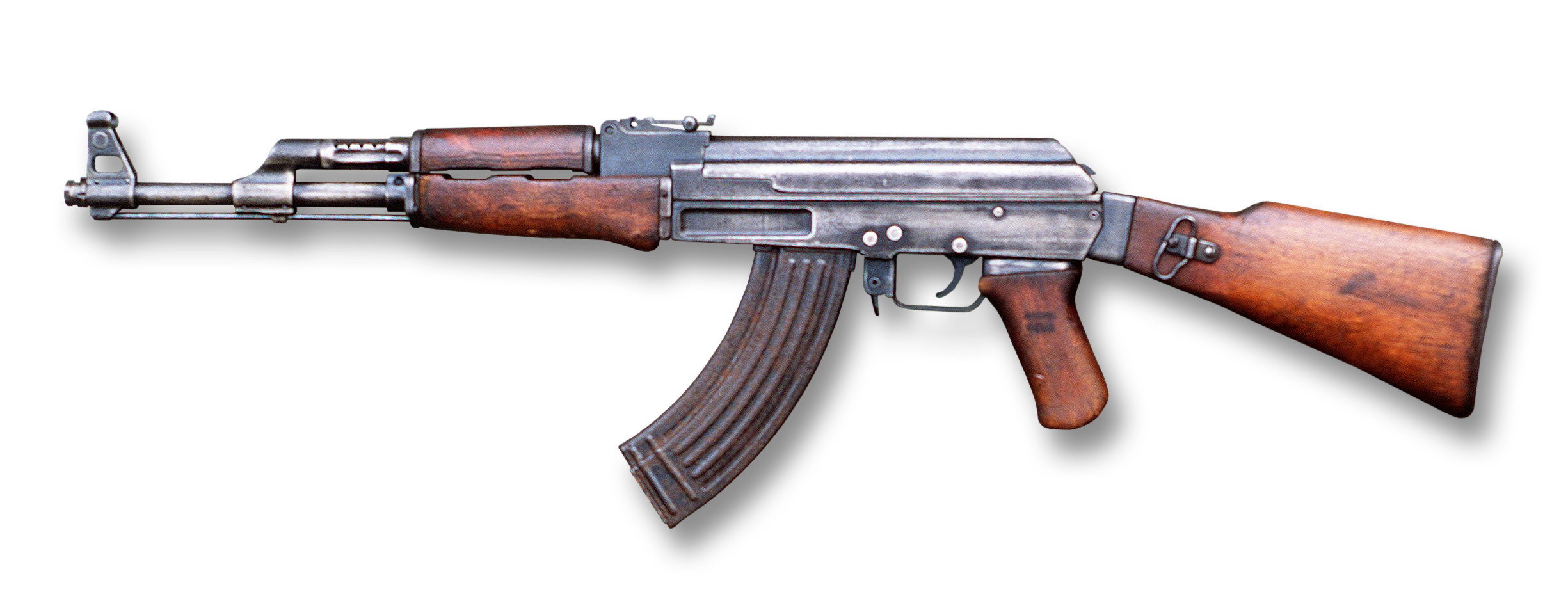
Mikhail Kalashnikov's AK-47 design entered production. Simple, reliable, usable in arctic, desert, and mud — usable even by peasants. Over 100 million produced worldwide (including copies) — the most widespread firearm in history. Appears on the flags of four nations (Mozambique etc.).
相關主軸:Related axes:跨文明Cross-Civilizationww2-homeww2-home中亞/北亞Central Asia
In August, the Soviet party declared Trofim Lysenko's 'Michurinist' school as the only correct biology, denouncing Mendelian genetics as 'bourgeois pseudoscience.' 3,000 geneticists were dismissed, exiled, or executed. Soviet biology fell back 30 years. Lysenko fell from grace in 1964, but the damage was done.
On August 12, the RDS-6s thermonuclear device (400 kt) was tested at Semipalatinsk, Kazakhstan. The USSR became the second H-bomb power, only 9 months after the US. Lead designer Andrei Sakharov later became an anti-nuclear dissident, won the 1975 Nobel Peace Prize, and was exiled to Gorky in 1980.
2 月 25 日蘇共二十大閉幕後,Khrushchev 發表《秘密報告》揭露 Stalin 的「個人崇拜」與大清洗罪行。震動全蘇聯與全球共產陣營。匈牙利、波蘭隨即起義(1956),中蘇關係破裂(1960),蘇聯進入「解凍」(Ottepel)時代。
On February 25, after the 20th Party Congress, Khrushchev's 'Secret Speech' exposed Stalin's 'cult of personality' and Great Purge crimes. Shockwaves through the USSR and global communism: Hungary and Poland rose immediately (1956), Sino-Soviet split followed (1960). The 'Thaw' (Ottepel) era began.
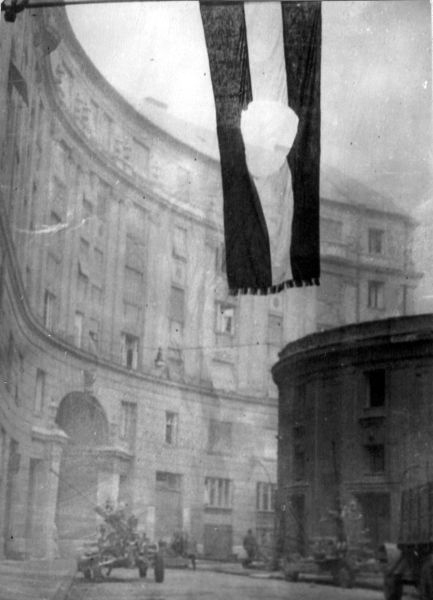
The Oct 23, 1956 Hungarian uprising shocked the Eastern Bloc; after Nagy announced withdrawal from the Warsaw Pact, Soviet tanks crushed it on Nov 4, killing 2,500.
On August 21, Korolev's R-7 successfully launched from Baikonur — the world's first intercontinental ballistic missile. Range 8,800 km, capable of delivering thermonuclear warheads to the US mainland. In October, the same rocket type launched Sputnik. The Cold War strategic balance fundamentally shifted.
10 月 4 日 R-7 火箭從 Baikonur 將 Sputnik 1(直徑 58 cm 鋁球)送入軌道。每 96 分鐘繞地球一圈,發送 21 天嗶嗶聲。震驚全美「Sputnik 危機」促成 NASA 成立(1958)、教育改革、太空競賽開始。
On October 4, the R-7 rocket from Baikonur launched Sputnik 1 (a 58-cm aluminum ball) into orbit. It circled Earth every 96 minutes, transmitting beeps for 21 days. The 'Sputnik crisis' shocked America, triggering NASA's founding (1958), education reform, and the Space Race.
相關主軸:Related axes:宇宙Cosmos冷戰·初期Cold War · Early (1947-1962)跨文明Cross-Civilization
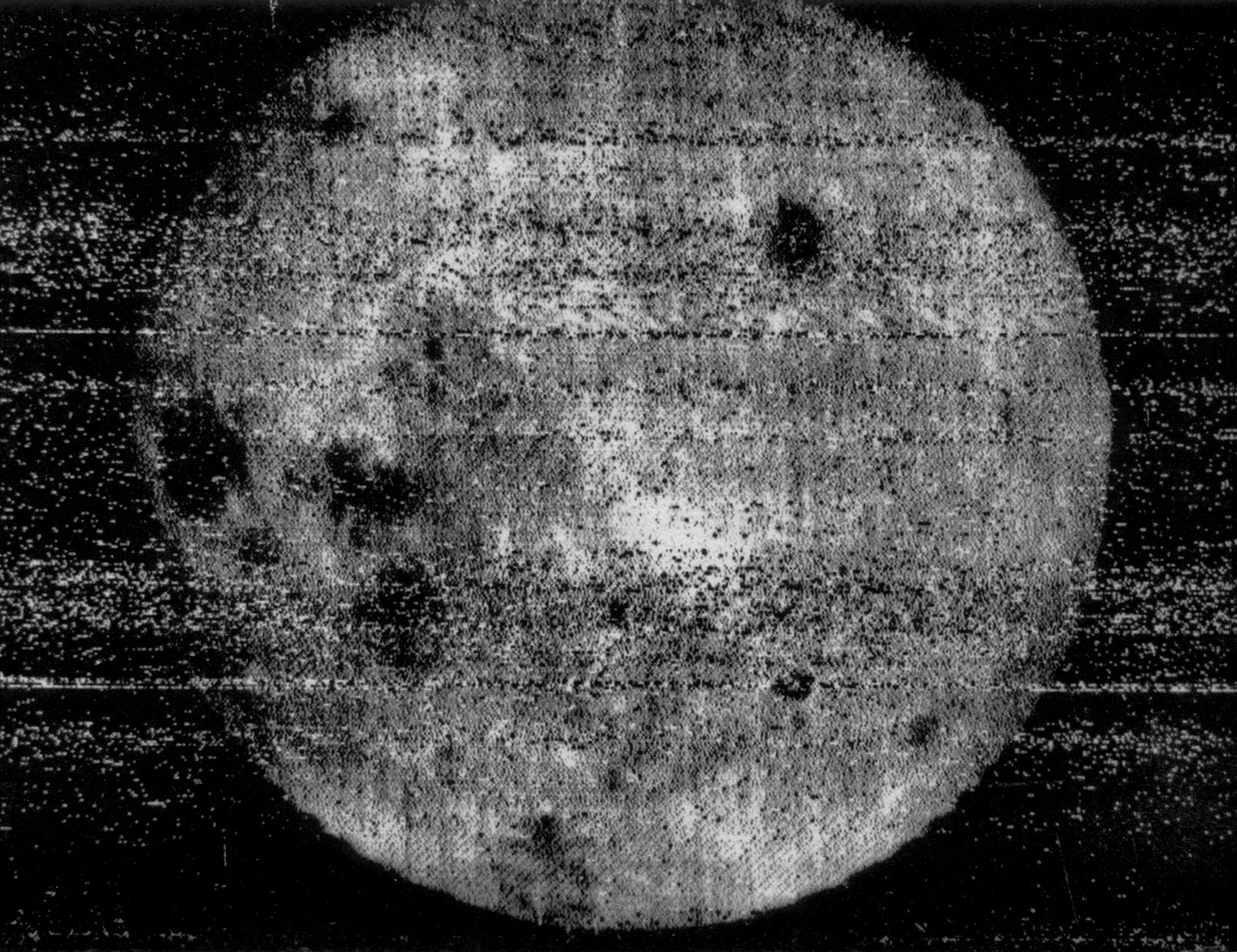
On October 4-7 (the second anniversary of Sputnik), Luna 3 flew past the Moon and took the first-ever photographs of the lunar far side — the half humanity had never seen. 29 grainy but historic images. Lunar far-side features now bear Soviet scientists' names: Lomonosov, Mendeleev, Tsiolkovsky craters.
On April 12, 27-year-old Soviet Air Force lieutenant Yuri Gagarin launched aboard Vostok 1, orbiting Earth in 108 minutes. His 'Поехали!' (Let's go!) became iconic. The first human spaceflight — another Soviet Space Race victory; Gagarin became a global icon.
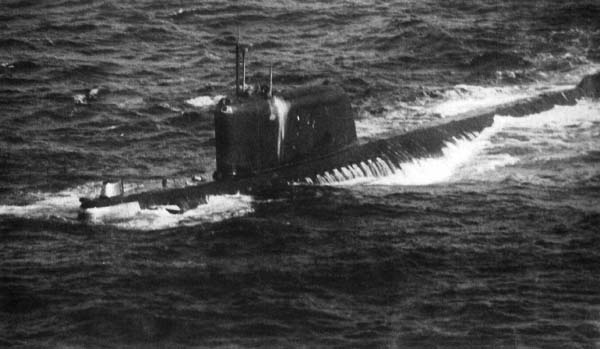
7 月 4 日蘇聯首艘戰略核潛艇 K-19 在北大西洋演習,反應爐冷卻系統故障。8 名艇員自願進入輻射區搶修,全數於數週內死亡。輻射污染艇身永久。電影《K-19: The Widowmaker》(2002)原型。
On July 4, the USSR's first strategic nuclear submarine K-19 suffered reactor coolant failure during North Atlantic exercises. 8 crew members volunteered to enter the radiation zone for repairs — all died within weeks. Radiation contaminated the boat permanently. Inspired the 2002 film 'K-19: The Widowmaker.'
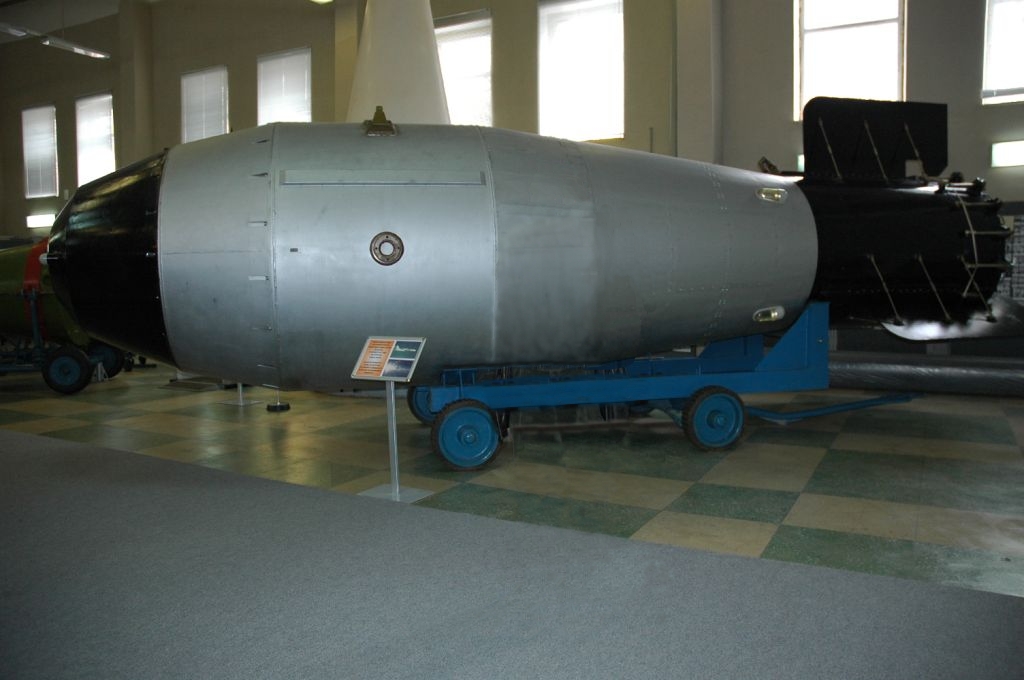
On October 30, the USSR tested Tsar Bomba (AN602) thermonuclear device at Novaya Zemlya — yield 50 megatons TNT (~1,500x Hiroshima). The mushroom cloud reached 64 km; the shockwave circled Earth three times; the flash was visible 1,000 km away. The largest single explosion in history.
From October 16-28 (13 days), the US discovered Soviet R-12 missiles in Cuba via U-2. America blockaded; the world reached DEFCON 2. Khrushchev and Kennedy secretly traded: Soviets withdrew from Cuba; US withdrew missiles from Turkey. Humanity's closest brush with full nuclear war.
相關主軸:Related axes:跨文明Cross-Civilization美洲Americas冷戰·初期Cold War · Early (1947-1962)
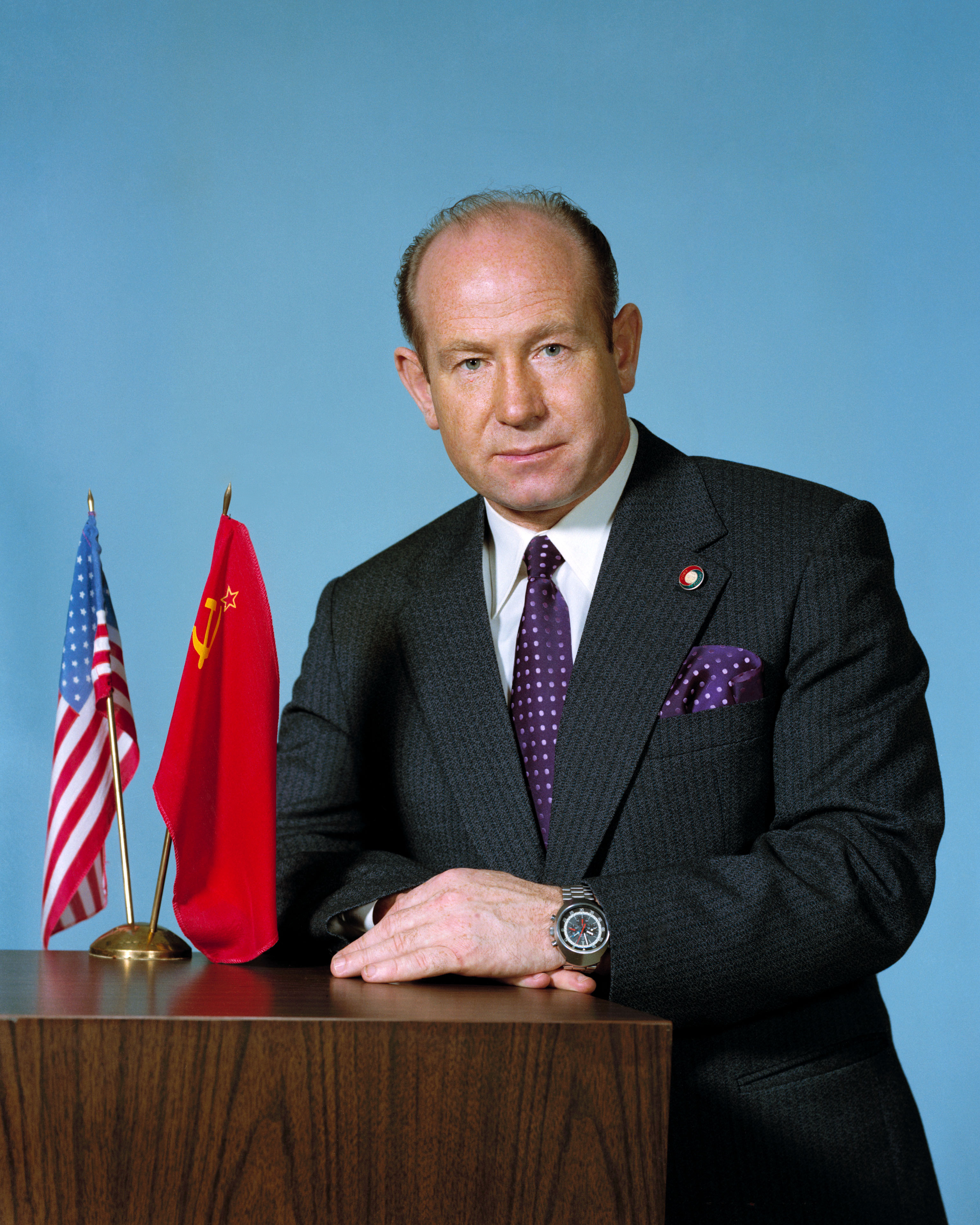
圖:This image or video was catalogued by Lyndon B. Johnson Space Center of the Unit · Public domain · Wikimedia CommonsImage: This image or video was catalogued by Lyndon B. Johnson Space Center of the Unit · Public domain · Wikimedia Commons
On March 18, Alexei Leonov stepped out of Voskhod 2 — humanity's first spacewalk (EVA), lasting 12 minutes 9 seconds. His suit ballooned dangerously; only an emergency pressure release allowed him to squeeze back in. Another Soviet Space Race triumph.
On April 23, Soyuz 1 first flew (though it crashed killing its cosmonaut), launching the 60-year Soyuz program continuing today. 150+ flights, the most reliable crewed spacecraft in history. Apollo-Soyuz docking 1975, primary transport for Mir and ISS. The backbone of Soviet/Russian human spaceflight.
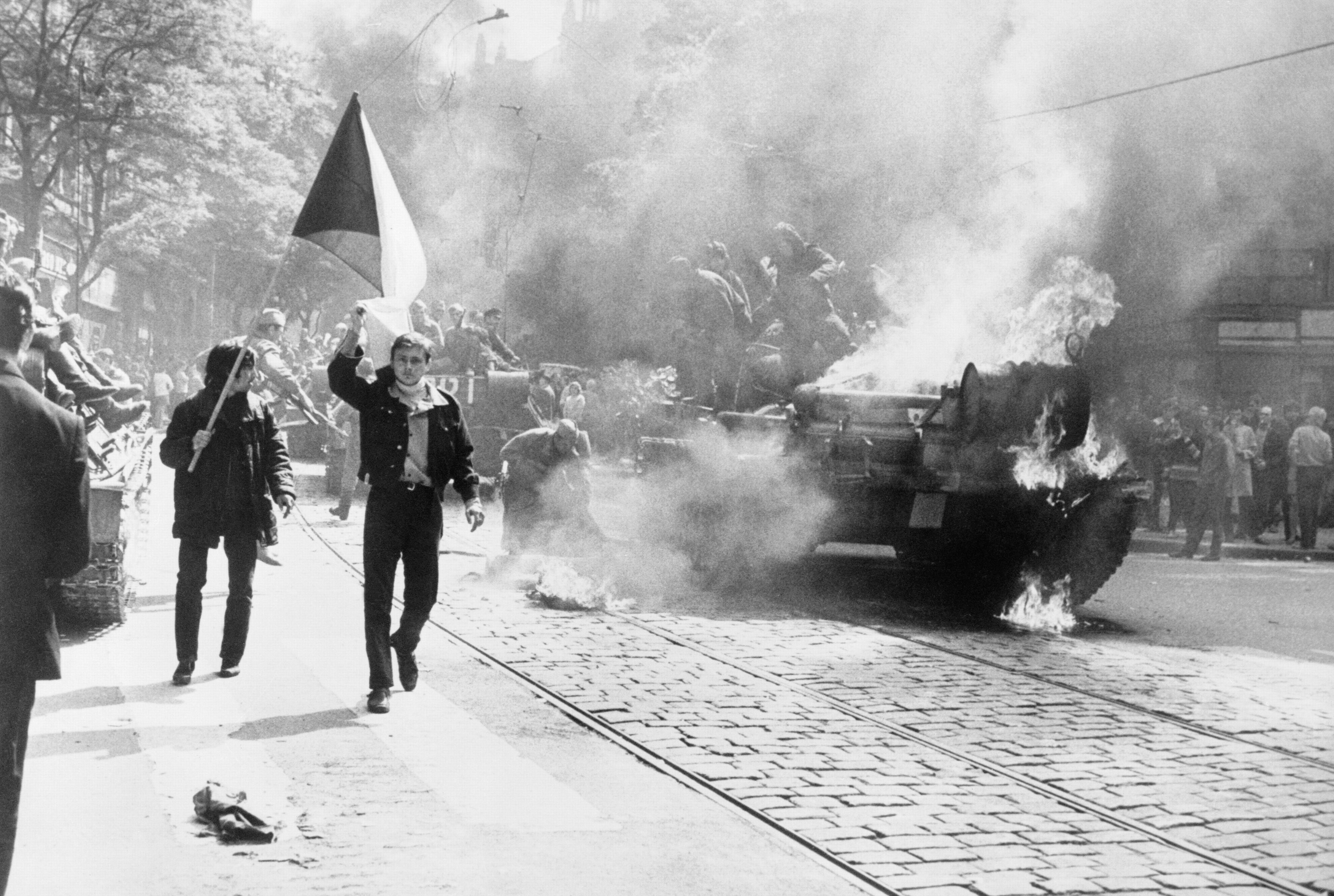
On August 20-21, 500,000 Warsaw Pact troops from 5 countries invaded Czechoslovakia, crushing Dubček's 'socialism with a human face' reforms. The 'Prague Spring' ended. The Brezhnev Doctrine (limited sovereignty for socialist states) was articulated. A major setback for communist reformers.
相關主軸:Related axes:歐洲Europe冷戰·緩和期Cold War · Détente (1963-1979)跨文明Cross-Civilization
On December 31, the Soviet Tupolev Tu-144 first flew — two months before Britain-France's Concorde. The world's first supersonic airliner: 140 passengers, Mach 2.15 (2,200 km/h). But after a 1973 Paris Air Show crash and a 1978 fatal accident, service was curtailed. NASA used a Tu-144 for research as late as 1999.
On December 15, Venera 7 made the first-ever soft landing on another planet, transmitting data from Venus's surface for 23 minutes. It confirmed surface temperature of 475°C and pressure of 90 atmospheres. The USSR led the US substantially in Venus exploration.
On April 19, Salyut 1 launched — the first space station in history. It could host 3 people for 23 days. Soyuz 11 cosmonauts completed the first space station mission but died of asphyxiation when a valve failed during return. The Salyut program eventually built 7 stations through 1986, leading to Mir.
On December 24, Soviet forces invaded Afghanistan to install a puppet regime. The 10-year war (1979-1989) drained resources, killed 15,000 Soviet troops; the CIA and Saudis covertly armed the mujahideen (including a young bin Laden). Seen as the Soviet Vietnam, it accelerated USSR's economic collapse.
相關主軸:Related axes:中東Middle East中亞/北亞Central Asia冷戰·終結期Cold War · Late (1980-1991)
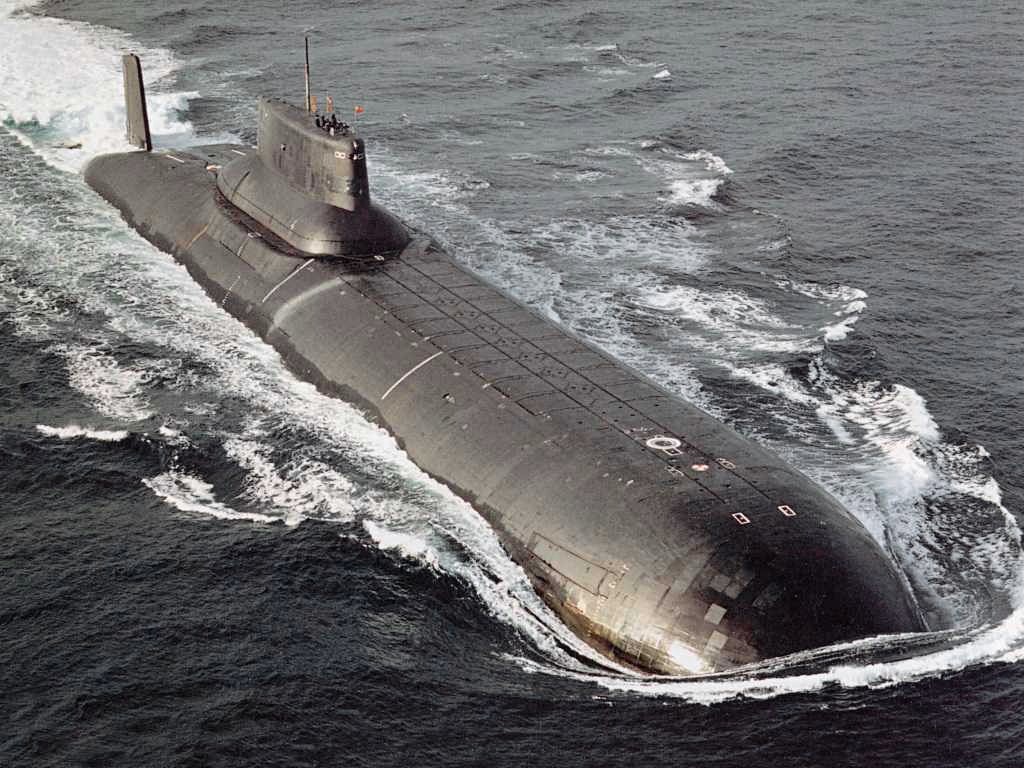
In December, the first Typhoon-class (Project 941 Akula) entered service. 175 m long, 48,000 tons surfaced — the largest submarine in history. Double-hulled titanium construction, capable of launching 20 R-39 SLBMs (each with 10 warheads) from under Arctic ice. Inspiration for 'The Hunt for Red October.'
6 月蘇聯科學院 Alexey Pajitnov 在工作之餘設計 Tetris 益智遊戲(俄文 тетрамино + теннис)。蘇聯版權歸國家,1989 任天堂與美國 Bullet-Proof Software 取得版權,與 Game Boy 綁售大爆。全球累計售逾 5 億套,史上最暢銷電玩。
In June, Alexey Pajitnov of the Soviet Academy of Sciences designed Tetris in his spare time (the name combines 'tetra' and 'tennis'). The Soviet copyright belonged to the state; in 1989 Nintendo and US Bullet-Proof Software acquired rights and bundled it with Game Boy — a smash hit. Over 500 million copies sold worldwide — the best-selling video game in history.
圖:RIAN_archive_850809_General_Secretary_of_the_CPSU_CC_M._Gorbachev.jpg: Vladimir · CC BY-SA 3.0 · Wikimedia CommonsImage: RIAN_archive_850809_General_Secretary_of_the_CPSU_CC_M._Gorbachev.jpg: Vladimir · CC BY-SA 3.0 · Wikimedia Commons
On March 11, 54-year-old Gorbachev became Soviet General Secretary. He launched 'perestroika' (restructuring), 'glasnost' (openness), and 'new thinking' foreign policy. Intended to save the USSR, his reforms accelerated its collapse. 1990 Nobel Peace Prize; resigned at the 1991 dissolution.
相關主軸:Related axes:歐洲Europe冷戰·終結期Cold War · Late (1980-1991)跨文明Cross-Civilization
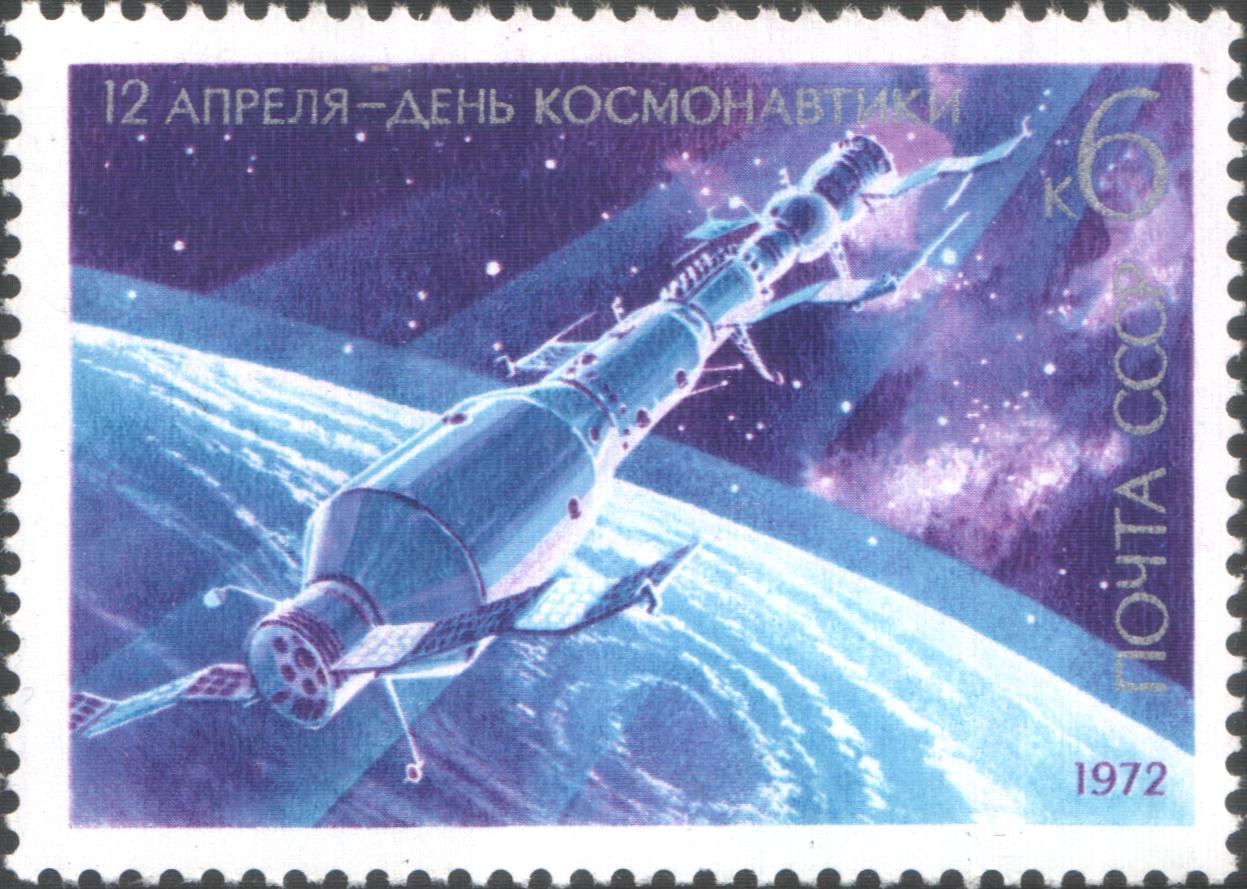
On February 19, the core module of Mir launched — the first continuously inhabited space station in history. In orbit for 15 years (1986-2001), cosmonaut Polyakov set the still-unbroken record of 437 continuous days. From 1995, US Space Shuttles docked with Mir — a model of post-Cold War cooperation.
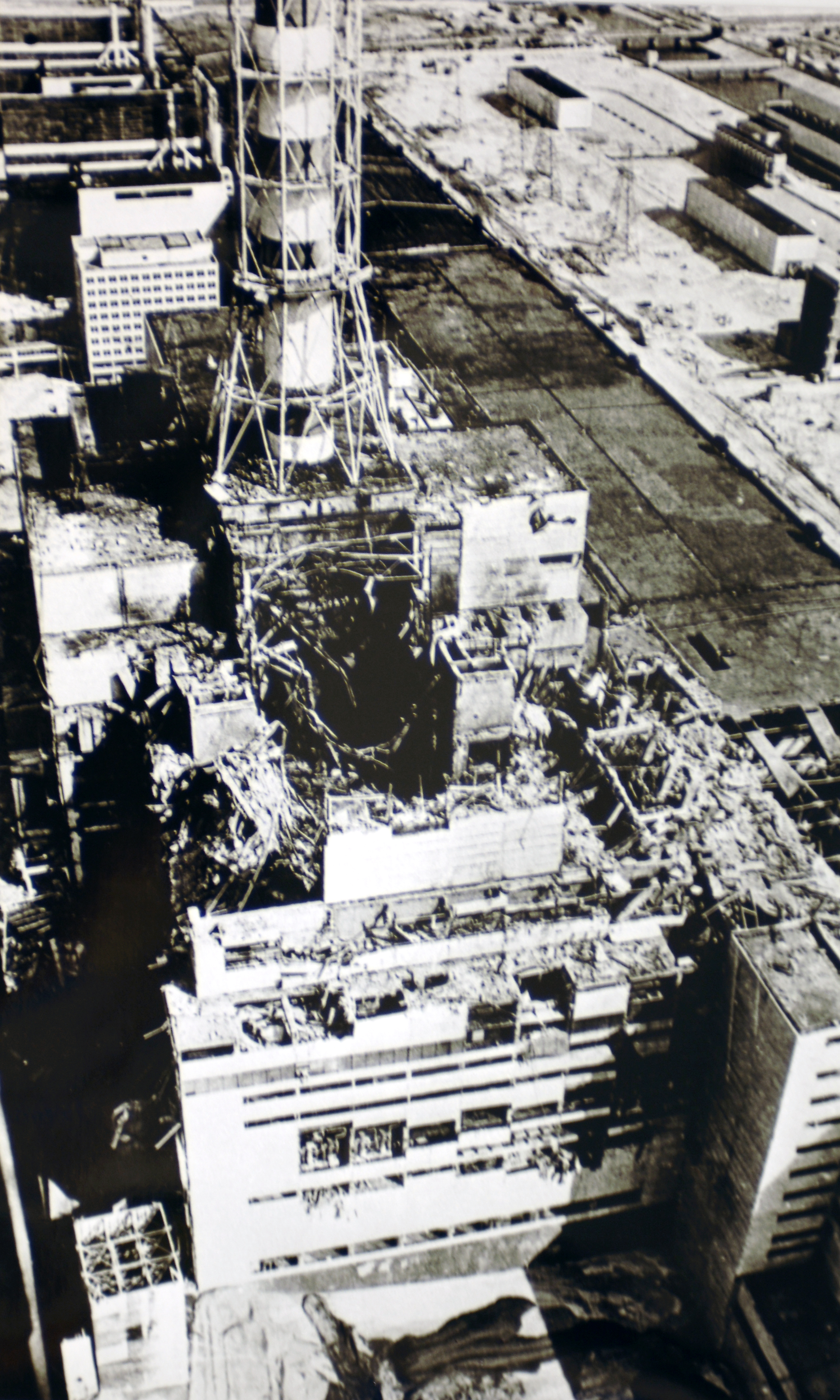
On April 26, Reactor 4 at Chernobyl Nuclear Plant in Ukraine exploded. Radiation clouds spread across Europe. 31 died immediately; tens of thousands later from cancer. The Soviet cover-up early on shattered government credibility, accelerating Glasnost and the USSR's collapse.
相關主軸:Related axes:歐洲Europe地球Earth冷戰·終結期Cold War · Late (1980-1991)
On Dec 8, 1987, Reagan and Gorbachev signed the Intermediate-Range Nuclear Forces Treaty—the first to eliminate an entire class of nuclear weapons (500-5500 km).
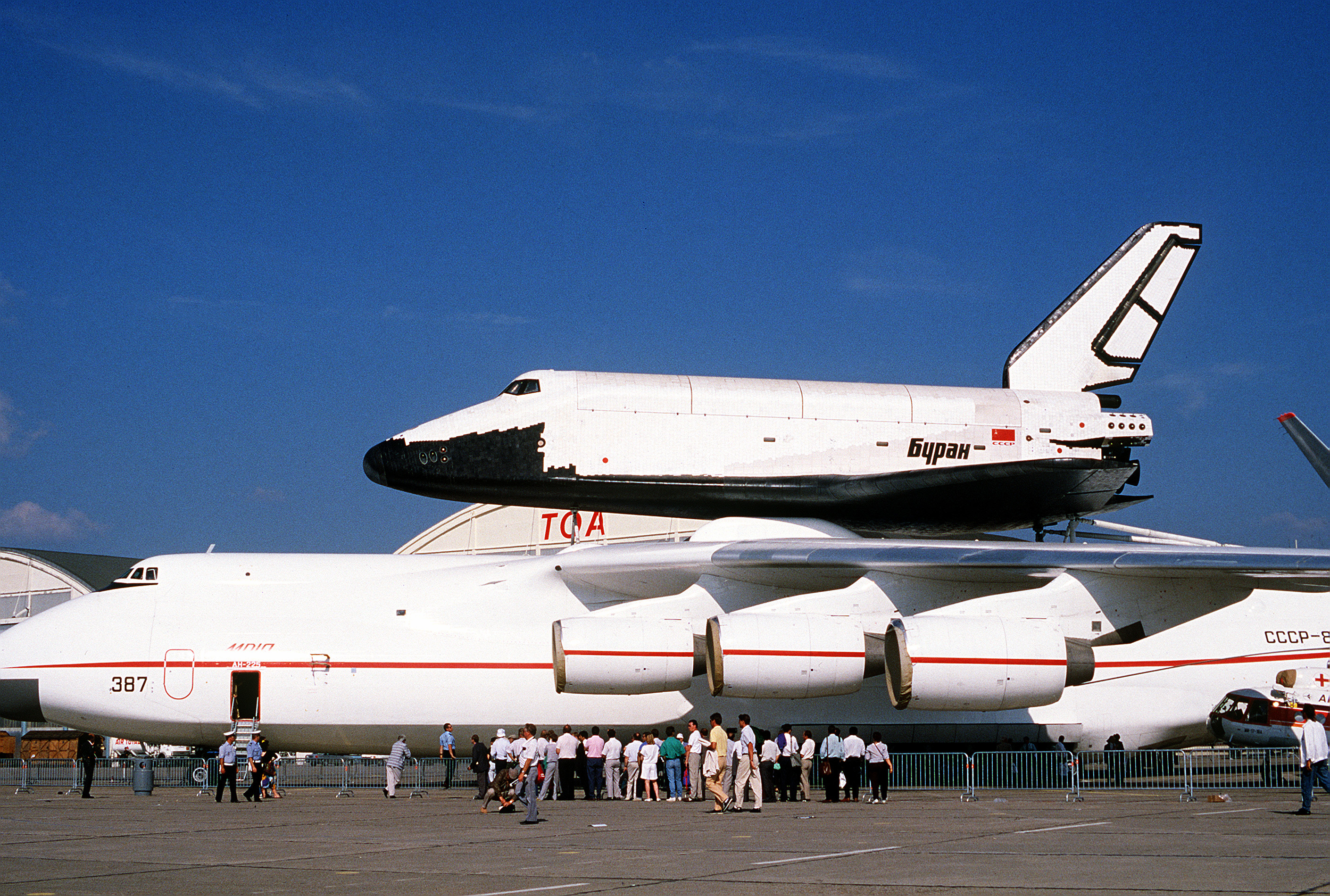
On November 15, the Soviet Buran (Snowstorm) shuttle launched on the Energia rocket. After 206 minutes of unmanned orbital flight, it autolanded at Baikonur with perfect precision — more advanced than the US Shuttle (fully automated). But the program was canceled after the 1991 collapse — Buran's only flight. The hangar collapsed in 2002, destroying it.
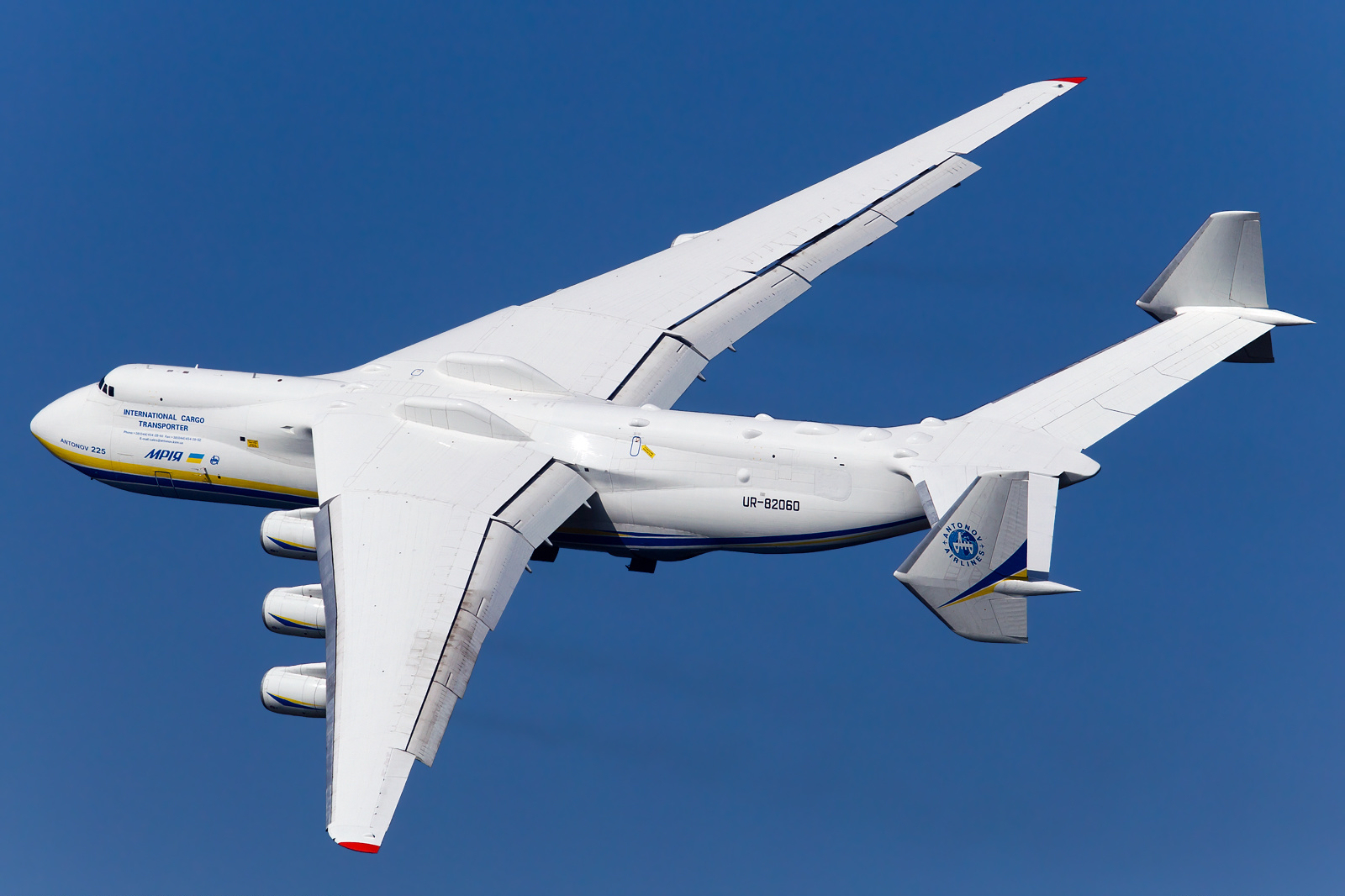
On December 21, the Soviet Antonov Design Bureau's An-225 'Mriya' (Dream) first flew. Wingspan 88 m, max takeoff weight 640 tons, 6 engines — designed to transport the Buran shuttle. The largest aircraft ever built. Destroyed at Hostomel Airport during the 2022 Russian invasion of Ukraine.
On Nov 9, 1989, an East German spokesperson mistakenly announced immediate travel liberalization; crowds rushed the Wall unopposed—the century's defining moment.
On December 25, Gorbachev resigned as Soviet President; the red flag came down from the Kremlin, dissolving the USSR. 15 republics gained independence; Yeltsin led the Russian Federation. The Cold War ended, the Eastern Bloc collapsed, and America became the sole superpower.
相關主軸:Related axes:歐洲Europe跨文明Cross-Civilization冷戰·終結期Cold War · Late (1980-1991)
3 月 26 日 KGB 出身的普京當選俄羅斯總統(葉爾欽 1999 年底辭職指定他接班)。終結 1990s 動盪、重整國家權威、能源出口復興經濟,但壓制媒體、打擊寡頭、強化威權,俄羅斯「主權民主」轉向開始。
On March 26, KGB-trained Putin won the Russian presidency (Yeltsin had resigned and named him heir at end of 1999). He ended 1990s chaos, restored state authority, and revived the economy through energy exports — but suppressed media, attacked oligarchs, and strengthened authoritarianism, beginning Russia's turn to 'sovereign democracy.'
相關主軸:Related axes:歐洲Europe跨文明Cross-Civilization中亞/北亞Central Asia
On February 24, Putin launched the 'special military operation' — full-scale invasion of Ukraine. A continuation of the 2014 Crimea/Donbas conflicts. Europe's largest war since WW2, sparking global energy and food crises. The West imposed unprecedented sanctions; Russia was expelled from many international institutions.
相關主軸:Related axes:歐洲Europe跨文明Cross-Civilization中亞/北亞Central Asia